Boutique hotels thrive on creating unique, memorable experiences that set them apart from chain hotels. Every design element, from the lobby to the guest rooms, contributes to the overall ambiance. Among these elements, curtains play a surprisingly pivotal role. They are not just window coverings; they are tools for controlling light, sound, privacy, and atmosphere. This comprehensive guide explores hotel curtain solutions specifically for boutique hotels, covering fabric choices, design considerations, practical tips, and industry insights to help you make informed decisions.
Why Curtains Matter in Boutique Hotels
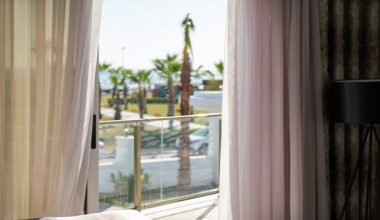
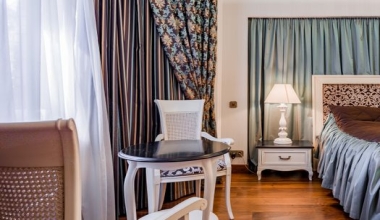
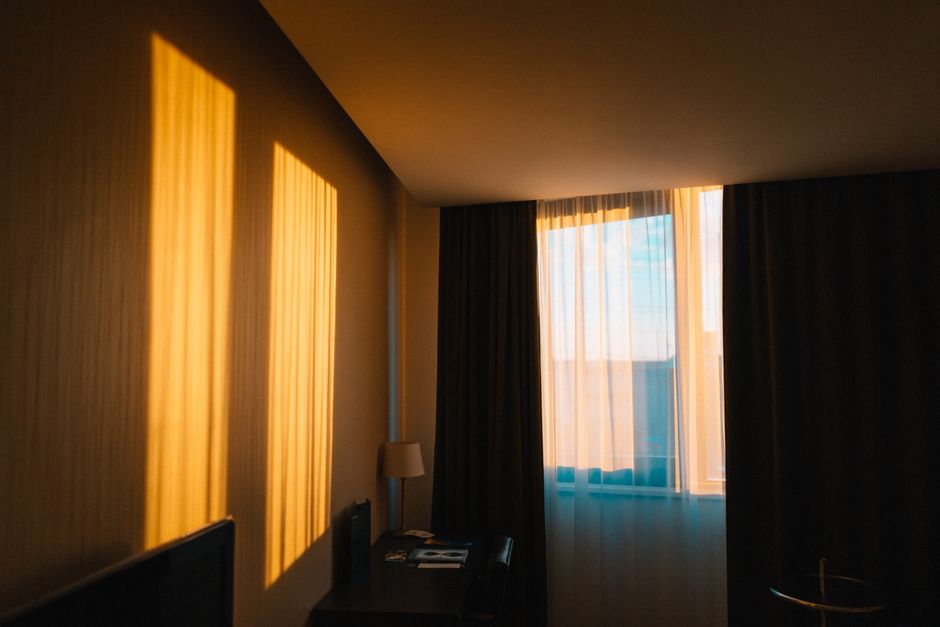
In boutique hotels, curtains are often the first thing guests notice when entering a room. They set the tone for the space—whether it's cozy, luxurious, airy, or dramatic. Beyond aesthetics, curtains serve functional purposes: blackout curtains ensure a good night's sleep, sheer curtains diffuse harsh sunlight while maintaining privacy, and acoustic curtains dampen noise from busy streets. For boutique hotels, where every square foot is designed to impress, choosing the right curtains can enhance guest satisfaction, justify premium pricing, and reduce energy costs.
___PROTECTED_1___
Key Considerations for Boutique Hotel Curtains
Fabric Selection
Fabric is the most critical decision. Boutique hotels often use a combination of fabrics to achieve both style and function. Common choices include blackout, sheer, velvet, and acoustic curtains. Each serves a unique purpose:
- Blackout fabrics block 100% of light, ideal for bedrooms.
- Sheer fabrics allow soft light while offering daytime privacy.
- Velvet fabrics add luxury and warmth, excellent for common areas.
- Acoustic fabrics reduce sound transmission, perfect for rooms near elevators or streets.
Color and Design Alignment with Brand
The curtains should complement the hotel's brand identity. For a minimalist Scandinavian boutique, neutral palette and clean lines work. For a bohemian-style hotel, bold patterns and textures may be appropriate. Consider also the local environment—seaside hotels might favor light, airy curtains, while mountain retreats may use heavy, cozy fabrics.
Functionality and Motorization
Motorized curtains are a popular upgrade in boutique hotels. They offer convenience, reduce wear and tear, and can be integrated with smart room controls. For example, guests can lower blackout curtains with a bedside tablet or via voice commands. Manual curtains are budget-friendly but require more maintenance.
___PROTECTED_2___
Types of Curtain Fabrics for Boutique Hotels
Blackout Curtain Fabrics
Blackout curtains are essential in guest rooms to ensure undisturbed sleep. They are typically made from densely woven polyester or cotton blends with a special coating or interlining. Many luxury options use triple-weave technology for light blockage without backing. For boutique hotels, consider blackout curtains with thermal insulation to improve energy efficiency.
Sheer Curtain Fabrics
Sheers are lightweight, translucent fabrics like linen, cotton, or polyester. They soften daylight while providing privacy when layered with blackout curtains. In boutique hotels, sheers add an elegant, ethereal feel. Choose high-quality sheers with a nice drape to avoid a cheap look.
Velvet Curtain Fabrics
Velvet is synonymous with luxury. Its rich texture and deep color saturation make it ideal for hotel lobbies, restaurants, or suites. Velvet curtains have excellent sound-absorbing properties and provide a degree of insulation. However, they can be heavy and require sturdy hardware. For boutique hotels, use velvet in featured areas to create a focal point.
Acoustic Curtain Fabrics
Acoustic curtains are designed to absorb sound using dense, multi-layer constructions. They are often made of thick velvet or specialized materials like felt. In boutique hotels, they are particularly useful for conference rooms, recording studios, or rooms near noise sources. While not as common in standard guest rooms, they can be a unique selling point.
Practical Tips for Installing Curtains in Boutique Hotels
- Measure accurately: Allow curtains to extend 6-12 inches beyond the window frame on each side to prevent light leaks.
- Install near the ceiling: Mount rods close to the ceiling to make rooms appear taller and more spacious.
- Use proper hardware: Boutique hotels often use decorative rods or tracks. Ensure they can support the weight of heavy fabrics.
- Layer curtains: Combining a sheer layer with a blackout layer provides flexibility. Motorize at least one layer for convenience.
- Consider blackout lining: Even velvet curtains can be made blackout with a lining. This is cost-effective and maintains the fabric's aesthetics.
Buying Guide: What to Look for in Hotel Curtains
When purchasing curtains for boutique hotels, consider these factors:
| Factor | Details |
|---|---|
| Fabric quality | High thread count, colorfastness, fire-retardant |
| Light control | Specify blackout percentage (e.g., 100%) |
| Noise reduction | Check sound absorption coefficient (NRC) |
| Fire safety | Must meet local fire codes (e.g., NFPA 701) |
| Maintenance | Dry clean vs. machine wash; wrinkle resistance |
| Lead time | Custom curtains may take 4-8 weeks |
| Warranty | Look for at least 3-5 years |
Care and Maintenance Tips
Proper care extends curtain life. For boutique hotels, professional cleaning every 6-12 months is recommended. Vacuum curtains with a brush attachment regularly to remove dust. Avoid exposure to direct sunlight for long periods to prevent fading. For motorized systems, schedule annual maintenance to check motors and tracks.
Industry Application Cases
The Artsy Urban Boutique in London used multi-layered curtains: blackout with a sheer overlay. They chose a bold floral pattern for the sheers to match their vibrant brand, while the blackout layer was neutral. Mountain Lodge Retreat in Colorado installed acoustic velvet curtains in their lobby to reduce echoing from the stone floors. Coastal Inn in Florida opted for light-filtering sheers in rooms and blackout linen curtains in suites, aligning with their airy, natural theme.
Conclusion
Boutique hotel curtains are a powerful design tool that affects guest comfort and brand perception. By carefully selecting fabrics—whether blackout, sheer, velvet, or acoustic—and considering functionality, installation, and maintenance, hoteliers can create inviting, efficient spaces. Use this guide to elevate your boutique hotel's window treatments and leave a lasting impression on your guests.