Why Do Blackout Curtains Fade?
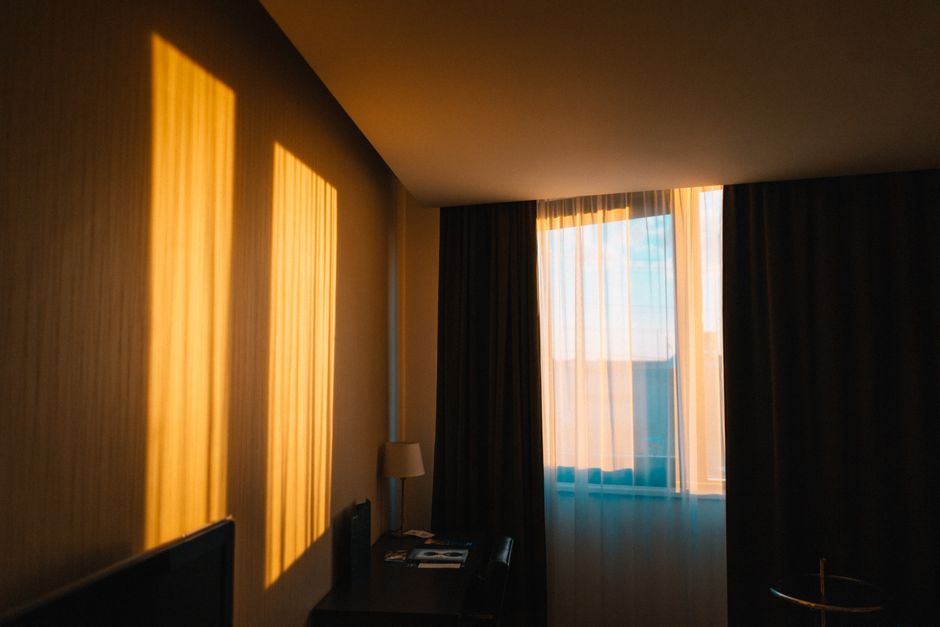
Blackout curtains are designed to block light and provide privacy, but like any fabric, they are susceptible to fading over time. The primary culprit is prolonged exposure to sunlight, especially UV rays, which break down the dyes and fibers. Other factors include improper washing (using bleach or harsh detergents), poor fabric quality, and environmental pollutants. Understanding why fading occurs helps you choose the right restoration method.
___PROTECTED_1___
Assessing the Damage: Light vs. Severe Fading
Before attempting any fix, evaluate the extent of fading. Light fading appears as a slight color shift or dullness, often uniform across the curtain. This is typically reversible. Severe fading shows patchiness, fraying, or fiber degradation; in such cases, restoration may not be cost-effective. Hold the curtain up to sunlight and check for thinning areas or weakened seams.
___PROTECTED_2___
Effective Solutions to Fix Faded Blackout Curtains
1. Dyeing the Curtains
Dyeing is a popular method to restore color, especially for solid-colored blackout curtains. However, blackout fabrics often have a coated backing (e.g., acrylic or polyurethane foam) that may not absorb dye evenly. Use a fiber-reactive dye for cotton/polyester blends, or a synthetic dye for polyester-rich curtains.
Step-by-Step Guide:
- Wash curtains thoroughly to remove dust and oils.
- Choose a dye color close to the original (going darker is easier).
- Follow dye instructions precisely, using a large basin or washing machine.
- Stir continuously to ensure even coverage.
- Rinse until water runs clear, then dry away from direct sun.
Note: Test a small hidden area first. Some blackout liners may discolor or become stiff after dyeing.
2. Using Fabric Paint or Spray
Fabric paint offers more control and works well for curtains with patterns or textured designs. It’s ideal for touch-ups or adding a new design.
- Use fabric paint (acrylic-based) to avoid cracking.
- Apply with a brush or sponge for precision.
- For large areas, dilute paint and use a sprayer; mask off non-target areas.
- Heat-set the paint (iron on reverse side) according to manufacturer’s instructions.
Pros: Avoids full-immersion issues; Cons: May stiffen fabric and reduce blackout effectiveness.
3. Adding a Liner
If the front fabric is faded but the blackout backing is intact, attach a new decorative liner. This is a non-destructive solution that doesn't alter the original curtain.
- Purchase fabric of your choice (cotton or polyester works).
- Cut to the same dimensions plus seam allowance.
- Sew or use fabric adhesive to attach the liner to the back of the curtain (or create a separate lining panel).
- Rehang so the new fabric faces the room.
This method restores aesthetics quickly and can even improve insulation.
4. Professional Restoration Services
For high-end or sheer blackout curtains with delicate embroidery or special coatings, consider a professional cleaner specializing in fabric restoration. They have access to industrial dyes, UV treatments, and re-coating services. Costs vary, but can be worth it for expensive drapery.
Preventing Future Fading
Once you restore your curtains, protect them:
- Apply UV-blocking window film to reduce sunlight exposure.
- Use curtain liners with high UPF ratings.
- Rotate curtains periodically if you have multiple sets.
- Wash with cold water and mild detergent; avoid bleach and fabric softeners.
- Dry in shade or tumble dry low.
Regular dusting also prevents dirt buildup that can accelerate fading.
When to Replace Instead of Fix
Consider replacement if:
- Fabric is fraying, torn, or has lost its blackout coating (light leaks through).
- Cost of restoration exceeds 50% of new curtains.
- Curtains are more than 5-8 years old and technology has improved (e.g., newer energy-efficient fabrics).
| Factor | Fix | Replace |
|---|---|---|
| Cost | Low to moderate ($5-$50 DIY) | Moderate to high ($30-$100+) |
| Time | Few hours to a day | Immediate |
| Effectiveness | Restores color, may affect blackout | New performance |
| Skill Level | DIY-friendly or professional | None |
Frequently Asked Questions (FAQs)
Can I dye blackout curtains black?
Yes, black is the easiest color to achieve as it covers stains and uneven fading. Use a dye formulated for synthetic fabrics and follow care instructions.
Will dyeing ruin the blackout coating?
It may stiffen or damage the coating if done improperly. Avoid high heat and use dye designed for coated fabrics if available.
How often should I clean blackout curtains to prevent fading?
Every 3-6 months, depending on exposure. Gentle vacuuming monthly helps reduce dirt buildup.
Conclusion
Faded blackout curtains don’t have to be an eyesore. With the right approach – whether dyeing, painting, adding a liner, or seeking professional help – you can revitalize their appearance and extend their life. Always prioritize prevention with UV protection and proper care. If the damage is too severe, investing in new curtains may be more sensible. By acting early, you can maintain both the function and beauty of your blackout curtains for years to come.