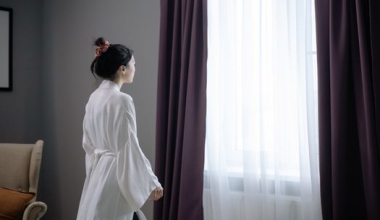
Acoustic curtains are a significant investment, designed to dampen sound and improve room acoustics. Proper maintenance is crucial to preserve their functional and aesthetic properties. Many people wonder if they can save money by dry cleaning these specialized drapes at home. While home dry cleaning kits exist, the process requires caution. Below are seven essential tips to help you decide and take the right steps.
1. Understand the Fabric Composition
Acoustic curtains are often made from dense, multi-layered fabrics such as velvet, suede, or specialized polyester blends with acoustic backing. The backing may be a separate layer or a coating. Before attempting any cleaning, check the manufacturer's label. Home dry cleaning solvents can damage certain adhesives or cause shrinkage. If the label says "professionally dry clean only," it's best to heed that warning.
Some acoustic curtains have a flame-retardant finish, and solvents may strip that treatment. If you still wish to proceed, test a small hidden area first. Apply the solvent and blot; if any color change or damage occurs, stop immediately.
___PROTECTED_1___
2. Choose the Right Home Dry Cleaning Kit
Not all home dry cleaning kits are created equal. Look for kits specifically labeled for use on delicate or drapes. Kits typically include a solvent-based stain remover and a reusable cloth that is activated in the dryer. For acoustic curtains, consider a kit that is gentle on fabrics and does not require high heat, as heat can shrink fabric or warp the acoustic backing.
Some kits are designed for light cleaning and odor removal rather than heavy stains. If your curtains have deep-set stains or soiling, home dry cleaning may not be sufficient. In that case, professional cleaning is recommended.
___PROTECTED_2___
3. Prepare the Curtains Properly
Before using any dry cleaning kit, remove all curtain hooks, rings, and weights. Shake the curtains outside to remove loose dust. Vacuum both sides with a soft brush attachment to eliminate surface debris. This step prevents dirt from setting into the fabric during the cleaning process.
Check for any stains that need pre-treatment. Use the stain remover from the kit on those specific spots. Allow the remover to sit for the recommended time, then blot with a clean cloth. Avoid rubbing, as it can damage the acoustic layer.
4. Use a Large Capacity Dryer
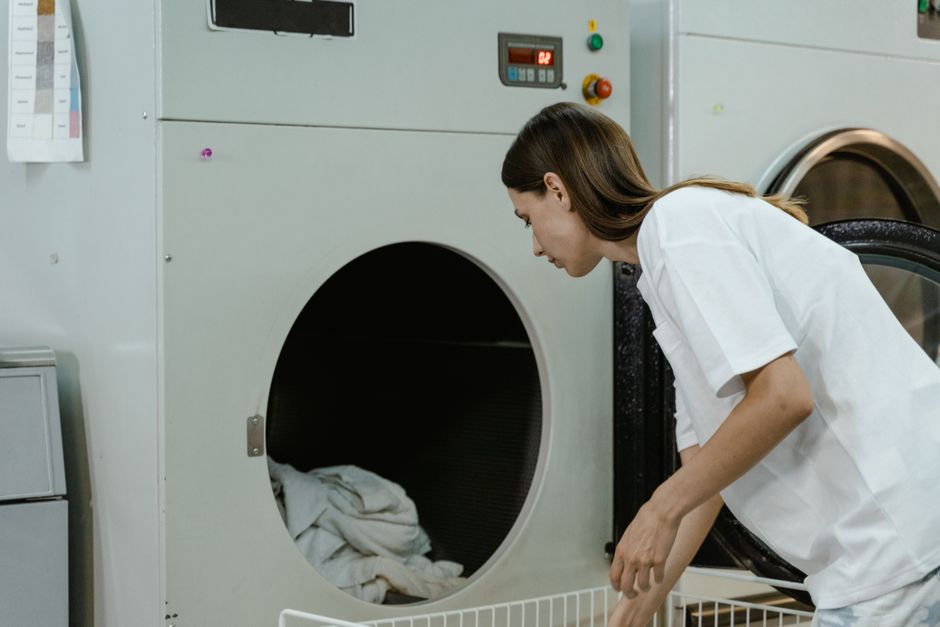
Home dry cleaning kits often require tumbling the curtains in a dryer with the special cloth. Acoustic curtains are heavy and thick; they need a large capacity dryer to allow proper movement. Overloading can lead to uneven cleaning and potential wrinkles or damage. If your dryer is too small, consider using a commercial laundromat dryer on a low heat setting.
Also, monitor the cycle. The fabric may generate lint, so clean the lint trap frequently. Once the cycle completes, immediately remove the curtains to prevent wrinkles and allow them to air dry completely before rehanging.
5. Air Dry Thoroughly to Prevent Mold
Acoustic curtains can take a long time to dry due to their density. After the dryer cycle, they may still be damp. It is crucial to hang them in a well-ventilated area away from direct sunlight to air dry completely. Sunlight can fade colors and degrade acoustic properties. If possible, use a dehumidifier or fan to speed up drying.
Never rehang damp curtains, as moisture can lead to mold growth on the fabric and backing. Mold not only damages the curtains but also poses health risks. Ensure they are bone dry before reinstalling.
6. Inspect for Damage After Cleaning
Once dry, thoroughly inspect the curtains. Look for any signs of shrinkage, warping of the acoustic backing, or color bleeding. If you notice the backing peeling or the fabric has lost its shape, the home dry cleaning process may have been too harsh. In such cases, professional restoration might be needed.
Also, test the acoustic performance. If the curtains feel thinner or less dense, the cleaning may have affected the sound-absorbing properties. Use a sound level meter app to compare before and after if you have baseline measurements.
7. Know When to Call a Professional
Ultimately, home dry cleaning of acoustic curtains is risky. The specialized construction and treatments make them delicate. If your curtains are expensive, antique, or part of a critical acoustic setup (e.g., recording studio), it's safer to hire a professional dry cleaner experienced with acoustic fabrics. The cost of professional cleaning is minor compared to replacing damaged curtains.
Moreover, if home dry cleaning fails to remove odors or stains, or if the curtains are heavily soiled, don't attempt multiple cycles. Instead, seek professional help. Some cleaners offer pick-up and delivery for large panels.
Home vs Professional Dry Cleaning Comparison
| Factor | Home Dry Cleaning | Professional Dry Cleaning |
|---|---|---|
| Cost | Low (kit $10-$20) | Moderate to high ($50-$150 per panel) |
| Risk | High (damage, shrinkage, loss of acoustic properties) | Low (experienced handling) |
| Convenience | High (at-home) | Moderate (drop-off/pickup) |
| Effectiveness for deep stains | Low | High |
| Preservation of acoustic properties | Uncertain | Likely maintained |
While home dry cleaning kits offer convenience, acoustic curtains require careful handling. Only attempt if the manufacturer approves and you are prepared for potential risks. For best results and longevity, professional cleaning remains the gold standard.