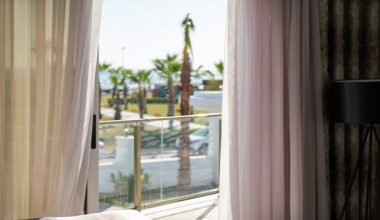
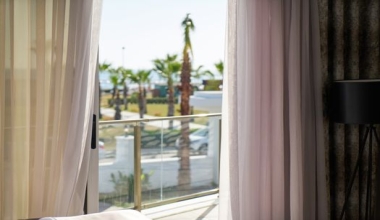
As the hospitality industry increasingly embraces sustainability, hoteliers are seeking eco-friendly alternatives for every aspect of their operations, including curtain fabrics. Eco-friendly hotel curtain fabrics not only reduce environmental impact but also enhance guest experience with natural aesthetics and improved indoor air quality. This FAQ guide answers common questions about sustainable curtain choices for hotels, covering materials, benefits, costs, and care.
What makes a hotel curtain fabric eco-friendly?
An eco-friendly curtain fabric is produced with minimal harm to the environment. Key factors include the use of renewable or recycled raw materials, low-impact manufacturing processes, and biodegradability or recyclability at end of life. For hotels, durability and performance (such as blackout or acoustic properties) must also be considered to ensure the fabric meets operational needs.
Fabrics like organic cotton, linen, hemp, bamboo, and recycled polyester are popular eco-friendly options. Certifications such as GOTS (Global Organic Textile Standard), OEKO-TEX, and Cradle to Cradle indicate that the fabric meets environmental and social standards. Choosing fabrics with low VOC emissions also contributes to better indoor air quality for guests.
Why should hotels choose sustainable curtain fabrics?
Hotels are major consumers of textiles, and by choosing sustainable curtains, they can significantly reduce their carbon footprint. Sustainable fabrics often require less water and energy to produce, and they avoid harmful chemicals that can off-gas in guest rooms. This aligns with green building certifications like LEED and can be a selling point for eco-conscious travelers.
Moreover, many sustainable fabrics are highly durable, meaning they last longer and reduce replacement frequency. This saves costs over time and reduces waste. Guests increasingly expect sustainable practices, and visible eco-friendly elements like curtains can enhance brand reputation and guest loyalty.
What are the best eco-friendly fabrics for hotel curtains?
Several sustainable fabrics excel in hotel environments. Organic cotton is soft and breathable, ideal for sheer curtains. Linen, made from flax, is naturally biodegradable and has a luxurious texture. Hemp is extremely durable and resistant to mold, making it suitable for damp areas. Bamboo viscose is soft and has a natural sheen but requires careful sourcing to ensure it is processed responsibly.
For blackout and acoustic curtains, recycled polyester (rPET) is a top choice. It is made from post-consumer plastic bottles and offers excellent light-blocking and sound-dampening properties. Blends of natural fibers with recycled polyester can balance aesthetics and performance. Always look for certifications to verify the sustainability claims of the fabric.
Are blackout curtains available in eco-friendly materials?
Yes, eco-friendly blackout curtains are widely available. Recycled polyester is the most common sustainable option for blackout linings. Some manufacturers use organic cotton or linen with a dense weave and a blackout coating that is free from PVC and harmful chemicals. Another option is to use a separate blackout lining made from recycled materials behind natural fabric curtains.
Hotels should check that the blackout coating does not contain phthalates or formaldehyde. Brands like Ecotech and GreenWeave offer certified eco-blackout fabrics. These curtains maintain thermal efficiency, reduce energy costs, and enhance guest sleep quality without compromising on sustainability.
How do sheer eco-friendly curtains benefit hotel rooms?
Sheer curtains made from organic cotton, linen, or hemp provide a soft, natural light diffusion while maintaining privacy. They create an airy, relaxing atmosphere that appeals to guests. Natural fibers also have inherent moisture-wicking and antimicrobial properties, which can reduce musty odors in humid climates.
From an eco-perspective, sheer curtains use less material than heavy drapes, so their environmental impact per unit is lower. They can be layered with sustainable blackout curtains for versatility. Hotels can choose GOTS-certified organic sheers to ensure no pesticides were used in the crop growth, supporting healthier ecosystems.
What about velvet curtains? Are there sustainable options?
Velvet curtains traditionally use silk or synthetic fibers, but sustainable alternatives exist. Recycled polyester velvet mimics the luxurious feel of traditional velvet while reducing plastic waste. Organic cotton velvet is another option, though it may be less common. Look for velvet made from Tencel (lyocell), which is derived from sustainably sourced wood pulp and produced in a closed-loop process.
Hotels seeking a rich, plush appearance for lobbies or suites can opt for these eco-velvets. They offer good insulation and sound absorption. Ensure the backing material is also eco-friendly—some velvets use recycled polyester or natural rubber coatings for flame retardancy.
How can hotels ensure their curtains are truly sustainable?
To avoid greenwashing, hotels should look for third-party certifications. GOTS ensures organic fiber content and ethical manufacturing. OEKO-TEX Standard 100 certifies that the fabric is free from harmful substances. The Cradle to Cradle Certified program assesses material health, recyclability, renewable energy use, and water stewardship. Additionally, hotels can request environmental product declarations (EPDs) from suppliers.
Hotels should also consider the entire lifecycle: fiber sourcing, dyeing processes, finishing chemicals, and end-of-life disposal. Opt for natural dyes or low-impact dyes. Work with suppliers who offer take-back programs for recycling old curtains. Conducting a life cycle assessment can help verify the true environmental impact.
What are the cost implications of choosing eco-friendly curtains?
Eco-friendly curtains often have a higher upfront cost due to certified organic materials and sustainable production methods. However, they tend to be more durable, meaning longer replacement cycles and lower long-term costs. For example, recycled polyester blackout curtains can last 5–7 years with proper care, compared to 3–4 years for conventional polyesters.
Hotels can offset initial costs through energy savings: thermal curtains reduce heating and cooling loads. Some governments offer incentives for green purchases. Bulk buying from sustainable manufacturers may also reduce per-unit costs. Overall, the total cost of ownership can be comparable or even lower than conventional curtains over time.
How to care for eco-friendly hotel curtains to extend their lifespan?
Proper care prolongs the life of sustainable curtains. Always follow the manufacturer's care label. Most natural fiber curtains can be gently machine washed with cold water and mild, eco-friendly detergent. Avoid bleach and fabric softeners. Air drying is preferable to reduce energy use and prevent shrinkage. For recycled polyester curtains, wash at low temperatures to maintain the fabric's integrity.
Hotels should implement a regular dust removal program using a vacuum with a brush attachment. For deeper cleaning, professional eco-friendly cleaning services can handle delicate fabrics. Promptly treat stains with natural spot cleaners. Rotating curtains between seasons can minimize wear. When it's time to replace, donate or recycle the old curtains if possible.