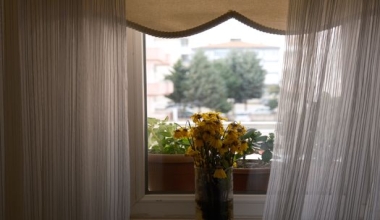
Curtains are an essential part of any home, adding style, privacy, and insulation. However, they also collect dust, allergens, and odors over time. Traditional cleaning products often contain harsh chemicals that can harm both your health and the environment. Fortunately, eco-friendly Curtain Cleaning products offer a safe, effective alternative. In this comprehensive guide, we explore the best green cleaning solutions, DIY recipes, and professional tips tailored to different curtain fabrics, including blackout, sheer, velvet, and acoustic curtains.

What Makes a Cleaning Product Eco-Friendly?
Eco-friendly cleaning products are formulated with biodegradable, non-toxic, and plant-based ingredients. They are free from phosphates, chlorine, artificial fragrances, and volatile organic compounds (VOCs). Certifications like EPA Safer Choice, EcoLogo, or Leaping Bunny (cruelty-free) help identify genuine products. These cleaners break down naturally without polluting water systems and are safe for children, pets, and people with allergies.
___PROTECTED_1___
Top Eco-Friendly Products for Curtain Cleaning
- White Vinegar – A natural disinfectant and deodorizer. Dilute with water (1:1 ratio) and use in a spray bottle for spot cleaning or as a fabric softener rinse. Ideal for synthetic curtains and blackout fabrics.
- Baking Soda – Absorbs odors and lifts stains. Sprinkle on curtains, let sit for 15 minutes, then vacuum off. Works well on velvet and acoustic panels.
- Castile Soap – A plant-based soap (like Dr. Bronner’s) that is gentle yet effective. Mix a few drops with water for hand-washing delicate sheers or velvet.
- Eco-Friendly Laundry Detergents – Choose brands like Seventh Generation, Mrs. Meyer’s, or Ecover for machine-washable curtains.
- Enzymatic Cleaners – Use on protein-based stains (food, sweat) for acoustic curtains; they break down organic matter naturally.
___PROTECTED_2___
DIY vs. Commercial Eco-Friendly Cleaners
DIY Solutions
Pros: Cost-effective, full control over ingredients, reduces packaging waste.
Cons: May not be as potent for tough stains; require more effort.
Recipe for All-Purpose Curtain Cleaner: Mix 1 cup water, 1/2 cup white vinegar, 1 tablespoon baking soda, and 10 drops of essential oil (e.g., lavender for freshness). Shake well and spray lightly from a distance of 6 inches.
Commercial Eco-Friendly Cleaners
Pros: Convenient, often tested for efficacy, sometimes specific to fabric types.
Cons: Higher cost, potential for less transparent labeling.
Top Picks: The Laundress’s Stain Solution (plant-based), Puracy Natural Stain Remover, and Branch Basics Concentrate.
Eco-Friendly Cleaning by Curtain Fabric
Different fabrics require tailored care to maintain integrity and appearance. Always check the care label first.
Blackout Curtains
Typically made from polyester or coated fabrics. Avoid harsh scrubbing to protect the light-blocking layer. Use a mild soap solution (castile soap) and spot clean with a soft cloth. For odors, sprinkle baking soda and vacuum. Never machine wash unless specified; use the gentle cycle with cold water and minimal detergent.
Sheer Curtains
Delicate and prone to tearing. Hand wash in lukewarm water with a few drops of baby shampoo or mild castile soap. Rinse thoroughly and air dry. Vinegar rinse adds brightness. Avoid wringing; press water out gently.
Velvet Curtains
Velvet is luxurious but fragile. Dry cleaning is often recommended, but eco-friendly options exist. Steam clean with distilled water using a handheld steamer (no detergent) to freshen. For stains, dab with a mixture of water and white vinegar using a microfiber cloth. Brush gently with a soft bristle brush to restore nap.
Acoustic Curtains
These heavy, multi-layered curtains absorb sound. Vacuum regularly with an upholstery attachment. For deeper cleaning, use a dry carpet cleaner powder (eco-friendly) applied with a brush, then vacuum. Avoid wet methods that can damage layers. If washing is necessary, check manufacturer guidelines; often they are spot-clean only.
Preventive Care: Reduce Cleaning Frequency
- Vacuum weekly using a soft brush attachment to remove dust and allergens.
- Avoid smoke and cooking fumes near curtains; use ventilation.
- Rotate exposure to sunlight to prevent fading.
- Use a lint roller for pet hair and dust in between cleanings.
- Refresh with steam (without detergent) every few months to kill bacteria.
Step-by-Step Guide to Eco-Friendly Curtain Cleaning
- Dust and Vacuum – Use a vacuum with a brush attachment to remove loose dirt from both sides of the curtain.
- Spot Test – Apply your chosen eco-friendly cleaner to an inconspicuous area to ensure no discoloration.
- Prepare Cleaning Solution – For a gentle all-purpose cleaner: mix 2 cups warm water, 1 tablespoon castile soap, 1 tablespoon white vinegar.
- Spot Clean – Dip a clean white cloth into the solution, wring out excess, and dab soiled areas. Avoid rubbing.
- Rinse – Using a separate damp cloth with plain water, wipe away soap residue.
- Dry Properly – Hang curtains back up while slightly damp (if fabric allows) to prevent wrinkles. Use a fan or open windows for airflow.
- Finish – Once fully dry, vacuum again gently to restore texture.
Conclusion
Switching to eco-friendly curtain cleaning products not only protects your curtains and indoor air quality but also reduces your environmental footprint. By choosing natural ingredients, supporting sustainable brands, and adopting preventive care habits, you can keep your blackout, sheer, velvet, or acoustic curtains looking fresh without harmful chemicals. Start small – replace one chemical cleaner with a vinegar solution or a certified green product – and enjoy the benefits of a cleaner, greener home.