Installing curtains in a hotel setting requires precision, durability, and aesthetic appeal. Whether you're outfitting a boutique hotel or renovating a large chain, proper installation ensures longevity, light control, and noise reduction. This step-by-step guide covers everything from measuring to hanging, with tips for blackout, sheer, velvet, and acoustic fabrics.
Tools and Materials Needed
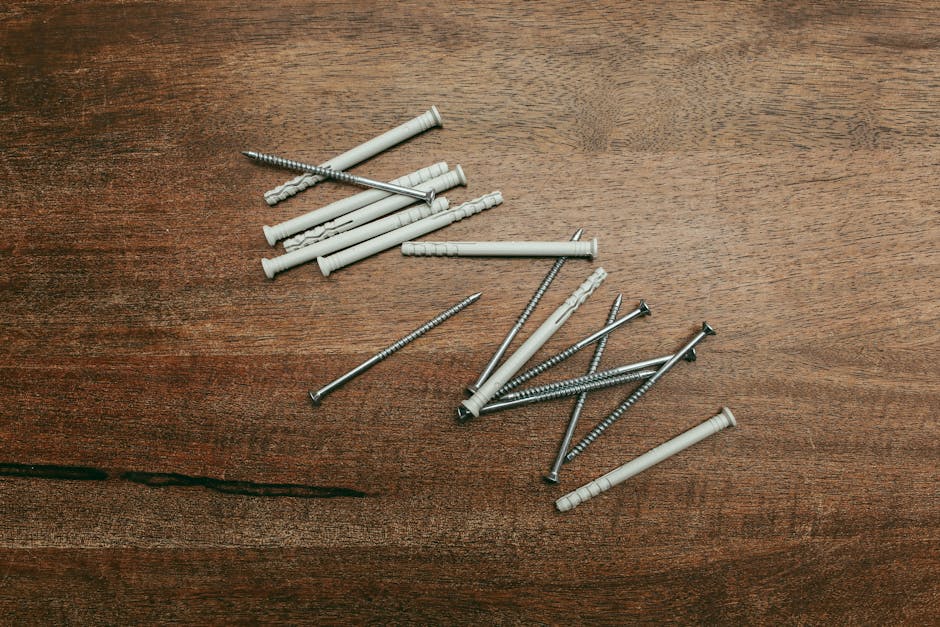
Before starting, gather the following tools and materials. Having everything ready saves time and prevents mistakes.
| Tool/Material | Purpose |
|---|---|
| Measuring tape | Accurate measurements of windows and rods |
| Pencil and level | Marking and ensuring rod alignment |
| Power drill with bits | Drilling holes for brackets |
| Screwdriver (manual or electric) | Securing screws |
| Stud finder | Locating wall studs for heavy curtains |
| Curtain rods and brackets | Support system for curtains |
| Drapery hooks or rings | Attaching curtains to rods |
| Step ladder | Reaching high ceilings |
| Safety goggles | Eye protection during drilling |
For heavy fabrics like velvet or acoustic curtains, use heavy-duty brackets and anchors rated for at least 50 lbs. For sheer curtains, lighter rods suffice.
___PROTECTED_1___
Measuring and Planning
Window Measurements
Measure the width of each window from outer edge to outer edge. Add 4-6 inches on each side (8-12 inches total) for stacking space. For floor-length curtains, measure from the rod position to the floor minus 1/2 inch clearance. For puddling, add 2-4 inches.
Rod Placement
Mount rods 4-6 inches above the window frame to create height illusion. For high ceilings, install closer to the ceiling (1-2 inches below crown molding). For blackout or acoustic curtains, mount the rod as close to the ceiling as possible to minimize light gaps and sound leakage.
Curtain Length and Width
Standard hotel curtains are floor-length. For fullness, multiply window width by 2-2.5 for sheer, 1.5-2 for medium weight, and 1.5-2 for heavy fabrics. Acoustic curtains often require floor-to-ceiling coverage. Record all measurements per window.
___PROTECTED_2___
Installing Curtain Rods
Locate Studs or Use Anchors
Use a stud finder to locate wall studs. For heavy curtains, attach brackets directly into studs. If studs aren't positioned correctly, use hollow-wall anchors rated for at least 75 lbs. Mark screw locations with a level to ensure straight alignment.
Drill and Mount Brackets
Drill pilot holes at marked points. Insert wall anchors if needed. Attach brackets using screws—ensure they are level. For extra-long rods (over 120 inches), use a center support bracket to prevent sagging.
Install the Rod
Slide the rod through the curtain panels (if using rings or drapery hooks) before placing on brackets. If using a telescopic rod, adjust to exact width and lock. Place rod onto brackets and tighten set screws.
Hanging Curtains
Sheer Curtains
Sheers are lightweight and best hung on a separate rod behind heavier curtains. Use clip rings or a rod pocket. For a relaxed look, allow sheers to drape slightly. Avoid overfullness—2x width is sufficient.
Blackout Curtains
Blackout curtains require a solid mount. Use grommet tops for easy sliding or back tabs for a clean look. Ensure the rod is close to the wall to minimize light gaps. For maximum darkness, overlap curtains by 6 inches at the center and use a valance to cover the rod.
Velvet Curtains
Velvet is heavy and luxurious. Use a sturdy rod with ball finials to prevent slipping. Hang using drapery hooks on a track system or rings on a rod. Brush the velvet lightly after hanging to remove creases. For high-end hotels, consider a motorized system to avoid touching the fabric.
Acoustic Curtains
Acoustic curtains are dense and often lined. They must be floor-to-ceiling and wall-to-wall for noise reduction. Install a ceiling track or tension rod (if floor-to-ceiling). Ensure the bottom touches the floor or carpets to block sound paths. Overlap panels at least 6 inches.
Final Adjustments and Tips
Level and Align
After hanging, step back and check that all curtains are level and at the same height. Use a laser level for consistency across multiple windows. Adjust bracket positions if needed.
Train the Fabric
For polyester blends, use a steamer to remove wrinkles. For natural fibers like velvet, hang for 48 hours to allow creases to fall out. Avoid ironing directly on velvet—use a steamer instead.
Child Safety
In hotels with family suites, secure corded blinds with cord cleats or use cordless options. For wand-style controls, ensure they are out of reach of children.
Maintenance Tip
Vacuum curtains monthly using a brush attachment. For dry-clean-only fabrics, schedule professional cleaning annually. Acoustic curtains should be vacuumed but not washed.
Conclusion
Proper hotel curtain installation enhances guest comfort and room aesthetics. By following these steps, you ensure functionality for blackout, sheer, velvet, and acoustic fabrics. Remember: measure twice, drill once, and invest in quality hardware. A well-installed curtain system can last for years with minimal maintenance.