Excessive noise in classrooms is a major barrier to effective learning. Studies show that high noise levels reduce concentration, impair speech comprehension, and increase student stress. While architectural solutions like acoustic panels are common, acoustic curtains offer a flexible, cost-effective alternative. This guide explores how to choose the right acoustic curtain fabric to minimize classroom noise and create an optimal learning environment.
Understanding Classroom Acoustics
Classroom acoustics are influenced by room size, hard surfaces, and the number of occupants. Reverberation time (how long sound echoes) is critical: ideal is 0.4–0.6 seconds for speech clarity. Without absorption, sound bounces off walls, windows, and floors, causing noise buildup. Acoustic curtains absorb sound energy, reducing reverberation and improving speech intelligibility. They are especially effective against mid to high frequencies common in classroom chatter.
___PROTECTED_1___
Why Acoustic Curtains Matter
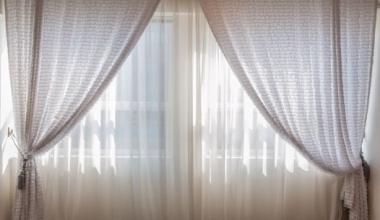
Unlike standard drapery, acoustic curtains are engineered with dense fabrics and multiple layers to absorb sound. They can reduce noise levels by up to 10 dB when properly installed. Additionally, they provide visual privacy, block light, and add thermal insulation. For schools on a budget, curtains are a versatile upgrade compared to permanent panels.
___PROTECTED_2___
Key Fabric Characteristics for Noise Reduction
Choosing the right fabric is crucial. Not all heavy fabrics absorb sound well. Look for:
- High Weight (GSM): Fabrics over 300 GSM are more effective. Velvet and thick polyester often exceed 400 GSM.
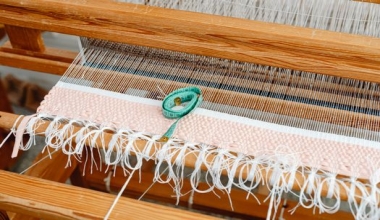
- Open Weave vs. Tight Weave: A dense weave traps sound waves better. However, some open weaves can scatter sound if backed with absorptive lining.
- Layering: Multilayer curtains with an acoustic interlining (e.g., felt) significantly boost NRC (Noise Reduction Coefficient).
Fabric Weight and Density
Weight directly correlates with absorption. A fabric with GSM 500+ can achieve NRC up to 0.65. For classrooms, aim for NRC 0.6 or higher. Density also matters: densely packed fibers (e.g., felt) absorb more than loosely woven materials. Test fabric by holding up to light: less transparency means better absorption.
Fabric Construction and Weave
Woven fabrics with a tight, plain or twill weave perform better than knits. Velvet’s pile traps sound, while crushed velvet increases surface area. Double-pass or triple-pass weaves add thickness. Avoid glossy finishes that reflect sound; matte textures are preferable.
Material Options: Velvet, Polyester, Fiberglass Blends
Velvet
Velvet is a top performer due to its dense pile and high GSM (usually 500–600). It absorbs mid-high frequencies well and adds a premium look. However, it can be costly and requires delicate cleaning.
Polyester
Polyester is durable, fade-resistant, and affordable. Look for heavyweight versions (>400 GSM) with a tight weave. Many acoustic curtains are 100% polyester or blended with cotton. They are easy to maintain.
Fiberglass Blends
These are fire-resistant and highly absorbent (NRC up to 0.8). Suitable for high-risk areas but less common in classrooms due to stiffness and possible irritation.
Comparing Acoustic Curtain Fabrics
| Fabric | Typical GSM | NRC Range | Cost | Durability |
|---|---|---|---|---|
| Velvet | 500–600 | 0.60–0.70 | $$$ | High |
| Heavy Polyester | 400–500 | 0.55–0.65 | $$ | Very High |
| Fiberglass Blend | 300–400 | 0.70–0.80 | $$$ | Medium |
| Cotton/Poly Mix | 300–400 | 0.45–0.55 | $ | Medium |
Installation Tips for Maximum Effectiveness
- Floor-to-ceiling and wall-to-wall: Cover as much surface as possible. Gaps reduce absorption.
- Pleating: Use triple pleats or pinch pleats to create folds that trap sound.
- Distance from wall: Keep curtains 4–6 inches from the wall to allow sound to hit the back side absorption layer.
- Use corrugated tracks: They help seal edges and prevent sound flanking.
Combining Curtains with Other Acoustic Treatments
For best results, pair curtains with acoustic panels on walls, a sound-absorbing ceiling treatment, and carpeting. This combination can reduce reverberation time by up to 50%. Place curtains over windows and large wall areas to absorb first reflections.
Maintenance and Care
Acoustic curtains collect dust, which can reduce performance. Vacuum monthly using a brush attachment. Spot clean with mild soap. Most polyester curtains are machine washable, but velvet often requires dry cleaning. Check fire rating compliance—schools typically require NFPA 701 or similar certification.
Conclusion
Selecting the right acoustic curtain fabric for classroom noise control involves balancing weight, weave, material, and installation. Heavy velvet or dense polyester fabrics with a tight weave and high GSM offer the best sound absorption. Combine proper installation with other treatments to create a quieter, more focused learning environment. Invest in quality curtains; the academic payoff is significant.