Blackout fabric is a game-changer for any room that needs complete darkness, privacy, or temperature control. Sliding doors, with their large glass panels, are often the biggest source of light leakage and heat loss. Installing blackout fabric on sliding doors requires careful planning and the right technique. In this comprehensive guide, we'll walk you through everything you need to know, from choosing the right fabric to step-by-step installation methods. Whether you're a DIY enthusiast or a professional, these tips will help you achieve a flawless, darkening blackout installation.
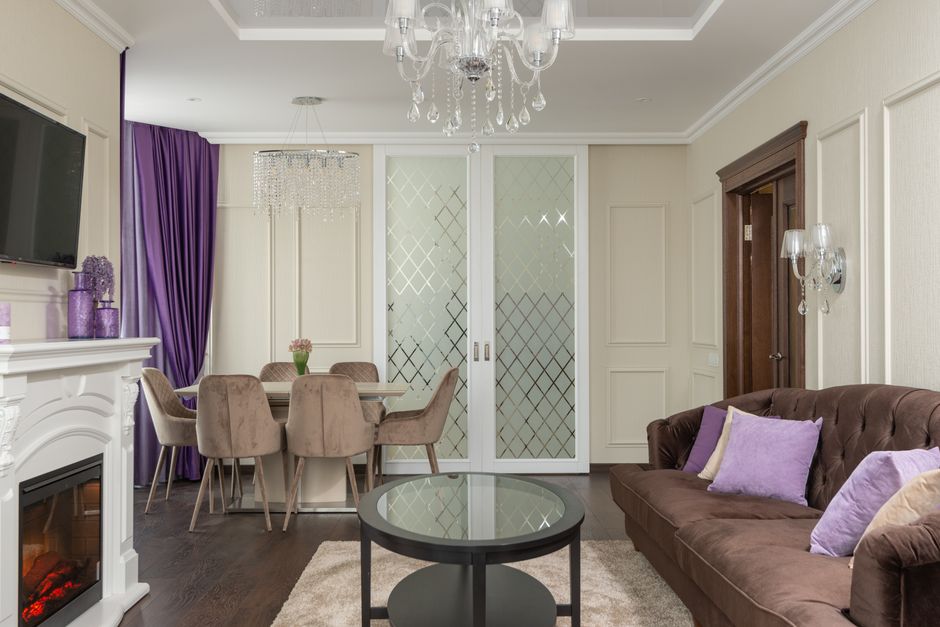
Why Choose Blackout Fabric for Sliding Doors?
Sliding doors present unique challenges for light control. Unlike standard windows, they often have multiple panels, tracks, and handles that can leave gaps for light to seep through. Blackout fabric is designed to block up to 99% of external light, making it ideal for bedrooms, home theaters, or nurseries. Additionally, blackout fabrics often have thermal properties that help insulate the room, reducing energy costs. The fabric's dense weave also provides excellent sound dampening, which is a bonus for sliding doors that can be noisy.
Moreover, blackout fabric offers privacy without completely sacrificing the ability to operate the door. By choosing the right installation method, you can ensure that the curtain moves smoothly with the door, maintaining both function and style.
___PROTECTED_1___
Measuring Your Sliding Door
Accurate measurement is critical for a professional-looking installation. Follow these steps:
- Measure the width of the entire sliding door including the frame. For outside mount, add 4-6 inches on each side to ensure full coverage. For inside mount, measure the width inside the frame exactly.
- Measure the height from the top of the frame to the floor. Decide if you want the curtain to just touch the floor or puddle for a more elegant look. For sliding doors, it's often best to have the curtain just above the floor to prevent interference with the track.
- Note the location of handles, locks, and any obstructions that might affect the curtain's hang.
Remember: measure twice, cut once. If using a track system, ensure you have enough clearance for the curtain to slide freely without bunching.
___PROTECTED_2___
Types of Blackout Fabrics
Not all blackout fabrics are created equal. For sliding doors, consider the following:
- Polyester Blackout: Most common, durable, and easy to clean. Good for high-traffic areas.
- Velvet Blackout: Adds a luxurious feel and excellent light-blocking but may fade in direct sunlight.
- Thermal Blackout: Heavy weight, triple-weave for maximum insulation. Ideal for cold climates.
- Sheer Blackout: A combination of a sheer layer and a blackout lining. Offers daytime privacy without losing light control.
For sliding doors, heavier fabrics often hang better and stay in place. Also consider the color: dark colors absorb heat, while lighter colors reflect it.
Installation Methods
There are several ways to install blackout fabric on sliding doors. Here are the most effective:
1. Track System (Best for Operation)
A ceiling or wall-mounted track allows the curtain to be drawn open and closed with ease. This method is perfect for sliding doors because the track can bend or come in additional lengths to fit wide openings. Choose a track with a glider system that holds the fabric taut. Install the track so that it extends past the door frame on both sides to prevent light leakage. Use snap-in headers or velcro to attach the blackout fabric to the gliders.
Pro tip: For double sliding doors, consider a split track where two panels meet in the middle, or use a single track and draw both sides manually.
2. Magnetic System (No Drilling)
If you can't drill into walls or frames, magnetic blackout curtains are a quick solution. These use strong magnets attached to the curtain and metal plates on the door frame. This method works well for sliding doors as the curtain can be easily removed for cleaning. However, magnets may leave gaps at the edges. Use additional magnetic strips along the sides to seal light.
Pro tip: For sliding doors that open inward, attach the magnets on the inside of the frame to avoid interference with the door's operation.
3. Rod Pocket with Tension Rod
A tension rod installed inside the door frame is a no-drill option for inside mount. This works if the sliding door has a recessed frame. Simply slide the rod into place and hang the blackout curtain with a rod pocket. However, tension rods may not support heavy blackout fabrics and can sag over time. Use a lightweight blackout liner instead.
Pro tip: Ensure the tension rod is long enough to extend fully across the frame and tighten it securely. Check periodically and retighten.
4. Grommet Curtains with Curtain Rod
For outside mount installation, use a standard curtain rod mounted above the door frame. Grommet curtains slide easily on the rod and create neat, even folds. Choose a rod that extends 6-8 inches beyond the frame on each side to block light completely. This method is simple but may not allow the curtain to be drawn open fully if the door furniture interferes.
Pro tip: Use a wrap-around rod to curve the curtain back to the wall, preventing light from leaking from the sides.
Tips for Ensuring a Perfect Fit
- Use blackout fabric with a weighted hem to keep the curtain straight and prevent light gaps at the bottom.
- Install a valance or pelmet at the top to block light from above the rod.
- Seal the edges with velcro strips attached to the frame, especially for sliding doors that may have irregular sides.
- For maximum darkness, combine blackout fabric with blackout liner or double-sided tape along the track.
- Consider a bypass track system that allows curtains to slide past each other, ideal for multiple panels.
Maintenance and Care
Blackout fabric can accumulate dust and odors. Most polyester blackout curtains are machine washable on a gentle cycle. Velvet and thermal fabrics may require dry cleaning. Always check the care label. Vacuuming with a brush attachment weekly can prolong the life of the fabric. For sliding doors, ensure the curtain does not drag on the floor as this can damage the hem.
Conclusion
Installing blackout fabric on sliding doors is a practical and transformative home improvement. By choosing the right fabric and installation method, you can achieve total light control, enhanced privacy, and improved energy efficiency. Whether you opt for a track system for seamless operation or magnetic strips for ease, the key is meticulous measuring and sealing all potential light leaks. With the tips in this guide, you'll be able to enjoy a dark, cozy space year-round.
Ready to transform your sliding doors? Explore our range of blackout fabrics and installation kits to get started.