Blackout curtains with thermal lining are more than just a stylish window treatment—they are a functional investment for your home or office. By combining heavyweight, opaque fabrics with an insulating layer, these curtains block light, reduce noise, and improve energy efficiency. Whether you're looking to create a dark sanctuary for better sleep, lower your utility bills, or protect your interiors from sun damage, thermal-lined blackout curtains offer a versatile solution. In this comprehensive guide, we'll explore their benefits, key features to consider, top product picks, installation tips, and maintenance advice to help you make an informed choice.
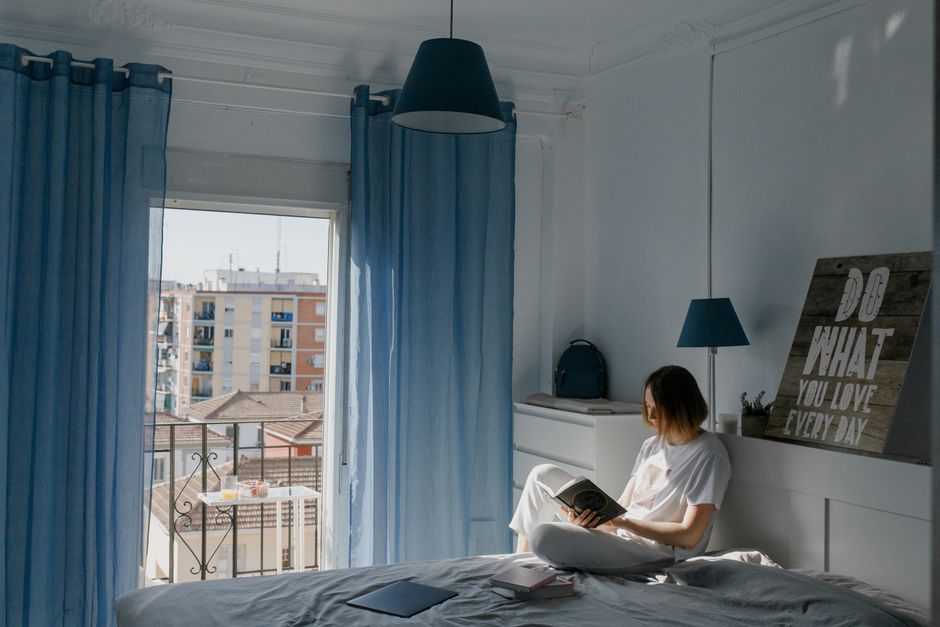
What Are Blackout Curtains with Thermal Lining?
Blackout curtains are made from dense, tightly woven fabrics that block external light. When combined with a thermal lining—often made from materials like polyester, foam, or flannel—they gain an additional layer that insulates against heat and cold. The lining typically features a reflective coating or a thick, foam-backed core that traps air, reducing heat transfer. Unlike standard curtains, these are designed to fit snugly against windows, covering the entire frame to prevent light leaks. They are available in various colors, textures, and lengths, making them suitable for bedrooms, living rooms, home theaters, and even commercial spaces like offices and hotels.
___PROTECTED_1___
Top Benefits of Thermal-Lined Blackout Curtains
1. Energy Efficiency and Cost Savings
Thermal linings act as a barrier, reducing heat loss in winter and heat gain in summer. According to the U.S. Department of Energy, curtains with a thermal lining can reduce heat loss by up to 25% in winter. During summer, they block up to 40% of solar heat, easing the load on your air conditioner. Over a year, this can translate into significant savings on heating and cooling bills. For example, a typical household might save $100–$200 annually depending on window size and local climate.
2. Enhanced Privacy and Light Control
These curtains provide near-total darkness, making them ideal for shift workers, light-sensitive sleepers, or home theaters. The thermal lining adds an extra opaque layer that prevents light from seeping through the fabric. For maximum light blockage, choose curtains with a high blackout rating (e.g., 99% light blockage) and ensure they extend beyond the window frame with a proper rod.
3. Noise Reduction
The dense fabric and insulating layer absorb sound waves, reducing outside noise by up to 50%. This is especially beneficial for homes near busy streets, airports, or noisy neighbors. While not a replacement for acoustic panels, thermal blackout curtains significantly dampen mid- and high-frequency sounds.
4. Protection for Furniture and Floors
Ultraviolet (UV) rays can fade furniture, carpets, and artwork over time. Blackout curtains with thermal lining block up to 99% of UV radiation, preserving the color and integrity of your interior items. This protection is particularly valuable in rooms with large windows or southern exposure.
___PROTECTED_2___
Key Features to Look For When Buying
| Feature | What to Look For | Why It Matters |
|---|---|---|
| Lining Material | Polyester foam, flannel, or triple-weave | Thicker linings offer better insulation and sound absorption. Triple-weave provides the highest blackout effect. |
| Blackout Rating | 99% or higher light blockage | Ensures complete darkness; check manufacturer specs for lab-tested percentages. |
| Fabric Weight | Heavyweight (200+ GSM) | Heavier fabrics hang better and improve thermal performance. |
| Size and Fit | Width 1.5–2 times the window width; length to floor | Prevents light leaks; wider panels create fuller folds. |
| Care Instructions | Machine washable or dry clean | Ease of cleaning; some linings require gentle cycles. |
| Color/Opacity | Dark colors for better heat absorption reverse side | Light colors reflect heat; dark colors absorb. Choose based on climate. |
Best Picks: Top Thermal Blackout Curtains in 2025
Budget-Friendly Option: NICETOWN Thermal Insulated Blackout Curtains
These curtains feature a foam-backed polyester lining that blocks 99% of light and reduces noise. They come in over 30 colors and are machine washable. Priced around $25–$35 per panel, they offer excellent value. Ideal for bedrooms and living rooms where cost is a primary concern. Customer reviews highlight durability and effective thermal insulation.
Premium Choice: Deconovo Room Darkening Curtains with Thermal Lining
Deconovo's curtains use a triple-weave fabric with a soft microfiber lining. They block 100% of light and have a noise reduction rating of 30%. Available in elegant textures like velvet and linen. Price range: $40–$70 per panel. These are perfect for home theaters or master bedrooms where aesthetics and performance matter.
Best for Soundproofing: RYB HOME Blackout Soundproof Curtains
Specifically designed for noise reduction, these curtains have an extra-thick polyester lining (300 GSM) that absorbs sound more effectively. They block 99% of light and reduce noise by up to 50%. Ideal for apartments or nurseries. Price: $50–$80 per panel. Many users report a noticeable difference in street noise.
Installation Tips for Maximum Effectiveness
- Use a ceiling-mounted track or a rod with return brackets to minimize light gaps at the top and sides.
- Extend the curtain rod 6–12 inches beyond the window frame on each side to block light from angling in.
- Choose curtains that reach the floor (or pool slightly) to prevent drafts from below.
- Layer curtains with a valance or pelmet to hide the rod and trap air.
- Seal any gaps around the window frame with weatherstripping if the curtains alone don't block all light.
Care and Maintenance
To preserve the thermal lining and blackout properties:
- Check the label—most can be machine washed on a gentle cycle with cold water, then tumble dried on low.
- Avoid fabric softeners and bleach, which can degrade the lining.
- Iron on low heat if needed; do not use high heat directly on the lining.
- Vacuum curtains occasionally to remove dust, which can reduce light-blocking ability over time.
- Replace every 5–7 years or when you notice fading or loss of insulation.
Frequently Asked Questions
Do thermal blackout curtains really save energy?
Yes, by reducing heat transfer, they can lower heating and cooling costs by up to 25% in some climates. However, maximum savings require proper installation and full window coverage.
Can I use these curtains in a living room?
Absolutely. They come in neutral and stylish designs that blend with most décors. For a softer look during the day, you can tie them back or use sheer curtains behind.
How do I measure for thermal blackout curtains?
Measure the width of your window and multiply by 1.5–2 for fullness. For height, measure from the rod to the floor or desired drop. Add extra width for light blockage.
Are thermal blackout curtains safe?
Most are made with non-toxic materials, but check for certifications like OEKO-TEX or Greenguard if sensitive to chemicals. Ensure cords are child-safe.
In conclusion, blackout curtains with thermal lining are a smart upgrade for any space seeking comfort, privacy, and energy savings. By understanding the benefits, key features, and top products, you can select the perfect pair for your needs. Remember to install them correctly and maintain them well to enjoy their advantages for years. Whether you're outfitting a nursery, a home office, or a bedroom, investing in quality thermal blackout curtains will transform your environment.