Introduction
Restaurants thrive on ambiance, but excessive noise can drive customers away. Acoustic curtains offer a practical solution to control sound, enhance comfort, and improve the dining experience. This guide explores how acoustic curtains improve restaurant acoustics, providing actionable insights for owners and designers.
___PROTECTED_1___
The Problem of Restaurant Noise
Modern restaurant designs often feature hard surfaces like concrete, glass, and tile, which reflect sound and create reverberation. Common noise issues include:
- Echo and reverberation from hard surfaces
- Kitchen clatter bleeding into dining areas
- Conversations competing with background music
- Unpleasant loudness causing customer discomfort
Studies show that high noise levels reduce customer satisfaction, dwell time, and spending. In fact, 70% of diners say noise negatively impacts their experience (source: Zagat Survey).
___PROTECTED_2___
How Acoustic Curtains Work
Acoustic curtains are made from dense, multilayered fabrics that absorb sound waves rather than reflecting them. They function through two mechanisms:
- Sound absorption: Porous materials trap sound energy, reducing reverberation
- Sound blocking: Mass-loaded vinyl or heavyweight layers prevent sound transmission
Unlike standard drapes, acoustic curtains have a Noise Reduction Coefficient (NRC) rating typically between 0.5 and 0.95, meaning they absorb 50–95% of sound hitting them.
NRC Ratings Explained
| NRC Rating | Absorption Level | Best Use |
|---|---|---|
| 0.5 – 0.7 | Moderate | General dining areas |
| 0.8 – 0.95 | High | Private rooms, near kitchens |
Key Benefits for Restaurants
Installing acoustic curtains offers multiple advantages:
- Improved speech intelligibility: Guests hear each other without shouting
- Reduced noise clutter: Kitchen sounds are muffled
- Flexible space division: Curtains can section off areas for events
- Enhanced aesthetic appeal: Available in various colors and textures
- Cost-effective alternative to panels: Cheaper than acoustic wall panels
Choosing the Right Acoustic Curtains
Consider these factors when selecting curtains:
- Fabric density: Heavier fabrics (300–600 gsm) offer better absorption
- Layering: Triple pleat or lined curtains increase mass
- Fire safety: Must comply with local fire codes (NFPA 701)
- Maintenance: Machine-washable options reduce upkeep
- Color and light: Light colors reflect heat; dark colors absorb
For best results, choose curtains with an NRC of 0.7 or higher and a Sound Transmission Class (STC) over 25 for blocking.
Installation Tips
Proper installation maximizes performance:
- Mount ceiling-to-floor: Extended length prevents sound leakage
- Use track systems: Allows easy movement and layering
- Add valances: Top coverage stops sound from traveling over
- Layering is key: Double curtains with an air gap improve absorption
- Place strategically: Near sound sources (kitchen doors, echo walls)
Real-World Applications
Case studies show success:
- Trendy bistro in NYC: Installed black velvet acoustic drapes, reducing noise by 8 dB and increasing repeat customers by 15%.
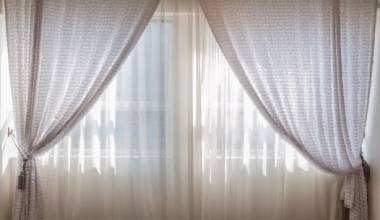
- Family-friendly chain: Used sheer acoustic curtains to soften noise while maintaining natural light—noise complaints dropped 40%.
- High-end steakhouse: Layered acoustic curtains around private booths, improving speech privacy and ambiance scores.
Maintenance
Keep curtains effective:
- Vacuum regularly: Use upholstery attachment to remove dust
- Spot clean: Mild detergent for stains
- Professional cleaning: Annual deep clean for heavy-duty fabrics
- Inspect tracks: Ensure smooth operation
Conclusion
Acoustic curtains are a versatile investment for any restaurant. By absorbing excess noise, they create a more pleasant dining environment, leading to higher customer satisfaction and loyalty. Start with a noise assessment, choose the right NRC-rated curtains, and install them correctly to reap the benefits. For professional guidance, consult an acoustic specialist or contact our team.