Choosing the right blackout curtain fabric can transform a room from simply dark to completely light-free. Whether you're setting up a home theater, a nursery, or a bedroom for shift workers, the material you select determines not only light blockage but also insulation, noise reduction, and overall aesthetics. This in-depth guide explores the most popular blackout curtain fabric types, their benefits, and how to pick the perfect one for your needs.
Why Blackout Curtains Matter
Blackout curtains are designed to block external light, providing total darkness even during daytime. They also offer thermal insulation, reducing energy costs, and can dampen outside noise. The key to their performance lies in the fabric construction. Most blackout fabrics feature a dense weave or a special lining, but not all are created equal. Understanding the differences helps you invest wisely.
___PROTECTED_1___
Key Fabric Types for Blackout Curtains
Polyester Blackout Fabric
Polyester is the most common and affordable blackout fabric. It's typically woven tightly and may have a foam or acrylic coating on the back. Pros include durability, wrinkle resistance, and easy care. However, polyester can feel less breathable and may not offer the same luxury aesthetic as natural fibers. Many budget-friendly blackout curtains in the market are 100% polyester with a blackout coating. Look for a high thread count for better light blocking.
Cotton Blackout Fabric
Cotton blackout curtains are popular for their natural feel and breathability. They are often lined with a blackout layer (like suede or foam) to achieve darkness. Cotton is hypoallergenic and washes well, but it can shrink if not pre-treated. Pure cotton without lining may not provide true blackout; ensure the product specifies “triple-weave” or “blackout lining.” Great for bedrooms where a soft, natural texture is desired.
Velvet Blackout Fabric
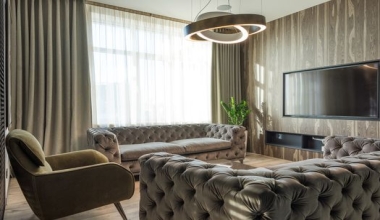
Velvet is the luxurious choice for blackout curtains. Its dense pile naturally blocks light and adds incredible insulation. Velvet blackout drapes are heavy, which also helps with sound absorption. They come in rich colors and are perfect for formal living rooms or master bedrooms. The main drawbacks are higher cost and weight—ensure your curtain rod can support them. Opt for cotton or polyester velvet blends for easier maintenance.
Linen Blackout Fabric
Linen offers a relaxed, organic look, but natural linen is poor at blocking light. Therefore, linen blackout curtains are usually lined with a blackout coating or have a tight weave. They are breathable and eco-friendly, but can wrinkle easily. For true blackout, choose a “blackout linen” that has a special weave or lining. They work well in coastal or bohemian interiors where you want some texture without sacrificing darkness.
Acoustic Blackout Fabric
Acoustic blackout fabric is a specialized type that combines light blocking with sound absorption. Made from dense, multi-layer materials like mass-loaded vinyl or high-density foam sandwiched between fabrics, these curtains reduce noise by up to 30 decibels. They are heavier and more expensive, ideal for home theaters, recording studios, or city apartments near busy streets. Some acoustic curtains also have thermal properties, making them a multifunctional investment.
___PROTECTED_2___
Comparing Blackout Fabric Types
| Fabric Type | Light Blocking | Thermal Insulation | Noise Reduction | Cost | Best Use |
|---|---|---|---|---|---|
| Polyester | Excellent (coated) | Good | Moderate | $ | Budget-friendly, kids' rooms |
| Cotton | Good (lined) | Good | Moderate | $$ | Bedrooms, natural look |
| Velvet | Excellent (dense pile) | Excellent | High | $$$ | Luxury spaces, theaters |
| Linen | Moderate (lined) | Good | Low | $$ | Casual elegance |
| Acoustic | Excellent | Excellent | Very High | $$$$ | Studios, city noise |
How to Choose the Best Blackout Fabric for Your Space
Start by assessing your primary need: complete darkness, energy savings, or noise reduction. For nurseries and shift workers, prioritize light blocking (polyester or velvet). For energy efficiency, look for fabrics with thermal backing (velvet or acoustic). For noise, acoustic blackout is best, but heavy velvet also helps. Consider the room’s style—velvet for drama, linen for casual, cotton for classic. Also check the curtain’s construction: triple-weave fabrics block light without coating, while coated fabrics may degrade over time. Always read product specs for “100% blackout” certification.
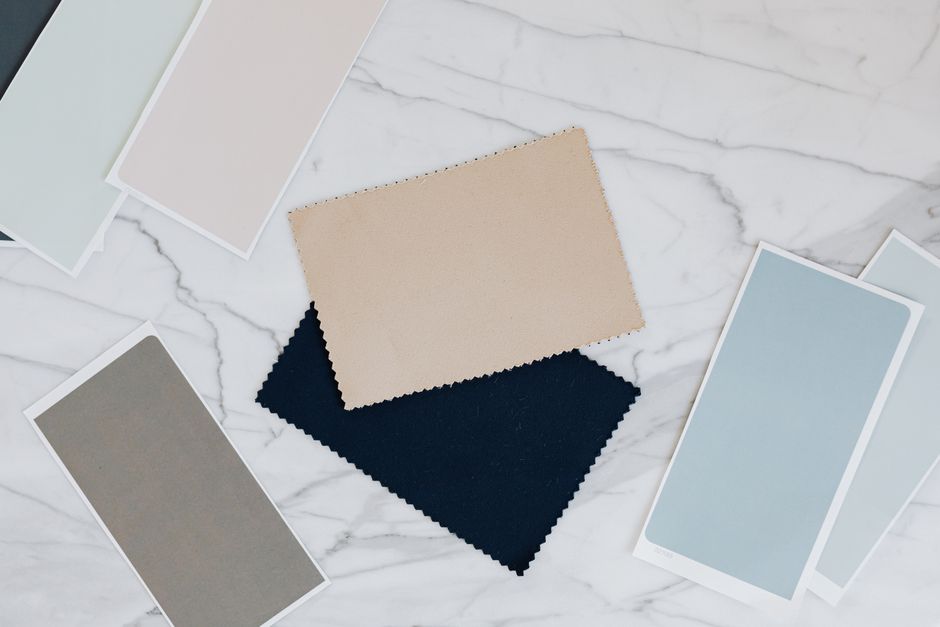
Practical Tip: Test fabric samples in your room before purchasing. Hold them up to a bright window to see if any light seeps through. Also feel the weight—heavier fabrics generally perform better.
Care and Maintenance Tips
- Polyester and cotton: Machine wash cold, gentle cycle. Tumble dry low or air dry to prevent shrinkage.
- Velvet: Dry clean only or spot clean. Avoid ironing; use a steamer to remove creases.
- Linen: Dry clean recommended. If machine washable, use delicate cycle and iron while damp.
- Acoustic: Wipe with damp cloth or vacuum with brush attachment. Do not submerge.
- All fabrics: Avoid direct sunlight exposure to prevent fading of the blackout coating. Rotate curtains occasionally.
Conclusion
The best blackout curtain fabric depends on your specific needs. Polyester offers affordability and decent performance, while velvet delivers luxury and superior light blockage. Acoustic fabrics are unbeatable for noise control. Always prioritize a reputable brand and check for certifications like Oeko-Tex for safety. With the right choice, you’ll enjoy peaceful darkness, energy savings, and a comfortable ambiance for years to come.