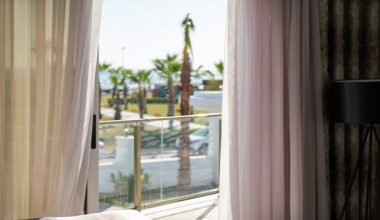
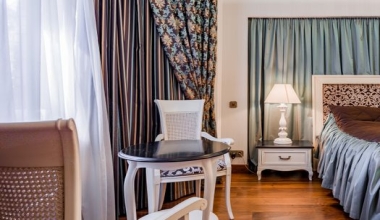
Choosing the right curtain fabric for a hotel is a critical decision that affects guest experience, operational efficiency, and overall ambiance. The best fabrics combine durability, aesthetics, light control, acoustic properties, and safety compliance. This guide explores the top curtain fabric options for hotels, offering practical tips and insights to help hoteliers make informed choices.
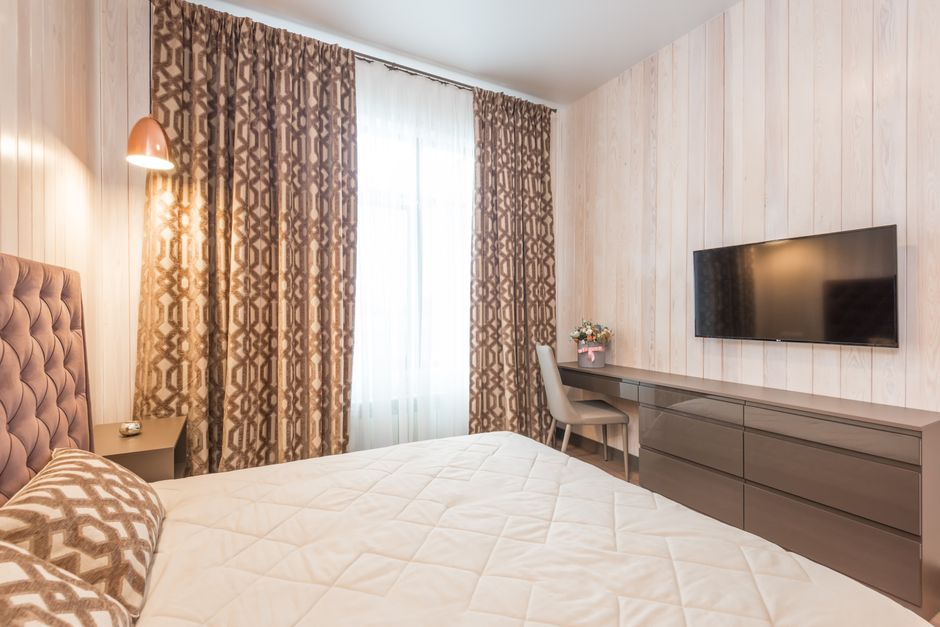
Key Factors to Consider When Choosing Hotel Curtain Fabrics
Before diving into specific fabric types, it's essential to understand the criteria that determine suitability for hospitality environments:
- Durability: Hotel curtains face frequent use, direct sunlight, and cleaning cycles. Fabrics must resist fading, fraying, and wear. Polyester blends and solution-dyed acrylics are popular due to their longevity.
- Light Blocking: Guest rooms require blackout curtains to ensure sleep quality. Look for fabrics with high opacity or triple-weave construction that blocks 100% of light.
- Acoustic Performance: Noise pollution is a common complaint. Heavy fabrics like velvet or multilayered curtains with acoustic backing can reduce sound transmission by up to 50%.
- Fire Safety: Hotels must comply with strict fire codes. Choose inherently flame-retardant fabrics or those treated with fire-resistant coatings. Certification labels like NFPA 701 or BS 5867 are mandatory.
- Maintenance: Fabrics should be easy to clean and stain-resistant. Many hotels opt for machine-washable options or dry-cleanable materials to reduce downtime.
- Aesthetics: Curtains contribute to the hotel's theme—from modern minimalism to classic luxury. Color, texture, and drape must align with interior design.
___PROTECTED_1___
Top Curtain Fabric Types for Hotels
Blackout Fabrics
Blackout curtains are essential for hotel guest rooms. They prevent early morning light from disturbing sleep, enhance energy efficiency by insulating windows, and provide privacy. The most common blackout fabrics include:
- Polyester Blackout: Affordable, lightweight, and available in many colors. Often coated with a foam or acrylic layer to block light. However, coatings may degrade over time.
- Triple-Weave Blackout: Woven with three layers – a white backing, a dark middle layer, and a decorative face. This construction eliminates the need for chemical coatings, offering a softer feel and longer life. Top-tier hotels often choose triple-weave for its premium look and 100% light blockage.
- Blackout Linings: Separate liners attached to decorative drapes. They allow flexibility—sheers can be paired with blackout linings for layered window treatments.
Practical Tip: For maximum light control, choose blackout fabrics with a tight weave and a light-blocking rating of 99% or higher. Test with a bright flashlight before purchasing.
Sheer Fabrics
Sheer curtains add elegance and diffuse harsh sunlight while preserving views. They are ideal for lobbies, restaurants, and public areas where guests want a soft, airy atmosphere. Popular sheer materials include:
- Polyester Voile: Lightweight, wrinkle-resistant, and easy to maintain. Perfect for modern hotel chains.
- Linen Blends: Natural texture and a luxurious look, but require careful handling to avoid shrinkage. Often used in boutique hotels.
- Silk Look (Polysilk): A synthetic alternative that mimics silk's luster without the cost or fragility.
Practical Tip: Pair sheers with heavier drapes for versatility. In guest rooms, sheers can be used during the day for privacy without blocking light entirely.
Velvet Curtains
Velvet exudes opulence and warmth, making it a favorite for luxury hotels. Its dense pile provides excellent sound absorption and insulation. Key types:
- Cotton Velvet: Natural, breathable, and rich in color. However, it can be heavy and more expensive.
- Polyester Velvet: More affordable, durable, and stain-resistant. Many are treated for fire retardancy.
- Crushed Velvet: A textured finish that hides wrinkles and adds depth—great for high-traffic areas.
Practical Tip: Velvet is prone to crushing, so ensure proper lining (e.g., blackout or thermal backing) to maintain its structure. Use in areas with controlled humidity to avoid mold.
Acoustic Curtain Fabrics
Noise reduction is a top priority for hotels near highways, airports, or city centers. Acoustic curtains are designed with multiple layers and dense fibers to dampen sound. Features:
- Mass-Loaded Vinyl (MLV) Backing: Adds significant weight to the fabric, blocking sound waves. Often combined with a decorative face.
- Fiberglass or Rockwool Core: Used in commercial-grade acoustic curtains for complete sound isolation.
- Thick Velvet or Wool Blends: Naturally dense fabrics that absorb mid-frequency noise better than synthetics.
Practical Tip: For optimal noise reduction, curtains should extend beyond the window frame and touch the floor. A track system that seals the curtain against walls further reduces sound leakage.
___PROTECTED_2___
Fire-Retardant Fabrics: A Non-Negotiable Requirement for Hotels
Fire safety is legally mandatory in hotels worldwide. Curtains must meet local fire codes (e.g., NFPA 701 in the US, BS 5867 in the UK). Two main types exist:
- Inherently Flame-Retardant (IFR): The fabric's fibers are chemically modified to resist ignition. Examples include modacrylic and Trevira CS polyester. IFR fabrics have permanent protection even after multiple washes.
- Treated Flame-Retardant (FR): A chemical coating is applied to conventional fabrics like cotton or polyester. The treatment may wash out over time and require reapplication.
Practical Tip: Always request certification documentation from suppliers. For high-end hotels, IFR fabrics are preferable for long-term cost savings and reliability.
Best Fabrics for Different Hotel Areas
| Area | Recommended Fabric | Key Properties |
|---|---|---|
| Guest Rooms | Blackout triple-weave polyester or blackout velvet | Light blockage, insulation, durability |
| Lobby & Reception | Sheer voile + decorative velvet or linen blends | Elegance, light diffusion, first impression |
| Restaurants & Banquets | Acoustic velvet or heavy polyester with FR coating | Noise reduction, ambiance, fire safety |
| Conference Rooms | Blackout liners with acoustic backing | Versatility for presentations, sound control |
| Corridors & Public Areas | Polyester sheer or vertical blinds with fabric wrap | Low maintenance, light control, modern look |
Maintenance and Care Tips for Hotel Curtains
Proper care extends curtain life and maintains appearance. Follow these guidelines:
- Regular Vacuuming: Use an upholstery attachment to remove dust weekly. This prevents dirt from grinding into fibers.
- Professional Dry Cleaning: Most hotel curtains require dry cleaning every 6-12 months. Check care labels—some modern polyesters are machine-washable on gentle cycle.
- Spot Cleaning: Address stains immediately with a mild detergent and water. Test on an inconspicuous area first.
- Rotate and Shake: Periodic rotation of curtains helps even out sun exposure. Shake out to remove loose dust.
- Inspect Hardware: Check rods, rings, and tracks annually for wear. Replace any damaged components to prevent curtain sagging or tearing.
Practical Tip: For hotels, order spare panels for high-traffic rooms to swap out during cleaning, minimizing room downtime.
Cost Considerations and Budgeting
Curtain costs vary widely based on fabric, size, lining, and treatment. Ballpark estimates per linear foot:
- Economy (polyester blackout): $15–$30
- Mid-range (triple-weave or velvet): $30–$60
- Premium (silk-like or acoustic): $60–$120+
Additional costs: liners ($10–$20/ft), fire-retardant treatment ($5–$15/ft), and custom hems or hardware. Bulk orders from suppliers often offer 10–20% discounts.
Practical Tip: Balance upfront cost with lifespan. High-quality triple-weave blackout curtains may last 10+ years, while cheaper coated options may need replacement in 3–5 years due to peeling or fading.
Conclusion and Recommendations
Selecting the best curtain fabrics for hotels involves trade-offs between performance, aesthetics, and budget. For guest rooms, prioritize blackout and acoustic properties with a fire-retardant fabric like triple-weave polyester or treated velvet. For public areas, sheers and decorative velvets create a welcoming atmosphere while meeting fire codes. Always request samples and test them under real lighting conditions. Partner with reputable suppliers who provide certifications and warranties. By investing in quality curtains, hotels enhance guest satisfaction, reduce energy costs, and maintain a polished image for years to come.