Transforming a room into a true home theater requires more than just a great screen and sound system. Light control and acoustics play a pivotal role in creating an immersive experience. Blackout Velvet Curtains combine superior light blockage with sound-dampening properties, making them the ultimate window treatment for any dedicated media room. In this comprehensive guide, we'll explore why velvet is the fabric of choice, what features to prioritize, and how to select the best blackout velvet curtains for your home theater setup.
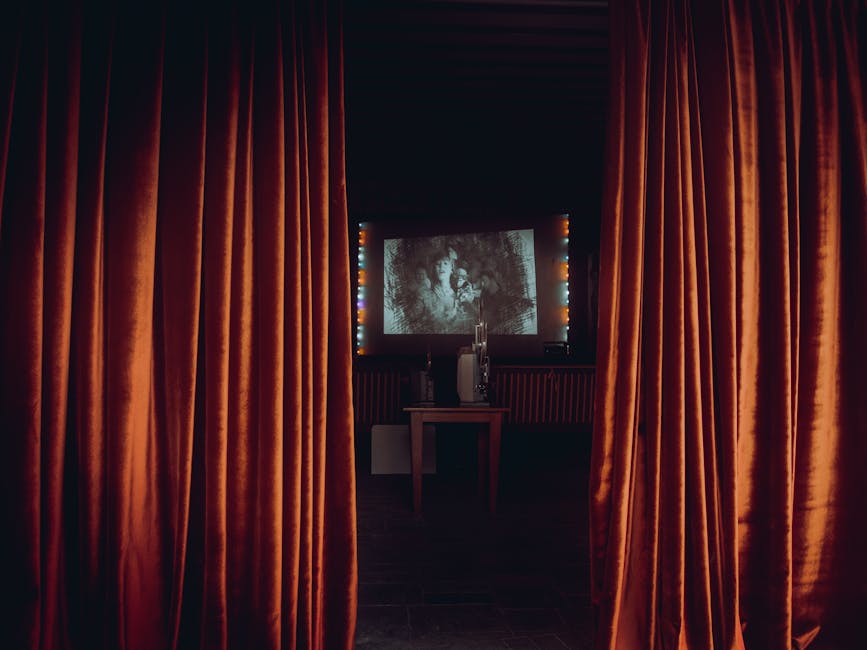
Why Velvet Curtains are Ideal for Home Theaters
Velvet is a densely woven fabric with a luxurious pile that offers several unique advantages for home theater environments:
- Complete Light Blockage: High-quality blackout velvet curtains are often triple-woven or backed with a special coating that blocks 100% of external light. This eliminates glare and reflections on your screen.
- Acoustic Dampening: The thick, plush texture of velvet absorbs sound waves, reducing echo and reverberation within the room. This leads to clearer dialogue and more accurate surround sound.
- Thermal Insulation: The density of velvet provides an extra layer of insulation, helping maintain a comfortable temperature in your home theater and potentially reducing energy costs.
- Aesthetic Appeal: Velvet exudes a classic, upscale look that complements the dark, cinematic atmosphere you want to create. Colors like deep burgundy, charcoal, navy, and black are popular choices.
___PROTECTED_1___
Key Features to Look for in Blackout Velvet Curtains
Fabric Density & Lining
The effectiveness of blackout curtains depends on the fabric's density and lining. Look for curtains labeled "100% blackout" or "room darkening." The best options have a triple-weave construction or a thick foam backing. Velvet face fabric combined with a blackout lining (often a layer of acrylic or polyester) ensures no light seeps through.
Color Options
Darker colors naturally absorb more light and help maintain the dark environment needed in a home theater. Black, charcoal gray, midnight blue, and dark aubergine are excellent choices. However, if you want a more dramatic look, deep reds and greens also work. Lighter colors may still block light if they have a proper blackout lining, but dark velvet is recommended for best results.
Size and Hanging
For maximum light blockage, curtains should extend well beyond the window frame. A good rule is to have the curtain rod at least 6–8 inches above the window and 6–12 inches wider on each side. The curtain length should puddle slightly on the floor or just kiss it. Ensure your curtain rod is sturdy enough to support the weight of heavy velvet. Grommet top or back tab styles are easy to install and provide clean folds.
Acoustic Properties
While velvet naturally absorbs sound, not all blackout curtains have acoustic ratings. Look for curtains specifically marketed as "soundproof" or "acoustic". They often have a higher weight per square meter and a tightly woven structure. A thickness of at least 200 GSM (grams per square meter) is ideal for both blackout and sound absorption. For even better results, consider adding a second layer of acoustic curtains or installing them floor-to-ceiling and wall-to-wall.
___PROTECTED_2___
Top 5 Best Blackout Velvet Curtains for Home Theater
| Product | Features | Pros | Best For |
|---|---|---|---|
| Veloura Blackout Velvet Curtain | Triple-weave velvet, foam backing, 100% blackout, 300 GSM | Ultra-soft touch, excellent light blockage, good sound absorption | Budget-friendly high performance |
| Acoustic Pro Velvet Drapes | Double-layered: velvet outer + acoustic inner, sound absorbing, thermal lined | Professional-grade acoustic properties, very heavy | Serious home theater enthusiasts |
| Luxury Cinema Velvet Curtains by DreamScreen | 100% polyester velvet with room-darkening liner, multiple sizes, grommet top | Affordable, easy to install, wide color range | Entry-level home theater setup |
| SoundSorb Velvet Blackout Panels | Heavyweight velvet, NRC 0.45 sound absorption rating, full blackout | Certified acoustic performance, elegant folds | Combining aesthetics with acoustics |
| Artisan Blackout Velvet Drapery (Custom) | Custom sizes, fire-retardant option, triple pass blackout coating | Total customization for odd windows, high-end look | Large or uniquely shaped home theaters |
How to Measure and Install Velvet Curtains for Maximum Light Blockage
Even the best blackout curtains will fail if they are improperly installed. Follow these steps to ensure a light-tight installation:
- Measure widely: The rod should extend 12–18 inches beyond the window width so you can pull curtains clear of the glass during the day and overlap them completely when closed.
- Install as high as possible: Place the rod close to the ceiling line to avoid gaps at the top. If you can, install a valance or a pelmet box to cover the top gap entirely.
- Use blackout track systems: For absolute light control, consider a ceiling-mounted curtain track with a trio of overlapping tracks or a blackout side-channel that seals the edges.
- Add weights: Some curtains come with weighted bottom hems; if not, you can sew in small weights to keep them flat and prevent light leakage from the bottom.
- Overlap in the middle: Ensure the two panels overlap by at least 4–6 inches when closed. Use magnets or Velcro strips along the center seam to seal any light gap.
Care Tips for Velvet Curtains
Velvet requires gentle maintenance to preserve its blackout and acoustic properties while looking great:
- Vacuum regularly: Use a soft brush attachment on low suction to remove dust without damaging the pile. Do this every few weeks.
- Spot clean only: Avoid machine washing unless the care tag explicitly allows it. For stains, use a mild detergent and a damp cloth, then blot (do not rub).
- Professional dry cleaning: For a deep clean, opt for professional dry cleaning. This prevents shrinkage and maintains the blackout backing integrity.
- Avoid direct sunlight: Over time, sunlight can fade velvet colors. In a home theater, this is less of an issue, but during the day, keep them closed or use a sheer layer to protect the fabric.
- Steam for wrinkles: If curtains get wrinkled, use a garment steamer on a low setting while they are hanging. Never use a hot iron directly on velvet as it will crush the pile.
Comparison: Velvet vs Other Blackout Fabrics
While velvet is a top-tier choice, other fabrics exist. Here's how they stack up for home theater use:
- Blackout Sheer Curtains: These combine a sheer outer layer with a blackout lining. They allow some light filtration when closed but are not as effective as velvet for sound absorption. Best for rooms that also serve as living spaces.
- Acoustic Curtains (non-velvet): Often made of dense felt or fiberglass blends. They offer excellent soundproofing but may lack the luxurious visual appeal and drape of velvet. They are typically thicker and heavier.
- Standard Polyester Blackout: Cheaper and easy to care for, but the fabric is less plush and may not absorb sound as well. Polyester blackout curtains are a good budget option if acoustic performance is secondary.
For the ultimate home theater experience, velvet remains unmatched because it provides both aesthetic elegance and functional benefits in one package.
Frequently Asked Questions
Do I need blackout curtains if I only watch movies at night?
Yes, because ambient light from streetlights, passing cars, or neighboring houses can still affect contrast and immersion. Blackout curtains also help with sound treatment.
How much do blackout velvet curtains cost?
Prices vary widely based on size, fabric quality, lining, and brand. Expect to pay $50–$200 per panel for ready-made options, and $300+ per panel for custom high-end drapes.
Can blackout velvet curtains be used on sliding doors?
Absolutely. Install a long curtain rod above the door and use multiple panels to cover the width. Ensure the curtains extend past the door frame to eliminate side light gaps.
Will velvet curtains collect dust in a home theater?
All fabrics attract some dust, but velvet's short pile makes it easy to vacuum. Regular maintenance will keep dust to a minimum.
Investing in high-quality blackout velvet curtains is one of the smartest upgrades you can make to your home theater. They enhance picture quality, improve sound, and add a touch of cinematic luxury. By following our guide, you'll find the perfect set to complete your media room.