Working from home has become the new normal for millions, but with it comes a common challenge: noise. Whether it's the hum of traffic, barking dogs, or family chatter, unwanted sound can destroy your focus and productivity. While you can't control your environment, you can control how sound interacts with your space. Acoustic curtains are a powerful, stylish, and cost-effective solution for reducing noise in your home office. In this guide, we’ll explore everything you need to know about choosing the best acoustic curtains for noise reduction, from how they work to installation tips and care instructions.

Understanding the Need for Acoustic Curtains in a Home Office
Your home office should be a sanctuary for concentration. But unlike traditional offices, homes aren't built with soundproofing in mind. Thin walls, hard floors, and large windows allow noise to travel freely. Acoustic curtains, also called soundproof curtains or noise-reducing drapes, are designed to absorb and block sound waves, making them an excellent addition to any home office. They not only reduce external noise but also dampen echoes within the room, improving speech clarity and reducing distractions during video calls.
___PROTECTED_1___
How Acoustic Curtains Work: The Science of Sound Absorption
Acoustic curtains don't completely silence a room—they significantly reduce noise levels by absorbing sound waves, rather than reflecting them. The key is the material's density and mass. Sound waves lose energy as they pass through heavy, multilayered fabrics. Unlike regular curtains, acoustic curtains are made from thick, tightly woven materials that trap sound. Many also feature a noise-reducing interlining or a blackout layer that adds extra mass. The effectiveness is measured by the Sound Transmission Class (STC) rating or Noise Reduction Coefficient (NRC). For home offices, look for curtains with an STC rating of 20 or higher, which can reduce noise by up to 50%.
___PROTECTED_2___
Key Features to Look for in Acoustic Curtains for Your Home Office
Material Density and Weight
Heavier fabrics like velvet, suede, or thick polyester blends are best for noise reduction. The weight per panel should be at least 200-300 grams per square meter. The denser the fabric, the more sound it blocks.
Multiple Layers
Many acoustic curtains come with multiple layers: a decorative front, a soundproofing interlining, and a blackout backing. These layers work together to trap sound and light. Triple-weave construction is ideal.
Size and Coverage
For maximum effectiveness, curtains should extend from ceiling to floor and cover the entire window, plus a few inches on each side. This prevents sound from sneaking around the edges. Consider using floor-to-ceiling tracks or extra-wide panels.
Grommet or Pleated Header
Headers that create tight seals, such as grommets or pinch pleats, reduce gaps. Avoid rod-pocket curtains that bunch up and leave openings.
Thermal and Blackout Properties
While not required for sound, blackout and thermal layers add mass and block light, which can also reduce noise transmission. Many top-rated acoustic curtains include these features.
Top Materials for Acoustic Curtains: Velvet, Blackout, and More
Not all curtain materials are created equal when it comes to sound absorption. Here are the best options:
- Velvet: Luxurious and dense, velvet is excellent for absorbing mid-range frequencies. Its plush texture traps sound effectively. Velvet acoustic curtains are perfect for home offices where aesthetics matter.
- Blackout Curtains: Many blackout curtains have a heavy foam or acrylic coating that also blocks sound. They are often more affordable and widely available, but choose those with a high GSM (grams per square meter) for better performance.
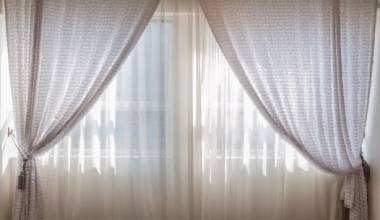
- Sheer Curtains: While lightweight, sheer curtains are not effective for noise reduction on their own. However, they can be layered with heavier drapes to create a stylish, multi-layered solution.
- Acoustic Panel Fabrics: Some curtains are specifically made from acoustic fabric, like polyester felt or fiberglass blends. These are often used in recording studios and commercial spaces but are available for home use.
- Cotton Canvas or Denim: Thick, natural fabrics like canvas or recycled denim provide good sound absorption and are eco-friendly options.
For best results, combine a heavyweight outer fabric (like velvet) with a blackout lining. This layered approach maximizes both sound absorption and style.
Recommended Acoustic Curtains for Home Office Noise Reduction
Here is a comparison of top-rated acoustic curtain types based on material, noise reduction capability, and price point:
| Curtain Type | Material | Noise Reduction | Best For | Price Range |
|---|---|---|---|---|
| Velvet Soundproof Curtains | 100% polyester velvet with blackout lining | High (STC ~25) | Professional home offices, video calls | $$$ |
| Triple-Weave Blackout Curtains | Polyester with foam interlining | Medium-High (STC ~20) | Budget-friendly, multi-purpose | $$ |
| Acoustic Panel Drapes | Fiberglass or felt composite | Very High (STC ~30) | Severe noise problems, recording | $$$$ |
| Recycled Denim Curtains | Thick cotton denim | Medium (STC ~18) | Eco-conscious users | $$$ |
Note: Actual noise reduction depends on installation and room factors.
Installation Tips for Maximum Noise Reduction
Proper installation is just as important as the curtains themselves. Follow these tips to get the best soundproofing performance:
- Mount the curtain rod as close to the ceiling as possible. Floor-to-ceiling curtains eliminate gaps at the top where sound can leak.
- Extend the rod well beyond the window frame. Install the brackets at least 6–8 inches outside the window on each side. This allows the curtains to cover the entire window area and absorb sound from surrounding walls.
- Use a continuous header track or wrap-around rod. A track system creates a seamless seal, while a rod that wraps around the window (like a curtain track with a 90-degree bend) prevents sound from sneaking around the edges.
- Layer curtains over blinds. Adding blinds or cellular shades underneath provides an extra air gap and sound barrier. This combination can increase noise reduction by 10–15%.
- Seal gaps with weatherstripping. If there are gaps between the wall and the curtain rod, use adhesive weatherstripping or foam tape to seal them. Also, consider a door sweep if the curtain is near a door.
- Add a cornice or valance. A fitted cornice at the top of the curtains prevents sound from passing over the rod and adds a finished look.
Caring for Your Acoustic Curtains to Maintain Performance
Acoustic curtains are an investment, so proper care ensures they continue to block noise effectively. Always follow the manufacturer’s care instructions, but here are general guidelines:
- Vacuum regularly using a soft brush attachment to remove dust, which can clog the fabric pores and reduce sound absorption.
- Spot clean stains immediately with a mild detergent and water. Avoid harsh chemicals that can damage the coating.
- Machine wash only if labeled. Many acoustic curtains are dry clean only due to their linings. If machine washable, use cold water and gentle cycle, then hang dry. Do not wring or spin dry.
- Avoid fabric softeners. They can leave residue that reduces the fabric’s sound-absorbing properties.
- Re-hang after cleaning to ensure proper fit. If curtains shrink or bunch, the gaps may allow noise through.
- Replace when performance drops. Over time, fabric can degrade. If you notice increased noise levels, it may be time for new curtains.
Additional Tips for Noise Control in Your Home Office
While acoustic curtains are highly effective, combining them with other soundproofing methods can create a quieter workspace:
- Add a rug or carpet: Hard floors reflect sound, while plush rugs absorb it. Place a thick, dense rug under your desk area.
- Use bookshelves as sound barriers: A wall of books acts as a natural sound absorber. Place a bookshelf against the shared wall.
- Install acoustic panels: For extreme noise, adding foam panels on walls can complement curtains. Place them at ear level opposite the noise source.
- Seal air gaps: Check for drafts under doors and around windows. Use door sweeps and caulk to seal leaks.
- White noise machine or fan: These can mask intermittent noises and create a consistent background sound.
- Position your desk away from noise sources: If your window faces a busy street, place your desk against an interior wall instead.
Conclusion
Investing in the best acoustic curtains for your home office is a smart move toward productivity and peace. By choosing the right materials, ensuring proper installation, and maintaining them well, you can significantly reduce distracting noise. Remember, no curtain can make a room completely soundproof, but high-quality acoustic curtains can transform a noisy environment into a focused workspace. Take the time to measure your windows, consider your specific noise issues, and select curtains that match your style and budget. Your ears—and your work—will thank you.