Bay windows add architectural charm and natural light to any room, but they also present unique challenges when it comes to light control. Blackout curtains for bay windows require careful selection to ensure a perfect fit, maximum darkness, and aesthetic harmony. Follow these 7 essential tips to choose the best blackout curtains for your bay window.
1. Measure Each Section Individually
Bay windows typically consist of three or more angled panes. Even if the sections appear identical, small variations in width and height are common. Use a steel tape measure to measure the width and height of each window section separately—at the top, middle, and bottom. Record the narrowest width and shortest height for each section to ensure your curtains will not gap or drag on the sill.
For a tailored look, consider ordering custom-made blackout curtains. Off-the-shelf options often require compromises, such as using multiple rods or valances to hide mismatched lengths. Customization guarantees seamless coverage and a professional finish, especially for non-standard bay window angles.
2. Choose the Right Mounting Hardware
Standard straight curtain rods cannot navigate angled bay windows. You need a flexible track system or corner-connect rods designed for bay windows. Options include ceiling-mounted tracks that follow the angle, or individual rods meeting at custom corner joints. Ceiling tracks are ideal for floor-to-ceiling blackout curtains because they eliminate light gaps at the top.
If you prefer a more traditional look, select adjustable bay window rods with bracket systems that allow each section to be mounted independently. Ensure the brackets are sturdy enough to support the weight of blackout curtains, which are often heavier than sheer fabrics. For added light blockage, consider a layered approach with a blackout liner behind decorative curtains.
3. Select the Best Blackout Fabric for Your Needs
Blackout curtains come in various fabrics, each offering different levels of light blockage, texture, and insulation. The most common options are:
| Fabric Type | Light Blockage | Best For |
|---|---|---|
| Triple-weave polyester | 100% | Bedrooms, home theaters |
| Velvet | 90-100% | Luxury rooms, sound insulation |
| Cotton with blackout lining | 85-95% | Living rooms, moderate light control |
| Acoustic blackout fabrics | 95-100% | Noise reduction in urban settings |
Velvet provides excellent blackout properties along with acoustic insulation, making it a popular choice for bay windows in bedrooms. For a lighter feel, opt for polyester blends that still achieve near-total darkness. If energy efficiency is a priority, look for curtains with thermal backing that also block light.
4. Consider the Curtain Heading Style
The heading (top part) of your curtain affects how it hangs and how much light leaks. For bay windows, grommet-top or back-tab curtains are often recommended because they slide easily and create neat folds. Grommet tops work well with standard rods but may allow some light through the openings. Back-tab curtains conceal the rod and reduce light leakage.
For maximum darkness, choose curtains with a tunnel or rod pocket heading that fully encases the rod. Alternatively, use a track system with gliders for a pinch-pleated look that offers complete blackout when closed. Avoid tab-top or ring-top designs for bay windows, as the exposed rod can create light gaps at the top.
5. Pay Attention to Length and Drop
Blackout curtains should extend at least 2-3 inches beyond the window frame on each side, and the length should reach the floor or slightly puddle for a dramatic effect. For bay windows, ensure the curtains on the side sections do not block the angled corners when fully drawn. A common mistake is selecting curtains that are too short, leaving a strip of light at the bottom.
If your bay window has a built-in seat or low sill, consider sill-length curtains that stop just above the seat. For full blackout, anyway, floor-length curtains are more effective. Use tiebacks to keep curtains open during the day without obstructing the view.
6. Layer with Sheer Curtains for Versatility
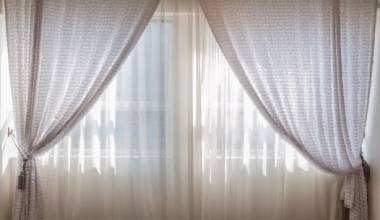
Blackout curtains alone can feel heavy in a room with bay windows. Layering with sheer curtains allows you to enjoy natural light while maintaining privacy and a softer aesthetic. Install a separate rod or track for sheers behind the blackout curtains, or choose a dual-track system that supports both layers.
During the day, draw the sheers to filter harsh sunlight while keeping your space bright. At night, close the blackout curtains for complete darkness. This combination also improves thermal efficiency by adding an extra air pocket between layers. Sheer curtains in neutral tones complement any blackout fabric color.
7. Test Light Blockage and Install Properly
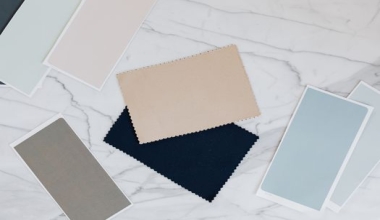
Before finalizing your purchase, order fabric swatches and hold them up to your bay window at different times of the day. Some fabrics labeled “blackout” may still allow light seepage, especially around the edges. Pay special attention to the material’s ability to block light along the folds and seams.
Professional installation is recommended for bay windows to ensure tracks are perfectly aligned and brackets are securely anchored. Use touch-fastener (Velcro) strips along the sides and bottom edges if light gaps persist. Consider a valance or cornice to hide hardware and block light from the top. With proper installation, your bay window will become a dark, tranquil retreat.