Introduction
Heating and cooling costs account for a significant portion of household energy bills. Homeowners often face the dilemma of investing in thermal blackout curtains or upgrading traditional insulation to improve energy efficiency. This guide provides a comprehensive cost comparison between thermal blackout curtains and regular insulation, helping you make an informed decision based on your budget, needs, and property type.
___PROTECTED_1___
Understanding Thermal Blackout Curtains
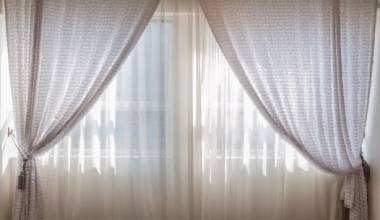
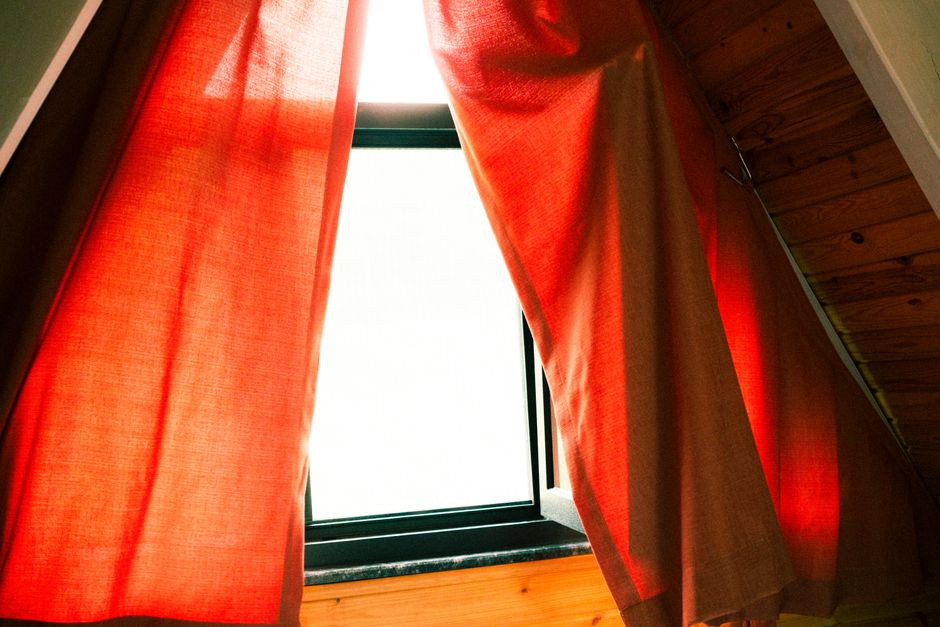
Thermal blackout curtains are window treatments made from multiple layers of fabric, often including a dense foam backing or a reflective layer. They block sunlight, reduce heat transfer, and provide sound dampening. Their primary function is to create a barrier between the window glass and the room, reducing heat loss in winter and heat gain in summer.
Key features include: R-values typically ranging from 0.5 to 1.5, easy installation without structural changes, and versatility in design and color.
___PROTECTED_2___
Understanding Regular Insulation
Regular insulation refers to materials installed within walls, attics, floors, and roofs to slow heat transfer. Common types include fiberglass batts, spray foam, cellulose, and rigid foam boards. Insulation is measured by R-value per inch, with fiberglass offering 2.2–4.3 per inch and spray foam up to 6.5 per inch. Unlike curtains, insulation requires professional installation in most cases and is a permanent building component.
Upfront Cost Comparison
The initial investment varies significantly between the two options. Below is a comparison of average costs per square foot for materials and installation.
| Option | Material Cost (per sq ft) | Installation Cost (per sq ft) | Total Cost (per sq ft) |
|---|---|---|---|
| Thermal Blackout Curtains | $5–$15 | $0 (DIY) to $3 (professional hanging) | $5–$18 |
| Fiberglass Batt Insulation | $0.50–$1.50 | $1–$2 | $1.50–$3.50 |
| Spray Foam Insulation | $1.50–$4 | $1–$3 | $2.50–$7 |
Note: Curtain costs cover the entire window area, while insulation costs are for the wall cavity. For an average 12-window home (120 sq ft of window), curtains cost $600–$2,160. Insulating a typical 1,500 sq ft attic can cost $2,250–$5,250.
Installation Costs
Thermal Blackout Curtains
Installation is DIY-friendly: measure windows, mount curtain rods, and hang panels. No specialized skills required. Professional installation (e.g., for motorized or custom curtains) adds $50–$150 per window. Most homeowners can install them in a weekend with minimal tools.
Regular Insulation
Insulation installation often requires professional contractors, especially for spray foam or blown-in cellulose. Fiberglass batts can be DIY for attics with standard joist spacing, but safety gear (mask, goggles) is necessary. Professional installation costs $0.50–$2 per sq ft for fiberglass, higher for spray foam.
Energy Savings Over Time
R-value is the key metric for efficiency. A single-pane window has an R-value of about 1. Thermal blackout curtains add ~1 R-value, effectively doubling window insulation. High-quality curtains can reduce heat loss by 25% according to the U.S. Department of Energy.
In contrast, adding R-30 attic insulation to an uninsulated home can reduce heating costs by up to 20–30% annually.
Estimated annual savings for a typical home:
| Upgrade | Average Annual Savings | Payback Period |
|---|---|---|
| Thermal Blackout Curtains (all windows) | $100–$200 | 3–10 years |
| Attic Insulation (R-30) | $200–$600 | 2–5 years |
| Wall Insulation (retrofit) | $300–$800 | 5–12 years |
Curtains provide immediate savings but lower overall impact, while insulation offers higher absolute savings over time.
Lifespan and Maintenance Costs
Thermal blackout curtains last 5–10 years with proper care (machine washable, fade-resistant). Replacement cost is moderate.
Insulation lasts 20–30 years or more, with no maintenance. However, it can settle over time, reducing effectiveness. Some types (e.g., spray foam) are more durable but cost more upfront.
When to Choose Curtains Over Insulation
- Renters who cannot modify property.
- Temporary solutions for drafty windows.
- Homes with already well-insulated walls but poor windows.
- Budget constraints requiring low upfront investment.
- Desire for decorative flexibility and light control.
When to Choose Insulation Over Curtains
- Permanent energy efficiency improvements.
- Homes with minimal existing insulation (attics, walls).
- New construction or major renovations.
- Higher upfront capital available for long-term savings.
- Focus on whole-house energy performance.
Combined Approach for Maximum Efficiency
The most cost-effective strategy is to optimize insulation first, then add thermal curtains for windows. This combination can yield 30–50% reduction in heating/cooling costs. For example, insulating an attic to R-38 and covering windows with thermal curtains provides both a thermal barrier and immediate comfort.
Practical tip: Use curtains on south- and west-facing windows to reduce solar heat gain in summer, while insulation handles overall envelope losses.
Conclusion
Thermal blackout curtains are a low-cost, flexible solution for immediate energy savings and comfort, with a typical payback period of 3–10 years. Regular insulation, while more expensive upfront, offers higher long-term returns and is essential for overall home efficiency. For most homeowners, a layered approach—starting with insulation and supplementing with curtains—provides the best balance of cost and performance. Carefully evaluate your home’s needs, budget, and timeline before deciding.