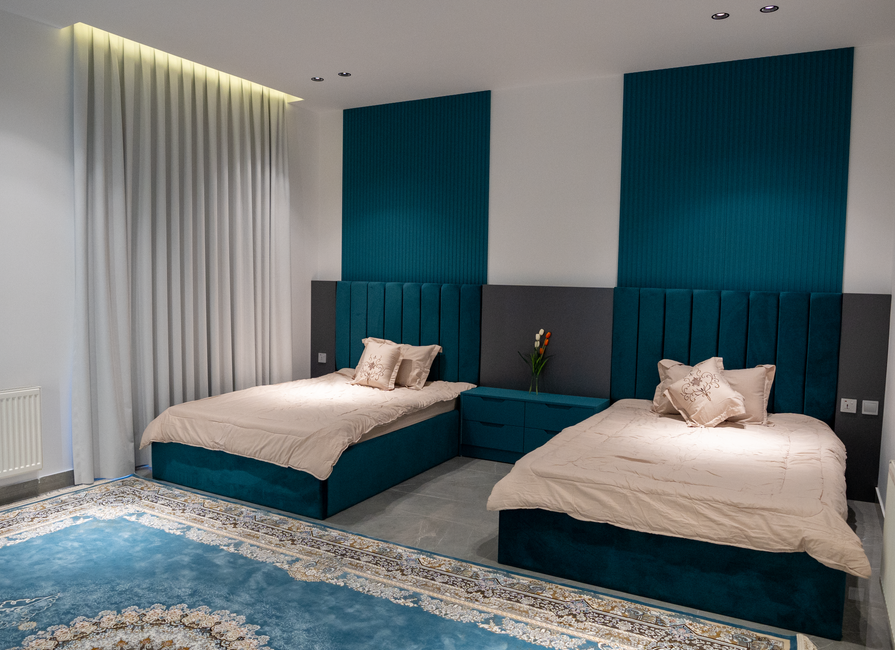
1. Enhanced Guest Comfort and Privacy
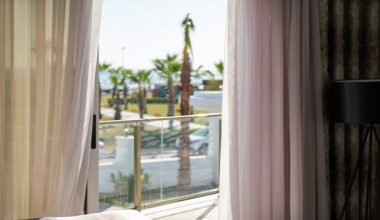
Motorized curtains allow hotel guests to adjust lighting and privacy with the simple push of a button or through a voice command. This eliminates the need to manually pull heavy drapes, which can be especially challenging for guests with disabilities or those staying in high-floor rooms with complex window treatments. By offering seamless control, hotels can significantly improve the guest experience and satisfaction scores.
Furthermore, motorized systems can be integrated with smart room controls, enabling guests to program curtains to open at sunrise for a gentle wake-up or close automatically at night for complete privacy. This level of personalization is a hallmark of premium hospitality and can be a deciding factor for travelers choosing between competing hotels.
___PROTECTED_1___
2. Energy Efficiency and Cost Savings
Motorized curtains can be programmed to respond to sunlight and room occupancy, reducing heating and cooling loads. For example, during hot summer afternoons, curtains can automatically close to block solar heat gain, easing the burden on air conditioning systems. In winter, they can open during the day to let in passive solar warmth and close at night to retain heat.
Studies show that automated shading can cut energy costs by up to 30% in commercial buildings. For a hotel with hundreds of rooms, this translates to substantial annual savings. Many modern systems also include sensors that adjust based on outdoor temperature and light intensity, further optimizing energy use without sacrificing guest comfort.
___PROTECTED_2___
3. Increased Operational Efficiency
Housekeeping and maintenance teams can benefit from centralized motorized curtain controls. Instead of manually opening and closing curtains during room inspections, staff can operate all window treatments from a tablet or central panel. This saves time and reduces wear and tear on the fabric and hardware.
Additionally, motorized systems can be linked to the hotel’s property management system. When a room is checked out, curtains can automatically open to signal readiness for cleaning, and close after service to maintain privacy. Such automation streamlines workflows and allows staff to focus on higher-value tasks.
4. Enhanced Safety and Accessibility
Traditional curtain cords and chains pose entanglement hazards, especially for children and pets. Motorized curtains eliminate these risks entirely, making them an ideal choice for family‑friendly hotels or properties seeking to meet strict safety regulations. Likewise, for elderly or disabled guests, motorized controls remove the physical exertion required to operate heavy drapes.
Beyond physical safety, motorized systems can be integrated with fire alarm and security systems. In an emergency, curtains could be programmed to open automatically to facilitate evacuation or to signal for help. This added layer of protection can be a strong selling point for safety‑conscious travelers and insurance providers.
5. Premium Aesthetic and Customization
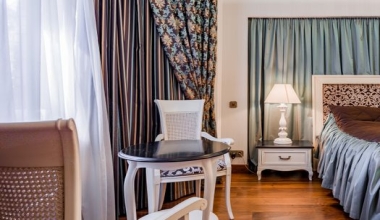
Motorized curtains offer a sleek, clutter‑free look without dangling cords or wands. They can be installed behind valances or within ceiling pockets for a fully integrated design that complements modern hotel interiors. The smooth, silent operation enhances the sense of luxury and sophistication.
Hotels can also choose from a wide range of fabrics—blackout, sheer, velvet, or acoustic—and program curtains to create specific moods for lobbies, restaurants, and guest rooms. For instance, sheer curtains can be programmed to billow gently during daytime receptions, while blackout drapes can be used for a movie theater atmosphere in guest suites.
6. Noise Reduction and Acoustic Comfort
Heavy motorized curtains, especially those made of velvet or acoustic fabrics, can significantly dampen outside noise—a critical benefit for hotels near busy streets, airports, or event spaces. When combined with programmable closing schedules, curtains can automatically seal windows at night to minimize disturbances and improve sleep quality.
Acoustic curtains, often layered with dense linings, can reduce sound transmission by up to 50%. Motorized controls ensure these heavy drapes are deployed consistently and correctly every time, avoiding gaps that would compromise noise isolation. This feature is particularly valued by business travelers and guests attending conferences.
7. Enhanced Property Value and Marketability
Installing motorized curtains elevates a hotel’s technological profile, making it more attractive to tech‑savvy guests and corporate clients. Many booking platforms now highlight smart amenities, and motorized window treatments are a visible differentiator. Hotels can promote this feature in marketing materials and on websites to justify premium rates.
Moreover, motorized systems can increase a property’s resale value by modernizing infrastructure without major renovations. They also reduce maintenance costs over time, as motorized components often outlast manual hardware. The return on investment, when factoring energy savings and enhanced guest loyalty, typically surpasses the initial installation cost within three to five years.