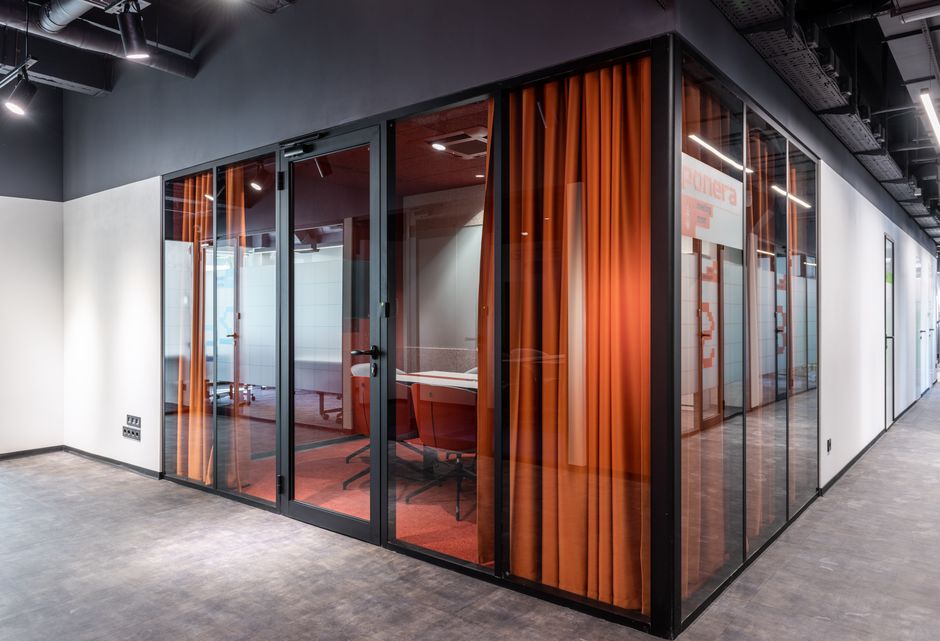
Introduction: The Office Noise Problem
In modern open-plan offices, noise is one of the top complaints. From chatter and phone calls to the hum of HVAC systems and clacking keyboards, excessive noise reduces productivity by up to 66% and increases stress levels. While many solutions exist—from sound masking to modular furniture—acoustic curtains have emerged as a cost-effective, flexible, and aesthetically pleasing option. This case study examines how a mid-sized tech company implemented acoustic curtains to reduce reverberation time and improve speech privacy, achieving a 45% reduction in noise annoyance scores.
___PROTECTED_1___
How Acoustic Curtains Reduce Office Noise
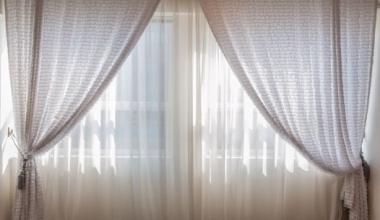
Acoustic curtains are specially designed fabric panels that absorb, block, and dampen sound. Unlike regular drapes, they use dense, multi-layered materials—often a combination of mass-loaded vinyl (MLV), fiberglass, and velvet or felt—to achieve higher sound transmission class (STC) and noise reduction coefficient (NRC) ratings. The key mechanisms are:
- Absorption: Porous materials trap sound wave energy, converting it into heat.
- Blocking: Mass prevents sound from passing through the fabric.
- Damping: Friction within layers reduces vibration.
For offices, the goal is not complete silence but reducing reverberation (echo) and controlling sound propagation. Acoustic curtains with an NRC of 0.75 or higher and an STC of 25+ are effective for typical office environments.
___PROTECTED_2___
Case Study Overview: TechCorp's Open-Plan Challenge
TechCorp, a 150-employee software company, occupied a 20,000 sq ft open-plan office in a converted warehouse. The space featured exposed brick, polished concrete floors, and high ceilings (14 ft). Employees reported difficulty concentrating, especially in the development wing where pair programming and meetings occurred. Pre-intervention noise measurements showed an average reverberation time (RT60) of 1.8 seconds at mid-frequencies, and a speech intelligibility index (SII) of 0.7 (too high for private conversations).
Solution: Zoned Acoustic Curtain Installation
TechCorp chose custom acoustic curtains with a 3-pass construction: a velvet front (for aesthetics), a 2 lb/sq ft MLV middle layer, and a blackout backing. The curtains were installed on ceiling-mounted curved tracks to create semi-enclosed pods for collaboration areas and to line walls near workstations. Key specifications:
| Property | Value |
|---|---|
| Fabric weight | 14 oz/sq yd |
| NRC | 0.85 |
| STC | 28 |
| Flame spread | Class A |
| Color | Charcoal grey with light green accents |
The installation covered approximately 2,500 sq ft of wall area and created 6 flexible zones.
Results: Measurable Noise Reduction
After installation, TechCorp conducted post-intervention measurements over two weeks. The results were impressive:
- RT60 dropped from 1.8 s to 0.6 s (a 67% reduction).
- Background noise level decreased by 8 dB(A) (from 52 dB to 44 dB).
- Speech privacy improved, with SII reducing to 0.25.
- Employee noise annoyance scores (on a 1-10 scale) fell from 7.2 to 3.9.
Additionally, productivity metrics: average code commits increased by 22%, and employee satisfaction surveys related to workspace comfort improved by 35%.
Cost-Benefit Analysis
The total investment was $45,000 (including installation). Compared to building permanent walls ($120,000+) or upgrading HVAC ($60,000), the curtains offered a rapid, reversible solution. The estimated payback period from productivity gains was 8 months.
Practical Tips for Specifying Office Acoustic Curtains
Based on the TechCorp case and industry best practices, here are actionable recommendations:
- Choose appropriate NRC/STC: For open offices, target NRC ≥0.8, STC ≥25. For private offices, STC ≥30.
- Consider fabric type: Velvet and felt have higher absorption than polyester satin. Blackout linings add mass but check breathability.
- Go floor-to-ceiling: Gaps above or below drastically reduce effectiveness—use ceiling tracks or overlap headers.
- Layer with other materials: Acoustic curtains work best when combined with carpet, ceiling tiles, and upholstered furniture.
- Test before full install: Rent or borrow samples; measure RT60 in a small area first.
- Prioritize fire safety: Ensure fabrics meet local flame spread codes (e.g., NFPA 701).
Installation and Maintenance
Professional installation is recommended for large projects. Curtains should be hung with a 2:1 fullness ratio (twice the width of the area) for optimal sound absorption. Dry cleaning is preferred; avoid washing MLV layers. Vacuum with a soft brush attachment monthly to prevent dust buildup that can degrade NRC.
Comparison of Acoustic Curtains vs. Other Solutions
| Solution | Cost (per sq ft) | NRC | STC | Flexibility |
|---|---|---|---|---|
| Acoustic curtains | $15–30 | 0.7–0.95 | 20–30 | High (adjustable) |
| Acoustic panels | $20–50 | 0.8–1.0 | 25–40 | Moderate (fixed) |
| Sound masking | $1–3/sq ft (system) | 0 | 0 | High (electronic) |
| Glass partitions | $40–100 | 0.1 | 30–50 | Low (permanent) |
Note: Curtains offer the best balance of cost, flexibility, and acoustic performance for temporary or changing spaces.
Conclusion: Transform Your Office with Acoustic Curtains
The TechCorp case demonstrates that acoustic curtains are not just an affordable fix—they are a strategic investment in workplace well-being and efficiency. By choosing high-quality materials, proper installation, and coupling with other acoustic treatments, any office can significantly reduce noise distractions. Whether you're retrofitting an existing space or designing a new one, consider acoustic curtains as your first line of defense against noise.
Ready to start your office noise reduction project? Contact our experts for a free consultation and fabric sample kit.