Classrooms are vibrant learning environments, but excessive noise can hinder concentration and academic performance. Acoustic curtains offer a practical solution to reduce reverberation, absorb sound, and create a more focused atmosphere. This comprehensive guide explores how acoustic curtains work, their benefits, selection criteria, installation tips, and maintenance to help educators and administrators make informed decisions.
Understanding the Noise Problem in Classrooms
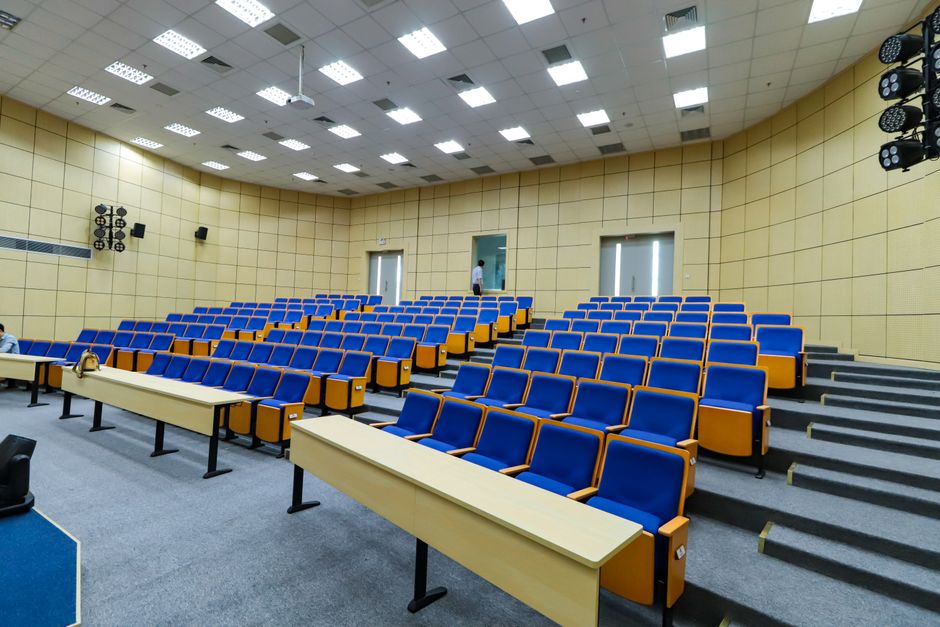
Modern classrooms often feature hard surfaces like tile floors, glass windows, and drywall, which reflect sound waves and create echo. Background noise from HVAC systems, hallway traffic, and adjacent rooms further distracts students. Research shows that high noise levels impair speech intelligibility, increase stress, and reduce reading comprehension. According to the World Health Organization, ideal classroom noise levels should be below 35 decibels, but typical levels range from 40-60 dB(A). Acoustic curtains help mitigate these issues by absorbing sound energy rather than reflecting it.
Common Noise Sources in Classrooms
- External traffic and playground sounds
- HVAC systems and mechanical equipment
- Chatter from adjacent classrooms or hallways
- Reverberation from hard surfaces
- Audio-visual equipment and instruments
___PROTECTED_1___
How Acoustic Curtains Work
Acoustic curtains are made from dense, multilayered fabrics designed to absorb sound waves. Unlike standard drapes, they incorporate mass-loaded vinyl (MLV) or felted layers that trap sound energy. The Noise Reduction Coefficient (NRC) measures how much sound a material absorbs, with values from 0 (complete reflection) to 1 (complete absorption). For classrooms, an NRC of 0.6 or higher is recommended. Curtains also provide a Sound Transmission Class (STC) rating for blocking sound between rooms, though they are most effective for absorption.
Key Acoustic Properties
| Property | Description | Classroom Target |
|---|---|---|
| NRC | Absorption coefficient | 0.6 - 0.9 |
| STC | Transmission loss through curtain | 20 - 30 (supplemental) |
| Fire Rating | Flame spread compliance | Class A (ASTM E84) |
___PROTECTED_2___
Key Benefits of Acoustic Curtains for Educational Settings
Improved Speech Intelligibility
By reducing reverberation, acoustic curtains help students hear teachers more clearly, especially those with hearing impairments or learning difficulties. This leads to better comprehension and participation.
Enhanced Focus and Academic Performance
A study in the Journal of Educational Psychology found that students in quieter classrooms scored 20% higher on reading tests. Acoustic curtains minimize auditory distractions, allowing students to concentrate on tasks.
Flexibility and Aesthetics
Curtains can be opened or closed as needed, adapting to different activities (e.g., group work vs. lectures). They come in various colors and textures to match classroom decor.
Cost-Effective Compared to Structural Changes
Acoustic panels and ceiling treatments require professional installation, while curtains are easier and cheaper to deploy. They also provide thermal insulation, reducing energy costs.
Choosing the Right Acoustic Curtain Fabric
Select fabric based on acoustic performance, durability, and safety. Look for heavy, multi-layer materials with high weight per square yard (e.g., 16-20 oz/yd²). Common options include:
- Velvet: Excellent sound absorption due to dense pile; luxurious feel but may collect dust.
- Blackout Lining: Adds mass; combine with acoustic layer for dual light and sound control.
- Felted Polyester: High NRC (up to 0.85); durable and easy to clean.
- Sheer Acoustic: Lightweight with moderate absorption; good for diffusing noise while maintaining brightness.
Important Specifications
| Specification | Importance |
|---|---|
| Fire Retardancy | Mandatory for school compliance (NFPA 701 or equivalent) |
| Light Blocking | Optional for AV rooms; blackout backing helps |
| Washability | Machine-washable or dry clean; stain resistance |
Installation Tips for Maximum Effectiveness
Proper installation ensures optimal acoustic performance. Key guidelines:
- Full Coverage: Curtains should extend from ceiling to floor and slightly beyond window frames to prevent sound leakage.
- Pleating and Gaps: Use a track system with tight pleats to minimize gaps between panels. Avoid grommet tops that leave gaps.
- Overlap with Walls: For sound isolation, install curtains on walls rather than just windows. Place them 6-12 inches from the wall to create an air gap that enhances absorption.
- Multiple Layers: In extreme noise environments, use two layers: a thick acoustic curtain plus a blackout liner.
Placement Strategies
Focus on walls with the most reflection (e.g., rear wall opposite blackboard). Cover at least 30% of the wall surface area for noticeable improvement. For corner classrooms, treat both exterior and interior walls.
Maintenance and Care
To preserve acoustic properties, regular cleaning is essential. Dust accumulation reduces NRC over time. Follow manufacturer instructions:
- Vacuum Weekly: Use a brush attachment to remove surface dust.
- Spot Clean: Blot spills immediately with mild detergent.
- Professional Cleaning: Some fabrics require dry cleaning every 1-3 years.
- Inspect for Damage: Check for tears or loose hems that compromise sound coverage.
Cost Considerations and ROI
Acoustic curtains range from $30 to $100 per panel depending on size, fabric quality, and acoustic rating. Installation costs are minimal. Compared to acoustic panels ($50-$200 per sq ft), curtains offer a budget-friendly alternative. The return on investment includes improved test scores, reduced teacher voice strain, and lower energy bills.
Sample Budget Breakdown
| Item | Estimated Cost |
|---|---|
| 4 acoustic curtain panels (72"x84") | $200 - $400 |
| Track system (10 ft) | $50 - $100 |
| Installation (DIY) | $0 |
| Professional installation | $100 - $200 |
Conclusion
Acoustic curtains are a versatile and cost-effective solution for classroom noise problems. By absorbing excess sound, they create a calmer learning environment that enhances focus and academic outcomes. When selecting curtains, prioritize NRC ratings, fire safety, and proper installation. With minimal maintenance, these curtains can serve classrooms for years, making them a smart investment for any educational institution.