1. Sound Absorption Efficiency
When comparing acoustic curtain fabric and acoustic panels, one of the most critical factors is how well they absorb sound. Acoustic curtain fabrics are typically made from dense, multi-layered materials like velvet or heavy polyester blends. These fabrics absorb mid-to-high frequency sounds effectively, reducing echo and reverberation in a room. However, they may struggle with low-frequency noises, which require more mass or specialized structures.
Acoustic panels, on the other hand, are engineered specifically for sound absorption. They often consist of compressed mineral wool or foam wrapped in fabric, with depths ranging from 1 to 4 inches. This design allows them to absorb a wider range of frequencies, including lower bass tones. In independent tests, panels frequently achieve higher Noise Reduction Coefficients (NRC) than curtains of comparable thickness.
For spaces where precise acoustic control is paramount, such as recording studios or home theaters, panels usually outperform curtains. Yet for general noise reduction in open-plan offices or restaurants, high-quality acoustic curtains can provide sufficient absorption while adding aesthetic value.
___PROTECTED_1___
2. Installation Complexity
Acoustic curtains are relatively easy to install. They hang from standard curtain rods or tracks, much like traditional drapes, and can be mounted on existing windows or freestanding tracks. Installation typically requires no special tools or professional help, making them a DIY-friendly option. However, for optimal performance, curtains must extend beyond the window frame and touch the floor to minimize sound leaks.
Acoustic panels demand more planning and labor. Panels are mounted directly to walls or ceilings using brackets, adhesive, or a suspended grid system. Precise placement is crucial to maximize sound absorption, and improper installation can lead to air gaps that reduce effectiveness. While some panels come with simple mounting kits, large-scale installations often benefit from professional assessment.
The trade-off is clear: curtains offer quick, reversible solutions, while panels provide permanent, high-performance acoustics. For renters or temporary spaces, curtains are the obvious choice; for dedicated listening rooms or offices, panels justify the extra effort.
___PROTECTED_2___
3. Aesthetic Flexibility
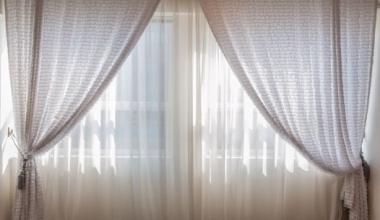
Acoustic curtain fabrics come in a vast array of colors, patterns, and textures. From sheer blackout options to rich velvet finishes, they can complement any interior design theme. Curtains also soften the look of a room, adding warmth and fabric that contrasts with hard surfaces. They can be layered with blackout linings for dual functionality.
Acoustic panels historically had a utilitarian appearance, but modern designs offer customization. Panels can be covered with printed fabrics, shaped into hexagons or geometric forms, and even incorporate artwork. However, their rigid structure and thickness can make them stand out as specific acoustic treatments rather than organic decor.
If seamless integration is your goal, curtains blend easily with existing window treatments. If you want a statement piece or a modern industrial aesthetic, panels offer bold design opportunities. Both options can be tailored, but curtains provide more traditional decorating versatility.
4. Cost Considerations
Budget often dictates the choice between fabrics and panels. Acoustic curtain fabric is generally more affordable, with costs ranging per linear foot based on material density and brand. A full window treatment may cost a few hundred dollars. Installation is minimal, so overall expense is lower.
Acoustic panels are pricier per square foot. Custom sizes, high-performance cores, and designer fabrics can drive costs up significantly. Professional installation adds to the total. For a single wall treatment, panels might cost several hundred to thousands of dollars.
Long-term value depends on the space. In a conference room requiring professional acoustics, panels are a worthwhile investment. In a living room needing moderate noise control, curtains offer a cost-effective solution without sacrificing style. Always consider the return on acoustic performance against initial outlay.
5. Space Requirements
Acoustic curtains require floor space and wall area for stacking. They typically need to be drawn to allow natural light, which can be problematic in tight areas. Curtains also need clearance from windows to create the air gap that aids sound absorption.
Acoustic panels are space-efficient. They mount flush against walls or ceilings, leaving floor area free. Panels can be installed in corners or on doors, maximizing every square inch. For small rooms with limited square footage, panels are often superior because they do not intrude on usable space.
If your room is already crowded with furniture, panels allow you to treat acoustics without sacrificing floor area. Conversely, if you have ample wall space and want to add texture, curtains can serve both decorative and functional roles.
6. Maintenance and Durability
Acoustic curtain fabrics accumulate dust and require regular cleaning. Most can be vacuumed with brush attachments or dry-cleaned, depending on the material. Velvet and heavy fabrics may fade if exposed to direct sunlight, so lining treatments are recommended. Curtains are also susceptible to tears and wear from constant handling.
Acoustic panels are low maintenance. Their fabric covering is usually treated to resist dust and can be spot-cleaned. The core material (like fiberglass or foam) is long-lasting and does not sag. Panels are sturdy and can withstand years of use without visible deterioration.
For high-traffic areas like classrooms or call centers, panels offer greater durability and simpler care. In residential settings where curtains can be laundered seasonally, fabrics are a manageable choice. Consider the cleaning ease and lifespan when deciding.
7. Thermal Insulation Bonus
One advantage of acoustic curtains is their ability to provide thermal insulation. The dense fabrics and multiple layers block drafts and reduce heat loss through windows, lowering energy bills. Some curtains are specifically designed as both acoustic and blackout, enhancing comfort.
Acoustic panels primarily target sound, but they do offer minor thermal benefits by adding an extra layer on walls. However, their thinness (typically 1-2 inches) provides negligible R-value. They are not intended for temperature regulation.
If you want a dual-purpose solution that improves both acoustics and energy efficiency, curtains are the better all-in-one. For sound-focused projects where thermal performance is secondary, panels suffice. Combining both can maximize benefits but at higher cost.
8. Application Suitability
Choose acoustic curtains for spaces where noise is intermittent and absorption of mid-to-high frequencies is enough. Examples include open offices wanting reduced chatter, restaurants with hard surfaces, or bedrooms needing quieter sleep. Curtains also work well in multi-purpose rooms where flexibility is key.
Acoustic panels excel in environments demanding precise acoustics: recording studios, home theaters, lecture halls, and conference rooms. They are essential where low-frequency control and high NRC ratings are non-negotiable. Panels can be strategically placed to target specific sound reflection points.
In commercial settings like gymnasiums or auditoriums, a combination of both often yields the best results—curtains on windows for ambient absorption and panels on walls for critical zones. Evaluate the primary acoustic goal before committing.
9. Customization and DIY Potential
Acoustic curtain fabrics allow easy DIY customization: you can sew your own panels, choose any fabric, and adjust widths and lengths. Decorative trims and linings can be added. This makes it simple to match existing decor without restrictions.
Acoustic panels require more specialized construction. While some DIYers build their own using rockwool and fabric, the result may not match professional performance. Many manufacturers offer custom sizes, colors, and fabric choices, but lead times and costs increase.
If you enjoy hands-on projects and want total creative control, curtains offer a more accessible path. If you prefer plug-and-play precision and are willing to invest, ready-made panels deliver consistent acoustics.
10. Final Verdict: Which Is Better?
There is no one-size-fits-all answer. Acoustic curtain fabric is better when you need a budget-friendly, aesthetically flexible, and easily installable solution for general noise reduction. It also provides thermal insulation and works well in temporary or residential settings.
Acoustic panels are superior when you demand maximum sound absorption, especially for low frequencies, and have the budget for a permanent, high-performance setup. They are ideal for critical listening spaces and large commercial projects.
Consider your priorities: if design and versatility matter most, choose curtains. If acoustic precision and space efficiency are paramount, go with panels. In many cases, a hybrid approach using both yields the best of both worlds.