Understanding Why Velvet Curtains Fade
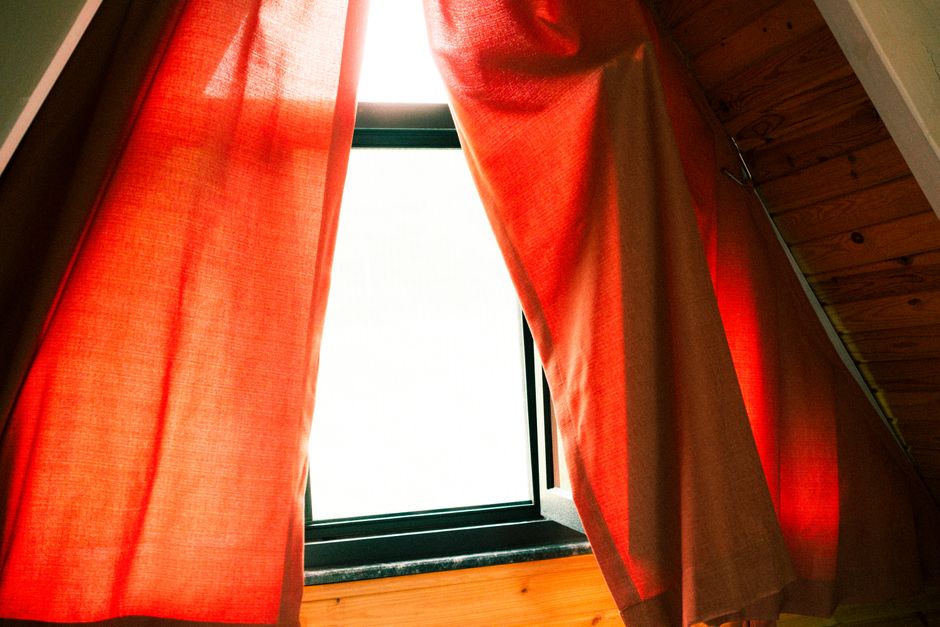
Velvet curtains are prized for their luxurious texture and rich color, but they are particularly vulnerable to sunlight damage. The fading occurs because velvet fibers, whether natural (silk, cotton) or synthetic (polyester, viscose), contain dyes that break down when exposed to ultraviolet (UV) radiation. Over time, this photochemical reaction causes the color to lighten, shift, or become patchy. The dye molecules absorb UV light energy, which disrupts their chemical bonds, leading to a loss of chromophores—the parts of the molecule that give color. This process accelerates in direct sunlight but also occurs in indirect daylight, though more slowly.
___PROTECTED_1___
The Science of UV Damage
UV radiation is divided into UVA (320-400 nm) and UVB (280-320 nm). UVA penetrates deeper into fabrics and is responsible for most fading, while UVB is more intense but partially absorbed by glass. Velvet's pile structure increases surface area, making it more prone to UV exposure. Additionally, darker and more saturated colors fade faster because they absorb more light energy. For example, deep burgundies and navy blues often show fading within a few months in sun-drenched rooms, while pastels may hold up longer.
Factors That Accelerate Fading
- Sunlight duration and intensity: South- and west-facing windows receive the most UV.
- Dye quality: Fiber-reactive or solution-dyed colors resist fading better than surface-dyed ones.
- Fabric composition: Cotton and silk velvets fade faster than polyester blends.
- Fabric finish: Unbacked velvet allows light to pass through, increasing UV contact.
___PROTECTED_2___
Choosing UV-Resistant Velvet Fabrics
When selecting velvet curtains for sun-exposed windows, prioritize fabrics with inherent UV resistance or special treatments. Here's a comparison of common velvet types:
| Velvet Type | UV Resistance | Best For |
|---|---|---|
| Polyester velvet | High | Living rooms, bedrooms with direct sun |
| Solution-dyed acrylic | Very High | Outdoor or sunroom curtains |
| Cotton velvet | Moderate | Low-light areas with sheers |
| Silk velvet | Low | Rooms with controlled lighting, decorative use |
| Viscose/rayon velvet | Low to Moderate | Indirect light only |
Look for UPF-rated (Ultraviolet Protection Factor) curtains—a rating of 30+ blocks about 97% of UV rays. Also check product labels for terms like "UV-resistant," "fade-resistant," or "lightfast."
Preventive Measures and Care Tips
Even with UV-resistant fabric, additional precautions can extend your velvet's life.
1. Install Linings and Backings
Add a blackout lining or UV-blocking interlining. Ideally, choose a lining with a white or light-colored back that reflects sunlight. A thermal lining also reduces heat buildup, which can degrade dyes.
2. Use Window Film
Apply UV-filtering window film to the glass. These clear or tinted films block up to 99% of UV rays without reducing natural light significantly.
3. Rotate Curtains
Every few months, swap positions or flip the fabric direction to ensure even exposure. Pull curtains to the opposite side of the window when not in use.
4. Maintain Proper Distance
Keep velvet curtains at least 2 inches away from the window glass to allow air circulation and prevent heat concentration.
5. Clean Gently
Dust and pollution can accelerate fading by trapping moisture and UV rays. Vacuum velvet with a soft brush attachment weekly. For deep cleaning, use a professional dry cleaner specializing in delicates.
6. Avoid Harsh Chemicals
Bleach, ammonia, and strong detergents can bleach or weaken dyes. Always test cleaning products on a hidden area.
Professional Treatments and Linings
If you already have velvet curtains that are fading, consider these retrofits:
- Apply UV-protective spray: Fabric-specific UV protectors (e.g., 303 Fabric Guard) add a transparent layer that absorbs UV. Reapply every 6-12 months after cleaning.
- Add a second decorative rod: Hang an additional sheer curtain (UV-rated) behind the velvet to filter light before it hits the fabric.
- Custom-made blackout linings: A professional seamstress can attach a removable lining to existing curtains using snap tape or hook-and-loop fasteners.
- Dye rejuvenation: For lightly faded velvet, professional fabric dyeing services can restore color, but this is costly and may not match perfectly.
Conclusion: Keep Your Velvet Curtains Vibrant
Velvet Curtains bring elegance and warmth to any space, but sunlight can rob them of their beauty. By understanding the fading mechanism, choosing UV-resistant materials, and implementing preventive measures—such as linings, window films, and careful maintenance—you can enjoy rich, vibrant velvet for years. For sun-soaked rooms, prioritize polyester or solution-dyed options and always add a protective barrier. With proactive care, your velvet curtains will remain a stunning focal point without premature fading.