Introduction
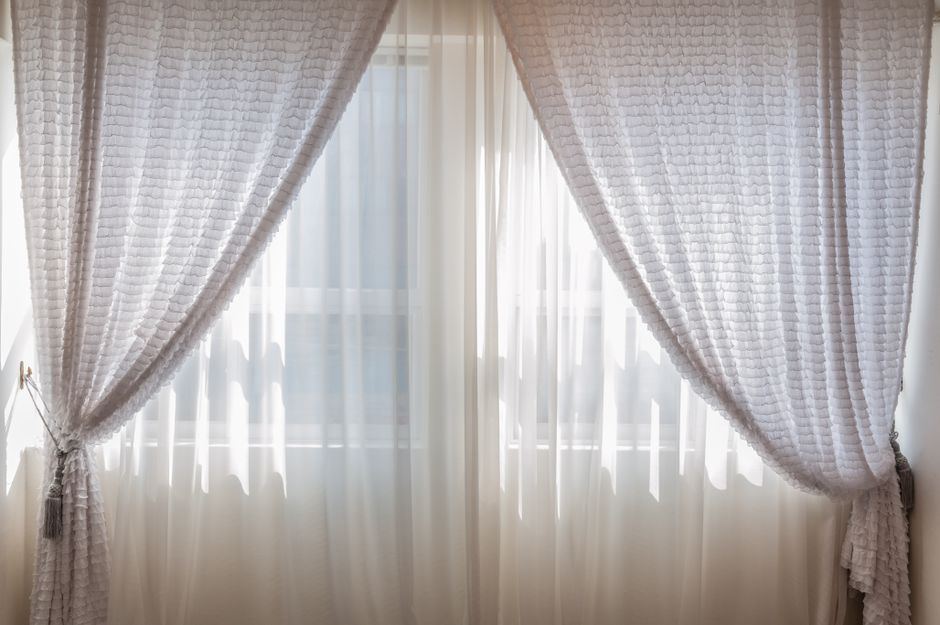
Sheer curtains add elegance and lightness to any room, but over time, they can yellow or become dingy due to dust, sunlight, and washing residues. Many people reach for harsh bleaches, but these can damage delicate fabrics and harm the environment. Fortunately, there are effective, natural ways to whiten sheer curtains without bleach. This guide covers safe, eco-friendly methods using common household ingredients, plus tips for maintaining that crisp, white look.
___PROTECTED_1___
Why Avoid Bleach on Sheer Curtains?
Bleach (sodium hypochlorite) is a strong chemical that can:
- Weaken or yellow delicate fibers like polyester, nylon, or cotton voile
- Cause irreversible damage to fabric structure
- Leave a harsh smell that lingers
- Harm aquatic life when washed down the drain
Natural whitening methods are gentler, preserving the fabric's longevity and your indoor air quality.
___PROTECTED_2___
Preparation Before Whitening
Check the Fabric Care Label
Most sheer curtains are made of polyester, nylon, cotton, or blends. Always check the label for washing instructions (temperature, machine vs. hand wash).
Remove Dust and Loose Debris
Gently vacuum the curtains using a brush attachment, or shake them outside to remove surface dust. This prevents soil from settling into the fibers during washing.
Pre-treat Stains
For yellow spots or stains, apply a paste of baking soda and water, let it sit for 15 minutes, then rinse before full washing.
Natural Whitening Methods (No Bleach)
1. Baking Soda and Vinegar Soak
How it works: Baking soda (sodium bicarbonate) is a mild alkali that helps lift dirt, while white vinegar (acetic acid) cuts through soap residue and brightens whites.
- Fill a tub or sink with warm water (not hot, to avoid setting stains).
- Add 1 cup of baking soda and stir to dissolve.
- Submerge curtains and soak for 1 hour (or overnight for heavy yellowing).
- Drain and refill with cool water. Add 1 cup of white vinegar. Soak for another 30 minutes.
- Rinse thoroughly with cool water until no vinegar smell remains.
Note: Do not mix baking soda and vinegar together – they neutralize each other. Use sequentially.
2. Lemon Juice and Sunlight
Why it works: Citric acid in lemon juice naturally bleaches and brightens, and sunlight acts as a powerful UV whitener.
- Squeeze juice of 4-6 lemons into a bucket of hot water (enough to cover curtains).
- Soak the curtains for 2-3 hours.
- Wring out gently and hang them outside in direct sunlight, still damp.
- Leave for several hours or until dry. The combination of lemon and sun will lift yellowing.
Tip: Avoid this method for dark-colored sheers – only for white or off-white.
3. Hydrogen Peroxide (3% Solution)
Important: Hydrogen peroxide is a mild bleaching agent, but it's non-chlorine and biodegradable. Use it with caution on white synthetic fabrics.
- Mix 1 part 3% hydrogen peroxide with 8 parts water in a spray bottle.
- Lightly mist the curtains (or add ½ cup to a wash cycle).
- Let sit for 15 minutes, then rinse thoroughly with cold water.
- For machine washing, add ½ cup of hydrogen peroxide to the bleach dispenser along with a gentle laundry detergent.
Caution: Test on a small hidden area first. Do not use on silk or wool sheers.
4. Salt and Baking Soda Paste for Stubborn Yellowing
For curtains that have turned yellow from age or smoke, create a thick paste:
- Mix equal parts baking soda and salt (e.g., ½ cup each).
- Add enough water to form a paste.
- Spread on yellow spots and let dry completely (overnight).
- Brush off, then wash as usual.
Salt helps absorb oils and brighten white fabrics.
5. Aspirin Solution
Why it works: Aspirin contains acetylsalicylic acid which has mild bleaching properties.
- Crush 5-6 uncoated aspirin tablets into a powder.
- Dissolve in 2 cups of hot water.
- Add to a basin of warm water and soak curtains for 4-6 hours.
- Rinse and wash as normal.
Comparison of Natural Methods
| Method | Effectiveness | Time Required | Safety for Fabrics | Cost |
|---|---|---|---|---|
| Baking Soda + Vinegar | Very good for general yellowing | 1-2 hours | Safe for most fabrics | Low |
| Lemon Juice + Sunlight | Excellent for light yellowing | 2-3 hours + sun | Good, but may weaken over time | Low |
| Hydrogen Peroxide | Strongest natural whitener | 15-30 minutes | Safe for synthetics; avoid silk/wool | Low |
| Salt + Baking Soda Paste | Good for spot treatment | Overnight | Safe | Very low |
| Aspirin | Moderate | 4-6 hours | Safe for whites | Medium |
Drying and Aftercare
Air Drying is Best
Heat from dryers can set new yellowing and shrink delicate fabrics. Instead:
- Gently squeeze out excess water (do not wring).
- Hang curtains on a line or rod in a shaded area to avoid direct sun unless using the lemon method.
- For extra whitening, hang them in indirect sunlight while still damp.
Ironing Tips
If wrinkles appear, iron while the curtains are still slightly damp on the lowest heat setting suitable for the fabric (check care label). Use a pressing cloth to avoid scorching.
Maintenance Tips to Keep Sheers White Longer
- Wash regularly: Dust and oils accumulate. Wash every 3-6 months with a gentle, phosphate-free detergent.
- Avoid fabric softener: It leaves a coating that attracts dirt and dulls whites.
- Use cold water: Hot water sets stains and can yellow some synthetics.
- Add a cup of white vinegar to the rinse cycle (machine wash) to remove soap residue and brighten.
- Keep away from direct sunlight if possible – UV light causes gradual yellowing.
- Rotate curtains if they get uneven sun exposure.
Conclusion
Whiter, brighter sheer curtains are achievable without harsh chemicals. Whether you choose a baking soda and vinegar soak, lemon juice and sunshine, or a hydrogen peroxide rinse, these natural methods are effective, budget-friendly, and gentle on your fabrics. Remember to always patch test and follow care labels. With regular maintenance, your sheers will stay crisp and beautiful for years to come.