PVC coated fabric is a versatile material that has become a cornerstone in the world of textiles, particularly for applications requiring durability, water resistance, and specialized performance. In the realm of curtains and window treatments, PVC coated fabrics are prized for their ability to provide complete blackout, enhance acoustic insulation, and offer easy maintenance. This comprehensive guide explores everything you need to know about PVC coated fabric, from its composition and properties to its practical uses in curtain fabrics and beyond.
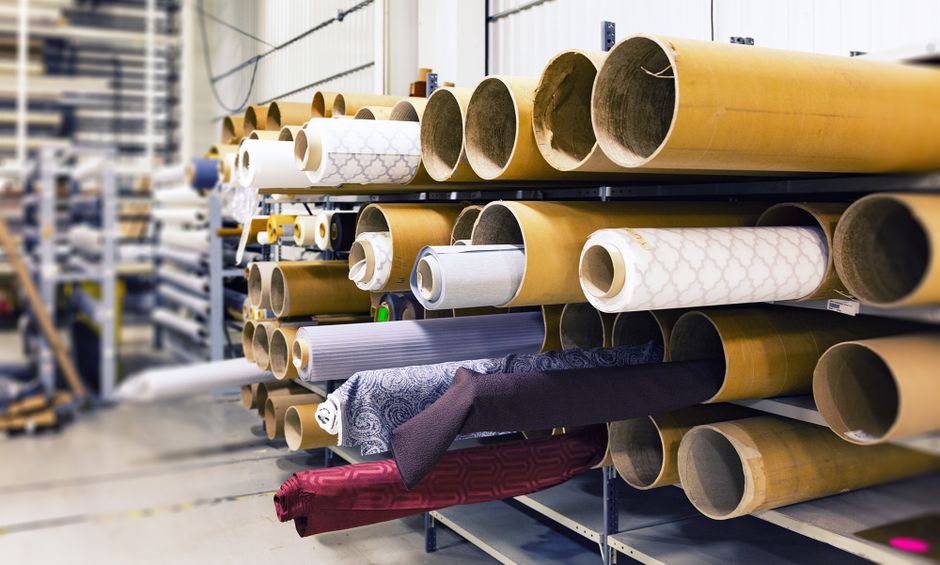
What Is PVC Coated Fabric?
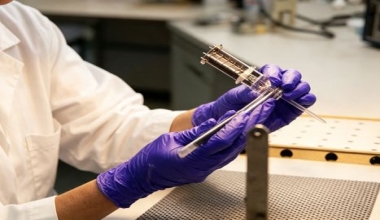
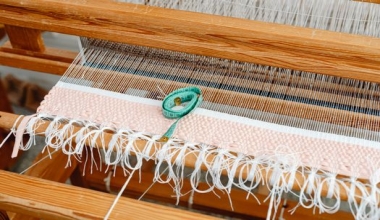
PVC (polyvinyl chloride) coated fabric is a textile that has been coated with a layer of PVC resin on one or both sides. This process creates a composite material that combines the flexibility and tensile strength of the underlying fabric with the protective and functional properties of PVC. The base fabric is typically polyester, nylon, fiberglass, or cotton, while the PVC coating is applied through methods like knife coating, dip coating, or lamination.
The result is a robust, waterproof, and often flame-retardant material that can be engineered to meet specific performance criteria. In the curtain industry, PVC coated fabrics are commonly used to produce blackout curtains, acoustic curtains, and protective drapes for commercial and industrial settings.
___PROTECTED_1___
How Is PVC Coated Fabric Made?
The manufacturing process of PVC coated fabric involves several key steps:
- Base Fabric Preparation: The chosen fabric (usually polyester or fiberglass) is cleaned and treated to ensure proper adhesion.
- Coating Application: Liquid PVC (a plastisol) is applied to the fabric using a doctor blade, roller, or spray system. The fabric passes through an oven to cure (gel) the PVC, creating a solid, flexible coating.
- Lamination: For some applications, multiple layers of PVC and fabric are bonded together under heat and pressure to achieve specific properties like increased thickness or airtightness.
- Finishing: The coated fabric may be embossed, printed, or coated with a top finish to enhance UV resistance, anti-bacterial properties, or aesthetic appeal.
The thickness of the PVC coating can vary from a few microns to several millimeters, depending on the intended use. For curtain fabrics, lighter coatings are often used to maintain drapability, while heavier coatings are reserved for industrial or acoustic barriers.
___PROTECTED_2___
Key Properties of PVC Coated Fabric
PVC coated fabric offers a unique combination of properties that make it ideal for demanding applications:
- Waterproof & Mildew Resistant: The PVC layer creates a non-porous surface that repels water, preventing moisture damage and mold growth.
- Durability & Tear Strength: The coating reinforces the base fabric, increasing resistance to abrasion, punctures, and tearing.
- Flexibility: Despite its toughness, PVC coated fabric remains flexible, allowing it to be folded, rolled, and draped without cracking.
- Chemical Resistance: It withstands exposure to many acids, alkalis, and solvents, making it suitable for laboratory or industrial settings.
- Flame Retardancy: With the right additives, PVC is inherently self-extinguishing, offering excellent fire safety for public buildings.
- UV Stability: Quality PVC coatings resist degradation from sunlight, preventing fading and brittleness.
- Acoustic Insulation: The dense coating adds mass, which helps block sound waves, making it ideal for acoustic curtains.
PVC Coated Fabric in Curtains and Window Treatments
For curtain applications, PVC coated fabrics have become a go-to solution in both residential and commercial spaces. Here's how they excel in specific curtain types:
Blackout Curtains
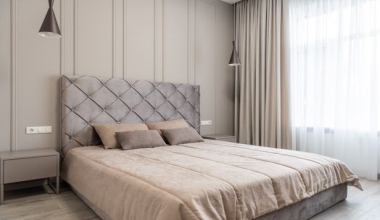
One of the most popular uses of PVC coated fabric is in blackout curtains. The opaque PVC layer blocks 100% of light, making them perfect for bedrooms, home theaters, and hotels. Unlike ordinary blackout linings, PVC coated fabrics often have a sleek surface that resists dirt and moisture, contributing to a cleaner environment. Many such fabrics also feature a white or silver backing that reflects heat, improving energy efficiency.
Acoustic Curtains
Soundproofing is another major application. The mass and density of PVC coated fabric help absorb and block sound waves, reducing noise transmission. Acoustic curtains made from PVC coated fabric are widely used in recording studios, offices, and factories. They often come with grommets or track systems that allow them to overlap, creating a continuous sound barrier.
Sheer and Decorative Curtains
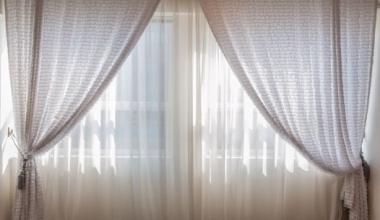
While not typical, PVC coated fabrics can be manufactured with a matte finish or printed pattern to mimic designer textiles. These are often used in hospitals and cleanrooms where hygiene is a priority, as they can be easily wiped down and disinfected.
Advantages of PVC Coated Curtain Fabrics
Choosing PVC coated fabric for your curtains offers several benefits over traditional textiles:
- Easy Cleaning: Spills, dust, and stains can be wiped away with a damp cloth. No need for frequent laundering.
- Moisture Barrier: Ideal for bathrooms, kitchens, and coastal environments where humidity can damage ordinary fabrics.
- Long Lifespan: PVC coated fabric resists fading, fraying, and general wear, lasting for years without losing its integrity.
- Cost-Effective: While the initial cost may be higher than standard polyester, the durability and low maintenance reduce long-term expenses.
- Fire Safety: Many PVC coated fabrics meet strict fire safety standards, making them mandatory for public buildings in many regions.
Disadvantages and Considerations
Despite its many advantages, PVC coated fabric has some downsides to consider:
- Breathability: The non-porous surface does not allow air circulation, which can trap heat and condensation if not properly installed.
- Environmental Concerns: PVC production involves chlorine and phthalates, raising sustainability questions. Look for eco-friendly alternatives if environmental impact is a concern.
- Off-Gassing: New PVC coated fabrics may emit a distinct 'plastic' odor, which dissipates over time but can be bothersome in enclosed spaces.
- Temperature Sensitivity: Extreme cold can cause PVC to stiffen, while extreme heat may cause it to soften. This makes it less ideal for unheated or sun-baked windows.
PVC Coated Fabric vs. Other Coated Fabrics
To help you decide if PVC coated fabric is the right choice, here's a comparison with other common coated fabrics:
| Feature | PVC Coated Fabric | PEVA Coated Fabric | Polyurethane (PU) Coated Fabric |
|---|---|---|---|
| Waterproof | Excellent | Good | Very Good |
| Durability | High | Moderate | High |
| Flexibility | Moderate | Good | Excellent |
| Environmental Friendliness | Low | Higher | Moderate |
| Cost | Low to Medium | Low | Medium to High |
| Typical Curtain Use | Blackout, Acoustic | Decorative, Shower Curtains | Outdoor, Industrial |
PEVA (polyethylene vinyl acetate) is often marketed as a safer, more eco-friendly alternative to PVC, but it offers less durability. PU-coated fabrics are more flexible and breathable but tend to be pricier. PVC remains the most cost-effective option for heavy-duty applications.
Care and Maintenance Tips for PVC Coated Fabrics
Proper care extends the life of your PVC coated curtains and maintains their performance. Follow these practical tips:
- Regular Dusting: Use a soft, dry cloth or a vacuum with a brush attachment to remove surface dust.
- Spot Cleaning: For stains, wipe with a damp sponge and a mild detergent solution. Avoid harsh chemicals or abrasive cleaners.
- Rinse Thoroughly: If you use a cleaning agent, ensure you wipe with a clean water rinse to prevent residue buildup.
- Air Dry: Hang the curtain to air dry out of direct sunlight. Do not tumble dry or apply high heat.
- Avoid Folding Sharp Creases: When storing, roll the fabric instead of folding to prevent permanent creases.
- Check Hardware: PVC coated fabric is heavier than standard fabric, so ensure your curtain rod or track is sturdy enough to support the weight.
- Ventilate New Curtains: If off-gassing is an issue, hang the curtains in a well-ventilated area for a few days before final installation.
Industry Applications of PVC Coated Fabric
Beyond curtains, PVC coated fabric is used across numerous industries. Understanding these applications can inspire innovative uses in your own projects:
Healthcare
In hospitals and clinics, PVC coated fabrics are used for privacy curtains, cubicle curtains, and protective screens. Their non-porous surface inhibits the growth of bacteria and can be easily sanitized, reducing the risk of hospital-acquired infections.
Hotels and Hospitality
Hotels rely on PVC coated blackout curtains to provide guests with darkness for better sleep. The fabric's stain resistance is a bonus in high-turnover environments, allowing quick wipe-downs between stays.
Industrial and Manufacturing
Factories use PVC coated fabric as welding screens, machine guards, and sound barriers. Its flame retardancy and durability protect workers and equipment from sparks, debris, and noise.
Transportation
PVC coated fabric is used in tarpaulins, vehicle covers, and inflatable structures due to its water resistance and tear strength.
Buying Guide: What to Look For
When purchasing PVC coated fabric for curtains, consider the following factors:
- Base Fabric Weight: Heavier base fabrics (e.g., 600 denier polyester) provide more tear strength but reduce drapability. For standard curtains, a 200-300 denier fabric is sufficient.
- Coating Thickness: A thicker PVC layer increases durability and opacity but makes the fabric stiffer. For blackout curtains, a coating of 100-200 microns is typical.
- Cure and Finish: Ensure the fabric is fully cured to prevent stickiness. Look for a matte finish if you prefer a natural look, or a glossy finish for a modern aesthetic.
- Certifications: Check for certifications like OEKO-TEX, REACH, or Fire Safety ratings (e.g., NFPA 701, EN 13501). These guarantee quality and safety.
- Width and Length: PVC coated fabrics often come in wider widths (up to 3 meters), which is great for seamless panels. Custom cutting is available from many suppliers.
Conclusion
PVC coated fabric is a robust, multifunctional material that has earned its place in window treatment and curtain manufacturing. Whether you need complete darkness, acoustic control, or easy maintenance, PVC coated curtains deliver performance that ordinary fabrics cannot match. While environmental concerns necessitate careful selection and disposal, the practical benefits for commercial and residential spaces are undeniable. By understanding its properties, applications, and care requirements, you can make an informed decision and enjoy the long-lasting functionality of PVC coated fabric in your next project.