If you’ve ever struggled to get a good night’s sleep because of streetlights, early morning sun, or noisy neighbors, chances are you’ve considered blackout curtains. But what exactly is blackout fabric? Is it just thick cloth, or is there more to it? In this comprehensive guide, we’ll dive deep into the world of blackout materials – from how they’re made to how to choose the best one for your space.
What Is Blackout Fabric?
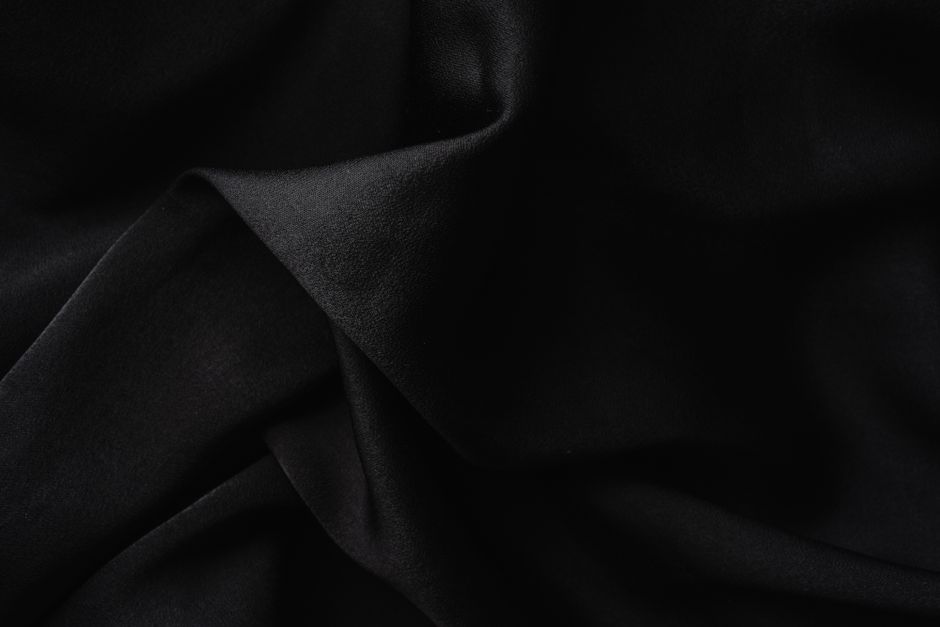
Blackout fabric is a specially engineered textile designed to block out external light entirely. Unlike regular curtains that reduce light, blackout fabrics achieve near-total darkness by incorporating multiple layers or special coatings that absorb and reflect light. They are widely used in bedrooms, home theaters, hotels, and anywhere light control is essential. Blackout fabrics also often provide thermal insulation and noise reduction.
___PROTECTED_1___
How Does Blackout Fabric Work?
The science behind blackout fabric is surprisingly simple. The fabric uses several methods to stop light from passing through:
- Dense weave: Tightly woven fibers leave minimal gaps for light to penetrate.
- Multiple layers: Some fabrics consist of three layers: an outer decorative layer, a middle light-blocking core (often black or dark colored), and a backing layer.
- Coatings: Many blackout drapes are coated with acrylic foam or polyurethane (PU) on the back. This creates an opaque barrier.
- Foam backing: Some curtains have a layer of foam glued to the backside, which also adds insulation and sound dampening.
The result is a fabric that can block up to 99% of external light, depending on the quality and construction.
___PROTECTED_2___
Types of Blackout Fabric
Not all blackout fabrics are created equal. Here are the most common types you’ll encounter:
| Type | Description | Best For |
|---|---|---|
| Coated Blackout | Fabric with a layer of acrylic or PU foam on the back. Affordable but may degrade over time. | Budget-friendly solutions |
| Woven Blackout | Fabric woven so tightly that light cannot pass through. Often has three layers. More durable and breathable. | High-end hotels, homes |
| Thermal Blackout | Combines light blocking with insulation. Usually has a foam interlayer. | Energy saving |
| Acoustic Blackout | Designed to absorb sound as well as light. Thick and heavy. | Recording studios, home theaters |
Coated vs. Woven: Which is Better?
Coated blackout fabric is cheaper and easier to produce, but the coating can crack, peel, or become less effective over time, especially when washed. Woven blackout fabric, on the other hand, uses a construction method that integrates the light-blocking layer into the weave. This makes it more durable, breathable, and washable. For long-term use, woven is generally superior.
Benefits of Blackout Fabric
Beyond just blocking light, blackout fabrics offer several additional advantages:
- Improved sleep quality: Complete darkness helps regulate your circadian rhythm, leading to deeper sleep.
- Energy efficiency: The insulating layer reduces heat transfer, keeping rooms warmer in winter and cooler in summer.
- Noise reduction: The dense material dampens outdoor sounds, making your space quieter.
- UV protection: Blackout fabrics block harmful UV rays, protecting furniture, floors, and artwork from fading.
- Privacy: Your interior becomes completely hidden from outside view, even during the day.
Common Applications
Blackout fabric is incredibly versatile. Here are some real-world uses:
- Hotels: Most hotels use blackout curtains to ensure guests sleep well, regardless of time zone or daylight.
- Home theaters: To eliminate screen glare and create a cinema-like atmosphere.
- Hospitals and clinics: Patient rooms often need controlled lighting for recovery.
- Nurseries: Parents rely on blackout curtains to help babies nap longer.
- Offices: Conference rooms with projectors require blackout shades.
- Recording studios: Acoustic blackout fabrics absorb sound and light for perfect audio capture.
How to Choose the Right Blackout Fabric
When shopping for blackout fabrics, consider these factors:
- Light blocking rating: Check if the fabric claims to block 90-100% of light. Look for terms like "total blackout" or "room darkening" – the latter may not be complete.
- Fabric weight and thickness: Heavier fabrics block more light and sound but may require stronger curtain rods.
- Material composition: Polyester is common and durable. Cotton blends can be more breathable but may wrinkle. Velvet offers a luxurious look but is heavier.
- Care instructions: Some coated blackout fabrics cannot be machine washed. Woven types are often machine washable. Check before buying.
- Color: Darker colors naturally block more light, but lighter fabrics can still be effective with the right construction.
- Brand reputation: Trusted manufacturers often provide better quality and warranty. Look for reviews.
Care Tips for Blackout Curtains
To keep your blackout curtains effective and looking great, follow these care tips:
- Dust regularly: Use a vacuum with a brush attachment or a lint roller to remove dust that can block pores.
- Spot clean first: For small stains, use a mild detergent and a damp cloth. Avoid harsh chemicals that can damage coatings.
- Machine washing (if allowed): Use cold water, gentle cycle, and mild detergent. Do not use bleach or fabric softener as they can degrade the coating. Tumble dry low or hang dry.
- Ironing caution: Never iron directly on the coated side. If needed, use a low heat setting on the fabric side or use a steamer.
- Replace when peeling: If you notice the backing flaking off, it’s time to replace the curtains. This is more common with coated types after a few years.
Common Myths About Blackout Fabric
Let’s bust a few misconceptions:
- Myth: Only thick fabrics block light. While thickness helps, a tightly woven thin fabric can be just as effective.
- Myth: Blackout curtains make a room completely dark. Even the best blackout fabric will let some light seep around the edges unless you use a proper track or curtain rods with a valance.
- Myth: Blackout fabrics are all the same. Quality varies dramatically between coated and woven, and among different brands.
Conclusion
Blackout fabric is a game-changer for anyone seeking better sleep, energy savings, or complete privacy. By understanding the different types – coated vs. woven, thermal vs. acoustic – you can make an informed choice that suits your needs and budget. Remember to check care instructions and consider the overall weight and installation requirements. Whether you’re blacking out a nursery, a home theater, or your own bedroom, the right fabric will transform your space into a cozy, dark sanctuary.
Ready to upgrade your window treatments? Use this guide to confidently choose blackout fabric that delivers on its promise – total control over your light environment.