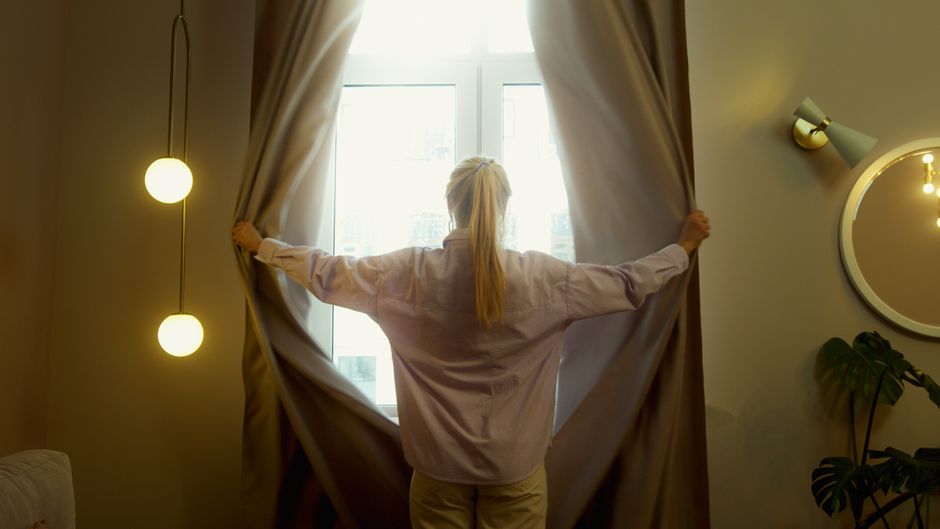
Introduction: The Light Control Showdown
When it comes to managing light in your home, two heavyweight contenders dominate the curtain market: velvet and blackout curtains. Both promise to transform your space, but they approach light control from different angles. Velvet curtains offer luxury and moderate light blocking, while blackout curtains are engineered for total darkness. In this comprehensive guide, we'll compare their performance, materials, aesthetic appeal, and practical benefits to help you decide which is best for your room. Whether you're a light-sensitive sleeper, a home theater enthusiast, or simply seeking elegant window treatments, understand the nuances of each fabric is key.
___PROTECTED_1___
Light Control Comparison: Velvet vs Blackout Curtains
| Feature | Velvet Curtains | Blackout Curtains |
|---|---|---|
| Light Blocking Percentage | 70-90% (depends on weave and lining) | 95-100% (often triple-weave or coated) |
| Ambient Light Reduction | High – creates a cozy, dim atmosphere | Extreme – eliminates almost all light |
| Best for | Living rooms, bedrooms that want soft darkness | Bedrooms for deep sleep, home theaters, nurseries |
The Science of Darkness
Blackout curtains typically incorporate a dense weave or a special coating (like acrylic foam) that physically blocks light photons. Velvet fabric, with its dense pile, also absorbs light but still allows some penetration through the weave, especially if not lined. The key difference is that blackout curtains are designed with multiple layers or a thick inner core to achieve near-total opacity, while velvet relies on its plush texture to soften incoming light.
___PROTECTED_2___
Material Matters: How Each Fabric Manages Light
Velvet Fabric – A Light-Absorbing Luxe
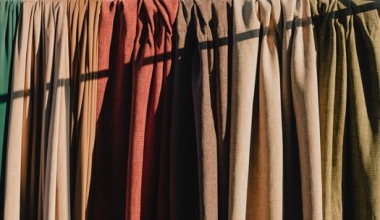
Velvet is made from silk, cotton, or synthetic fibers like polyester. Its short, dense pile gives it a distinctive softness and rich color depth. When light strikes velvet, it is absorbed by the fibers rather than reflected, creating a warm, muted glow. Unlined velvet blocks about 70-85% of light; with a thick lining, it can reach 90%+ but rarely matches dedicated blackout fabrics.
Blackout Fabric – Engineered for Opacity
Blackout curtains are typically constructed from tightly woven polyester or cotton-polyester blends, often with an additional blackout layer such as a foam coating, a separate liner, or an S-shaped weave. The most effective blackout fabrics use a triple-weave technique: two outer layers with a black inner layer that absorbs any light that penetrates the first layer. The result is block-out of 95-99% of external light.
Blackout Curtains: Total Darkness for Deep Sleep
If your top priority is complete darkness, blackout curtains are the undisputed champion. They are ideal for shift workers who sleep during the day, babies who need undisturbed naps, or anyone with high light sensitivity. Benefits include:
- Enhanced sleep quality: Melatonin production isn't disrupted by streetlights or morning sun.
- Energy efficiency: Many blackout curtains also offer thermal insulation.
- Privacy: Opaque fabric prevents anyone from seeing inside at night.
- Noise reduction: The thick material can dampen sound slightly.
When Blackout Falls Short
Blackout curtains can feel heavy and clinical in decor. They often come in limited colors and may have a plasticky feel if coated. Also, they completely block natural light during the day, which might make a room feel cave-like.
Velvet Curtains: Elegant Dimmability
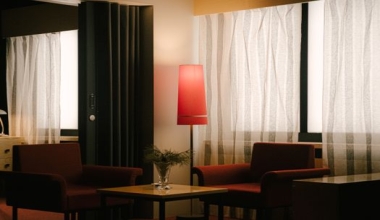
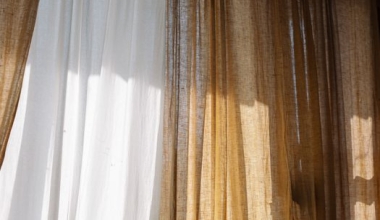
Velvet curtains offer a luxurious compromise. They reduce light significantly but still let a soft glow filter through, creating a cozy and intimate atmosphere. This makes them perfect for living rooms, dining areas, or master bedrooms where you want to control brightness without sacrificing daylight entirely.
- Aesthetic appeal: Velvet adds texture, depth, and a rich, sophisticated look.
- Light filtering: Ideal for spaces that need privacy without being pitch black.
- Sound absorption: The plush pile helps dampen echo and noise better than many other fabrics.
- Versatility: Comes in vibrant dyes and patterns; works with both traditional and modern interiors.
Downsides of Velvet
Velvet can be heavy and requires careful cleaning. It also tends to fade in direct sun over time, so it's best used in rooms with moderate light exposure or with a protective lining.
Thermal Insulation & Energy Efficiency
Both fabric types offer thermal benefits, but their mechanisms differ. Blackout curtains often have a thermal backing or a dense weave that reduces heat transfer, helping keep rooms cooler in summer and warmer in winter. Velvet's thick pile also traps air, providing natural insulation. In independent tests, lined velvet curtains can achieve insulation ratings close to high-end blackout curtains. However, for extreme climates, a dedicated blackout with foam lining will outperform most velvet options.
Energy Savings Comparison
According to the U.S. Department of Energy, curtains can reduce heat loss by up to 25% in winter. Blackout curtains with a thermal lining are most effective, but velvet's insulating properties are also notable. Consider your region: if you have cold winters and hot summers, blackout might be better; for moderate climates, velvet offers a stylish balance.
Noise Reduction: Which Curtain Makes Your Room Quieter?
Sound absorption is an often-overlooked feature. The thickness and texture of both fabrics help dampen noise. Velvet's pile is particularly good at absorbing mid- to high-frequency sounds (like voices or TV), making it a favorite for home theaters and music rooms. Blackout curtains, with their dense mass, also reduce noise but may reflect lower frequencies. For maximum acoustic control, combine either curtain with soft furnishings like rugs and upholstered furniture.
Aesthetics & Room Applications
Living Rooms & Dining Areas
Velvet wins here. It adds opulence and a warm, inviting feel. The way velvet catches and softens light creates an elegant mood. For a formal living room, deep emerald or navy velvet can be stunning.
Bedrooms & Home Theaters
Blackout curtains are the practical choice. For shift workers or anyone needing total darkness, they are non-negotiable. For a master bedroom where you still want morning light, use layered curtains: sheer or light-filtering velvet behind blackout drapes.
Nurseries & Kids' Rooms
Blackout curtains are recommended for baby sleep schedules. However, a velvet curtain with a blackout liner offers both softness and darkness. Choose machine-washable polyester blends for easy maintenance.
Care & Maintenance: Keeping Your Curtains Pristine
Velvet Curtains: Most require dry cleaning or gentle hand washing. Avoid direct sunlight to prevent fading. Use a steamer to remove wrinkles (do not iron directly).
Blackout Curtains: Many can be machine washed on a gentle cycle and hung to dry. Check the label; some coated blackouts cannot be washed (only spot cleaned). Over time, the coating may degrade with sun exposure.
Buying Guide: How to Choose the Perfect Curtain
- Assess your light control needs: total darkness or soft filtering? Choose blackout if you need pitch black; velvet for dimmable luxury.
- Consider the room function: Living areas favor velvet; bedrooms and media rooms lean blackout.
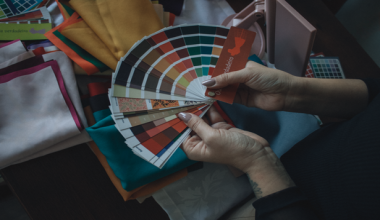
- Check fabric composition: Polyester blends are durable and fade-resistant; natural fibers like cotton voile are softer but less opaque.
- Lining options: Velvet can be upgraded with a blackout liner to combine aesthetics with functionality.
- Measure accurately: Curtains should extend beyond the window to minimize light leakage.
- Hardware: Consider a double rod setup to layer both sheer and blackout/velvet curtains.
Conclusion: Velvet vs Blackout – The Final Verdict
There is no one-size-fits-all answer. For those who prioritize total darkness for sleep or home theater, blackout curtains are essential. If you value elegance, texture, and a warm light ambiance, velvet is your fabric. Many homeowners hybridize: use blackout in the bedroom for night, and velvet in living spaces for day. Whichever you choose, invest in quality lining and proper installation to maximize performance.
Still undecided? Consider a DIY test: borrow a friend's blackout curtain or order a velvet swatch. Your room's light conditions, personal sleep needs, and decor style will ultimately guide you to the perfect choice.