Velvet Curtain Fabric is synonymous with luxury, warmth, and timeless elegance. But beneath its plush surface lies a critical factor that determines how your curtains will look and function: the weight and drape of the fabric. Choosing the right weight isn't just about aesthetics—it affects insulation, light control, and how the curtains hang. This comprehensive guide explores everything you need to know about velvet curtain fabric weight and drape, helping you make an informed decision for your space.
Understanding Velvet Fabric Weight
Velvet curtain fabric weight is typically measured in grams per square meter (GSM) or ounces per square yard. The weight directly impacts the fabric's thickness, opacity, and how it behaves when hung. A heavier velvet will have more substantial pile, better insulation, and a more formal, structured look. Lighter velvets are more fluid and airy, suitable for casual spaces or layered window treatments.
Key factors influencing weight include the fiber composition (cotton, polyester, silk, or blends), the pile density, and the weave structure. For instance, a silk velvet at 250 GSM will feel entirely different from a cotton velvet at 350 GSM, even though the weight per square meter is similar. Always check both GSM and the specific fabric's characteristics.
___PROTECTED_1___
The Science of Drape
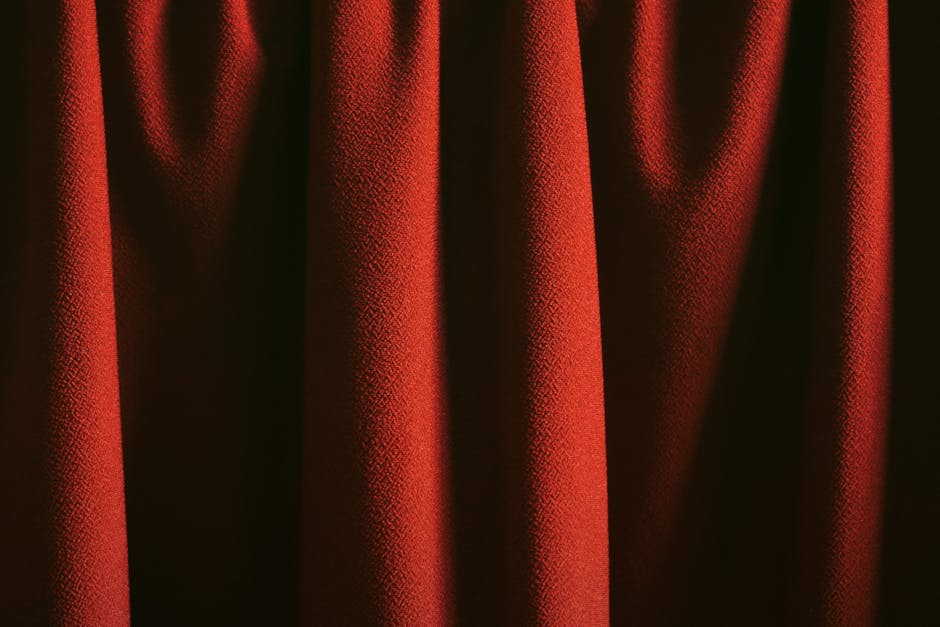
Drape refers to how fabric falls and folds when suspended. For velvet curtains, drape is influenced by weight, weave, and the angle of the pile. Heavier velvets tend to produce sharper, more defined pleats, while lighter velvets create softer, rounder folds. The drape also affects the curtain's ability to block light and provide privacy.
When evaluating drape, consider the ‘hand feel’—the fabric's stiffness or flexibility. A stiffer velvet will hold its shape well but may appear less flowing. A softer velvet will follow gentle curves and move with air currents. For full-length curtains, a medium-to-heavy weight with good drapability is ideal. Too light and the fabric may lack presence; too heavy and it might bulk awkwardly at the bottom.
___PROTECTED_2___
Weight Categories and Their Characteristics
Here's a breakdown of common velvet curtain weight ranges and their typical uses:
| Weight Category | GSM Range | Key Characteristics | Best For |
|---|---|---|---|
| Lightweight | 180–280 GSM | Sheer, fluid, minimal light block, less thermal insulation | Layered curtains, casual rooms, decorative overlays |
| Medium | 280–400 GSM | Good structure, moderate light block, soft drape with defined folds | Living rooms, bedrooms (with liners), standard window treatments |
| Heavy | 400–600 GSM | Dense pile, excellent light blockage, high insulation, formal appearance | Blackout curtains, theater spaces, luxury hotels, cold climates |
| Ultra-heavy | 600+ GSM | Very stiff, dramatic folds, near-complete blackout, heavy hardware required | Large windows, commercial soundproofing, opulent historical reproductions |
Lightweight Velvet
Lightweight velvet (180-280 GSM) is often blended with synthetic fibers to reduce cost and weight. It drapes easily and is ideal for sheer curtains or as a second layer behind heavier drapes. However, it does not offer significant insulation or blackout properties. Use it in spaces where a soft, romantic look is desired without complete darkness.
Medium Weight Velvet
Medium weight velvet (280-400 GSM) is the most versatile. It provides a balance between structure and movement. The fabric falls into gentle folds and can be used with standard curtain rods. It offers moderate light blocking—good for rooms that need some privacy but not total darkness. Many ready-made velvet curtains fall into this category.
Heavy Velvet
Heavy velvet (400-600 GSM) is where velvet truly shines for functional curtains. The dense pile blocks most light and adds significant thermal insulation. These curtains hang with a stately presence and work well in formal dining rooms, master bedrooms, or any space where light control is critical. They require sturdy hardware and possibly a lining to maintain shape.
Ultra-Heavy Velvet
Ultra-heavy velvet (600+ GSM) is rare and used for specialized applications. It is extremely rigid and often used in theaters, acoustic paneling, or historic renovations. The drape is less fluid, but the weight ensures minimal light seepage. Installation requires heavy-duty tracks and professional mounting.
How to Choose the Right Weight for Your Space
Selecting the perfect velvet curtain weight involves considering room function, light needs, and decor style. Follow these practical tips:
- Identify light control requirements: For a bedroom that needs complete darkness, choose at least 400 GSM with a blackout lining. For a living room that only needs softening of light, 280–350 GSM may suffice.
- Match the room's formality: Heavy velvet suits traditional, opulent spaces. Light velvet complements modern or minimalist interiors. Medium weight works in transitional designs.
- Consider window size: Large windows (>3m wide) benefit from heavier fabric to create visual balance. Small windows can handle lighter weight or medium weight with full-length drapes to add height.
- Check hardware capacity: Ensure your curtain rod or track can support the total weight. A pair of 400 GSM velvet panels for a 2.5m window can weigh 10–15 kg. Use metal rods with center supports for heavy fabrics.
- Test drape before buying: Order samples and hang them vertically to see how the fabric folds. Stiff velvets may require steam to soften creases.
Weight and Drape for Blackout Performance
For blackout curtains, weight alone isn't enough—the fabric must be densely woven and often laminated or coated. Many heavy velvets are inherently semi-blackout if the pile is thick. For true blackout, look for a foam lining or a triple-weave construction. A 400–500 GSM velvet with an acrylic foam backing will block over 99% of light. The drape becomes stiffer due to the backing, so plan for that in your header style (e.g., pinch pleats work better than grommets).
Practical Tips for Installing Heavy Velvet Curtains
Heavy velvet requires careful installation to avoid sagging or damage. Here are expert recommendations:
- Use a reinforced track system: Ceiling-mounted tracks are ideal for heavy curtains. If using a rod, choose a sturdy metal rod (at least 28mm diameter) with extra brackets.
- Allow for proper stacking: Heavy velvet needs more stack-back space—the area the curtain occupies when open. Plan for the rod to extend 30–40 cm beyond the window on each side.
- Consider interlining: An interlining (flannel or domette) adds weight and improves drape, resulting in richer folds. This can increase the GSM by 100–150.
- Use appropriate pleats: Triple pinch pleats work best for heavy fabrics because they distribute weight evenly. Avoid pencil pleats for heavy velvet.
- Weight the hem: Some velvet curtains benefit from small weights sewn into the hemline to prevent curling and ensure a straight drop.
Maintenance and Care for Velvet Curtains
Velvet requires gentle care to preserve its pile and drape. Follow these steps:
- Regular dusting: Use a soft brush attachment on a low-suction vacuum to remove surface dust. Avoid rubbing the pile.
- Spot cleaning: Blot spills immediately with a dry cloth—never rub. Test a hidden area with a mild cleaner.
- Steaming: Remove creases with a handheld steamer held 15 cm away. Never iron velvet directly.
- Professional cleaning: For heavy or lined velvet panels, dry cleaning is recommended every 2–3 years. Always check the care label.
- Avoid direct sunlight: Velvet can fade over time. Use UV-protective linings or rotate curtains seasonally.
Conclusion
Understanding velvet curtain fabric weight and drape is essential for achieving the perfect look and performance in your space. From lightweight sheers to ultra-heavy blackout panels, each weight category offers distinct benefits. By considering your room's light requirements, decor style, and hardware capabilities, you can select a velvet that balances beauty and function. With proper care and installation, your Velvet Curtains will remain a stunning focal point for years to come.
Ready to shop? Browse our collection of velvet curtain fabrics with detailed GSM specifications to find your ideal match.