Introduction
When it comes to window treatments, privacy is often a top priority. But not all curtains offer the same level of seclusion. Sheer and light filtering curtains are two popular choices, each with distinct characteristics. This guide dives deep into the privacy differences between them, helping you make an informed decision for your home or office.
___PROTECTED_1___
Understanding Sheer Curtains
What Are Sheer Curtains?
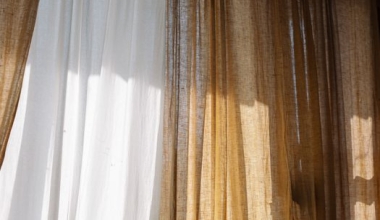
Sheer curtains are made from lightweight, translucent fabrics like voile, lace, or polyester blends. They allow diffused natural light to enter while providing a soft, airy appearance. The open weave of sheer fabrics means they offer minimal privacy – when lights are on inside, outsiders can see silhouettes and movements.
Privacy Level
During the day, sheers provide a one-way privacy effect: you can see out, but others see only a blurred view from outside. However, at night with interior lights on, the effect reverses, and sheers become quite transparent. For complete privacy, they often need to be paired with heavier curtains or blinds.
___PROTECTED_2___
Understanding Light Filtering Curtains
What Are Light Filtering Curtains?
Light filtering curtains are made from thicker, more tightly woven fabrics such as cotton-linen blends, polyester with a satin weave, or specialty coated textiles. They block a significant portion of light while still allowing some soft, ambient light to pass through. Common examples include semi-sheer, linen look, and dimout curtains.
Privacy Level
Light filtering curtains offer a higher degree of privacy. During the day, they prevent outside views almost entirely, and at night, they obscure silhouettes and details. However, strong lights inside can still create a soft glow through the fabric. They are ideal for living rooms, bedrooms, and offices where both light and privacy are desired.
Privacy Comparison: Sheer vs Light Filtering
| Aspect | Sheer Curtains | Light Filtering Curtains |
|---|---|---|
| Daytime Privacy | Moderate – blurred view from outside | High – very difficult to see inside |
| Nighttime Privacy | Low – silhouettes visible with indoor lights | Good – outlines obscured but some glow |
| Light Control | Soft, diffused light | Reduced brightness, still airy |
| Best Use Cases | Layering, spaces needing light without isolation | Primary privacy solution, living areas, bedrooms |
Factors to Consider When Choosing
Your Window Orientation
North-facing windows receive less direct sunlight, so sheers may be sufficient. South or west-facing windows benefit from light filtering to reduce glare and heat while maintaining privacy.
Neighborhood and Proximity
If your windows face a busy street or close neighbors, light filtering curtains are a better bet. For secluded gardens or upper floors, sheers might offer enough privacy.
Layering Options
Many homeowners combine sheers with light filtering curtains – sheers for daytime softness and light filtering for evening privacy. This creates a versatile, layered look.
Practical Tips for Maximizing Privacy
- Install curtains with a larger width (1.5 to 3 times the window width) for better coverage.
- Use a double rod system: sheers on the inner rod, light filtering/blackout curtains on the outer.
- Add a decorative valance or cornice to cover the top gap where light leaks.
- For sheer curtains, choose a thicker weave like semi-sheer over open lace.
- Consider motorized or smart curtains for easy adjustment throughout the day.
Conclusion
Ultimately, the choice between sheer and light filtering curtains depends on your privacy needs and lifestyle. Sheers offer elegance and daytime airiness but fall short at night. Light filtering curtains provide consistent privacy and light control, making them the superior choice for most rooms. For the best of both worlds, layer them together. Evaluate your space, light exposure, and desired ambiance to make the right selection.