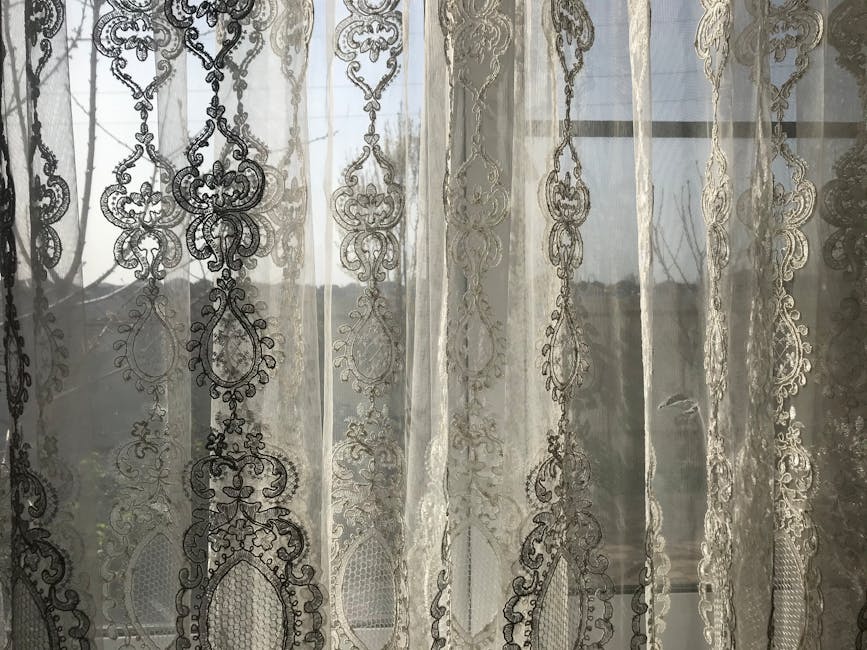
1. Light Diffusion and Privacy
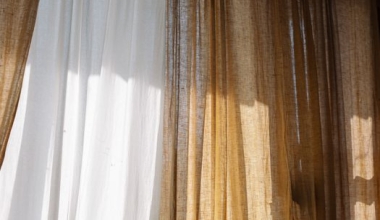
Sheer curtains are renowned for their ability to diffuse harsh sunlight into a soft, ambient glow. Made from loosely woven fabrics like polyester or cotton, they allow natural light to filter through while reducing glare. This creates an airy, spacious feel, perfect for living rooms or sunrooms. However, sheer curtains offer limited privacy at night when interior lights are on, as the fabric becomes more transparent.
Lace curtains, on the other hand, are crafted with intricate open patterns that strike a unique balance between light and privacy. The decorative holes in lace fabric scatter light into beautiful patterned shadows on the floor and walls, adding a romantic, old-world charm. During the day, lace provides moderate privacy, obscuring clear views from outside. At night, the effect reverses: lace becomes more see-through, but the dense pattern can still offer some concealment compared to plain sheers.
For those seeking ultimate elegance with subtle light control, lace curtains excel in creating a dreamy atmosphere. Sheer curtains are better for maximizing brightness while softening the light. Choose based on your priority: sheer for minimalism and openness, lace for intricate beauty and privacy nuance.
___PROTECTED_1___
2. Texture and Visual Interest
Texture is a defining factor in curtain elegance. Sheer curtains are typically smooth, flat, and translucent, providing a clean, modern aesthetic. Their understated appearance allows other elements in the room, like furniture or artwork, to take center stage. Sheers are available in solid colors or subtle weaves, offering a minimalist backdrop that enhances a room's spaciousness.
Lace curtains bring a wealth of texture through their detailed patterns—floral, damask, geometric, or scalloped edges. The tactile quality of lace adds depth and richness, making the window a focal point. Even from a distance, the intricate motifs catch the eye and convey a sense of craftsmanship and luxury. Lace can transform a plain window into a decorative feature, especially in vintage or romantic interiors.
If your goal is to add layered visual interest without overpowering the space, lace provides that extra dimension. Sheer is ideal for those who prefer a serene, uncluttered look. Combining both—sheers underneath, lace on top—is a popular layering technique that maximizes both texture and light control.
___PROTECTED_2___
3. Versatility in Decor Styles
Sheer curtains are incredibly versatile and fit seamlessly into nearly any design style. They complement contemporary, Scandinavian, mid-century modern, coastal, and even traditional interiors when used as a base layer. Their neutrality allows them to blend with bold colors, patterns, or natural materials. Sheer panels in crisp white or light beige are a staple for achieving a clean, breathable aesthetic.
Lace curtains are more style-specific, often associated with cottagecore, shabby chic, Victorian, farmhouse, or romantic decor. They add a vintage or heirloom quality that can feel out of place in ultra-modern spaces. However, modern lace designs with simpler geometric patterns are now available, making lace adaptable to contemporary settings when used sparingly. Lace works beautifully in bedrooms, dining rooms, or as café curtains in kitchens.
For a room that transitions between styles, sheer curtains offer more flexibility. If you have a defined aesthetic that embraces ornate details, lace curtains will enhance that elegance. Mixing both (e.g., sheer panels with a lace valance) creates a custom look that bridges both worlds.
4. Maintenance and Durability
Sheer curtains are generally easy to care for—most are machine-washable on a gentle cycle and require little ironing due to their wrinkle-resistant nature. However, their delicate fabric can snag or tear if handled roughly, especially near hems or seams. Sheers are also prone to yellowing over time from sun exposure or detergent residue. Frequent washing may reduce their lifespan, so gentle handling is key.
Lace curtains often require more careful maintenance. Many lace fabrics are hand-wash or dry-clean only, especially if made from natural fibers like cotton. The intricate loops and threads can catch on Velcro or zippers, leading to runs. Ironing lace can be tricky—it's best done on low heat with a pressing cloth to avoid flattening the pattern. Lace tends to hold its shape longer than sheer if cared for properly, but it may shrink or distort if washed incorrectly.
For low-maintenance elegance, sheers win. If you’re willing to invest time in preserving delicate beauty, lace can last for years as a timeless piece. Consider your lifestyle: busy households might prefer sheers, while those who enjoy gentle care rituals will appreciate lace.
5. Cost and Value
Sheer curtains are generally more affordable than lace, especially for larger windows or multiple panels. Basic polyester sheers can cost as little as $10–$20 per panel, while higher-quality linen blends may run $30–$50. This makes sheers a budget-friendly option for achieving an elegant, light-filled space without breaking the bank.
Lace curtains tend to be pricier due to the intricate craftsmanship and often higher-quality materials. Machine-made lace is less expensive, but hand-crocheted or imported lace can range from $50 to over $100 per panel. Custom lace treatments are even more costly. However, lace’s unique aesthetic can elevate a room’s perceived value, making it a worthwhile investment for those seeking a signature look.
For sheer elegance on a budget, sheer curtains are unbeatable. If you’re willing to spend more for decorative flair and enduring style, lace offers greater aesthetic return. Consider the room’s size and usage: a small window might benefit from an affordable lace panel, while large windows may be more economically covered with sheers.
6. Customization and Patterns
Sheer curtains are available in a wide range of solid colors, from neutrals to pastels, but patterns are limited due to the fabric’s transparency. Some sheers feature subtle stripes, dots, or embroidered motifs, but these are often sparse to maintain the light-filtering property. If you want bold patterns, sheers may not be the best choice unless layered with other drapery.
Lace curtains shine in customization. They come in countless patterns—traditional rose, fleur-de-lis, modern geometric, and even custom designs from specialty retailers. Lace can be dyed or purchased in various colors, though white, ivory, and ecru remain classics for a reason. The pattern density can be adjusted: open-weave lace for more light or tightly woven for more privacy and opacity.
For personalized elegance, lace offers far more options to match specific decor themes. Sheers suit those who prefer a uniform, unobtrusive backdrop. Combining patterned lace with solid sheers creates a dynamic layered effect that is both customizable and elegant. Consider using lace as a statement piece (e.g., on a single window) and sheers elsewhere for cohesion.
7. Best Room Applications
Sheer curtains excel in rooms where natural light is paramount. Living rooms, sunrooms, home offices, and large windows benefit from their airy quality. They also work well in modern bedrooms where a calm, restful atmosphere is desired, paired with blackout curtains for nighttime. Sheers are ideal for small spaces as they make a room feel larger and more open.
Lace curtains are best suited for spaces that embrace a cottage, romantic, or vintage vibe. Bedrooms, dressing rooms, and dining rooms often showcase lace to add softness and charm. Lace café curtains are popular in kitchens or bathrooms for a touch of nostalgia while maintaining privacy. In foyers or hallways, lace panels create a gracious first impression without blocking light.
For ultimate elegance, consider both: use sheers for primary coverage and lace as decorative overlays or valances. This combination allows you to enjoy the best of both worlds—light diffusion from sheers and ornate texture from lace. Ultimately, the choice between sheer and lace depends on the mood you wish to create: clean and airy (sheer) or intricate and romantic (lace).