Choosing curtains for your baby's nursery is a decision that balances light control, safety, and style. Sheer and blackout curtains offer distinct benefits and potential drawbacks. This guide breaks down the key differences in a numbered list to help you make an informed choice for your little one's room.
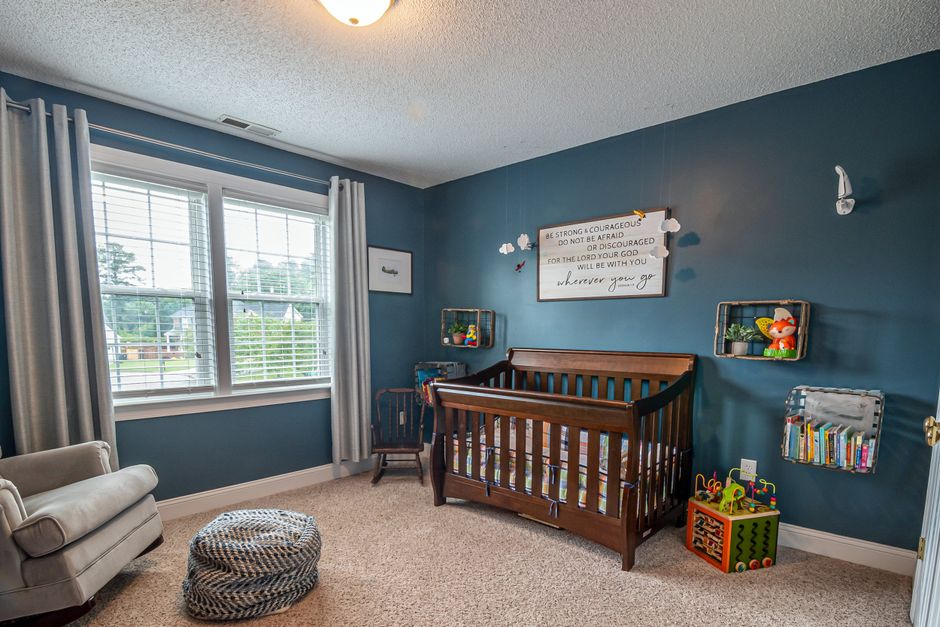
1. Light Control and Sleep Quality
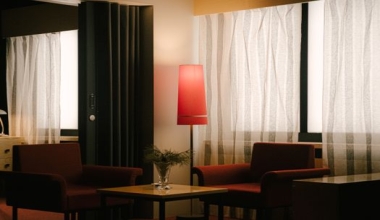
Sheer curtains filter sunlight, creating a soft, diffused glow that reduces glare without plunging the room into darkness. This can be beneficial during daytime naps when you want a calm, awake environment. However, sheers do not block out enough light for deep sleep, which can be problematic if your nursery faces a bright window or during early summer mornings.
Blackout curtains are designed to block 99% of external light, creating a cave-like darkness that promotes longer, more restorative sleep cycles. Studies show that consistent darkness cues the body to produce melatonin, crucial for infant sleep regulation. For night-shift parents or homes with bright streetlights, blackout curtains are often the gold standard.
___PROTECTED_1___
2. Safety Features and Cord Design
Safety is paramount in a nursery. Many sheer curtains come with corded top treatments, which pose strangulation hazards for toddlers. If you choose sheers, opt for cordless or motorized versions. Even pull-cords on traverse rods should be secured with cord cleats high on the wall.
Blackout curtains often offer safer installation options. You can combine them with cordless roller shades, or choose blackout drapery with hidden drawstrings. For ultimate safety, consider double-rod setups with blackout liners: they eliminate dangling cords entirely. Always ensure any curtain hardware is securely mounted out of reach of cribs and changing tables.
___PROTECTED_2___
3. Breathability and Room Temperature
Sheer curtains are lightweight and allow ample airflow, which can help regulate room temperature naturally. In warmer climates, they reduce the need for air conditioning by letting breezes pass while blocking harsh sun. However, they offer little insulation against cold drafts.
Blackout curtains typically feature a thick, often triple-weave fabric that traps air. This provides thermal insulation, keeping the nursery warmer in winter and cooler in summer. But the reduced airflow can make a room stuffy if windows are closed. To mitigate this, look for blackout curtains with a cotton-polyester blend backing that is more breathable than vinyl-lined options.
4. Ease of Cleaning and Maintenance
Sheer curtains are delicate and often require gentle machine washing or even dry cleaning. They can snag easily and may need ironing. For nurseries that face dust or drool, frequent washing can cause sheers to lose their crisp appearance over time.
Blackout curtains are generally more durable and easier to maintain. Most can be machine-washed on cold and tumble-dried on low. The dense fabric hides dust better, and many are treated with stain-resistant coatings. However, improper washing can degrade the blackout lining, causing it to peel or crack. Always follow the care label—some high-end blackouts recommend spot cleaning only.
5. Aesthetic Versatility and Room Darkening Options
Sheer curtains add an airy, elegant touch that softens the nursery's overall look. They come in pastels and whites that complement any theme. For additional light control, you can layer sheers with blackout shades—a popular design trick that offers the best of both worlds.
Blackout curtains are available in a wide range of colors and patterns, but their thicker fabric can feel heavy in small rooms. Modern options include room-darkening curtains that are not fully blackout but offer 90% light blockage with a lighter texture. If you want maximum flexibility, install a double rod: hang sheers in front for daytime softness and blackout panels behind for nighttime sleep.
Final Verdict: For most nurseries, a hybrid approach works best. Use blackout curtains for nighttime and nap times where darkness is critical, and supplement with sheers for daytime light control and aesthetic appeal. Prioritize cordless or motorized safety features regardless of your choice.