1. What is the difference between sheer and blackout curtains?
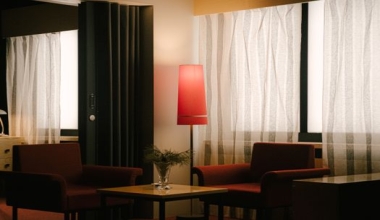
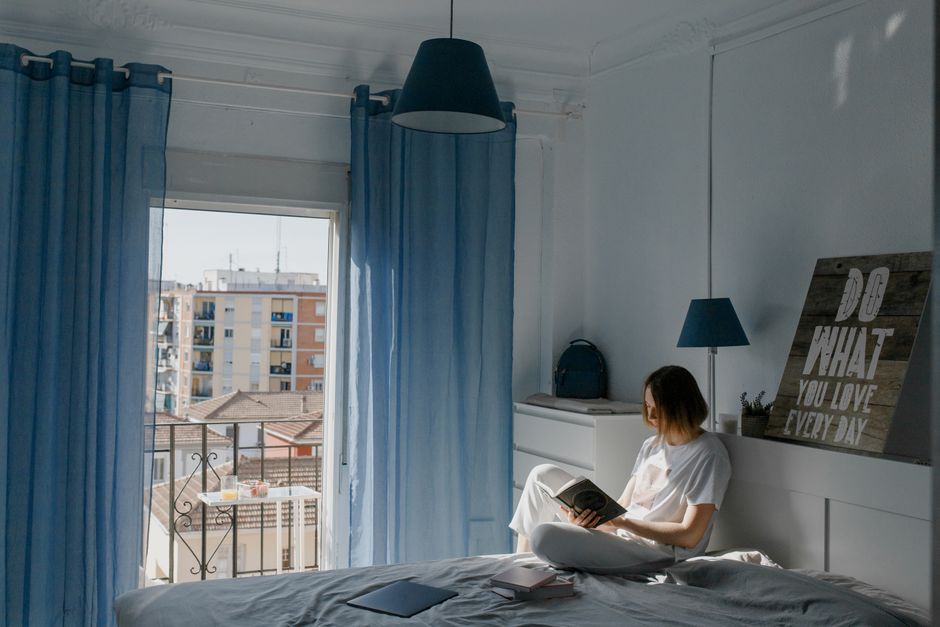
Sheer curtains are lightweight, translucent fabrics that allow natural light to filter through while providing a degree of privacy. They are often made from polyester, cotton, or linen blends. Blackout curtains, on the other hand, are heavy, opaque curtains with a special lining that blocks virtually all external light. They are designed to darken a room completely.
The primary difference lies in light control. Sheers soften sunlight and diffuse glare, while blackouts eliminate light entirely. Sheers offer a soft, airy aesthetic, whereas blackouts contribute a more formal, solid look. In a home office, this fundamental difference impacts visual comfort, mood, and productivity.
___PROTECTED_1___
2. How do sheer curtains affect focus in a home office?
Sheer curtains can enhance focus by reducing harsh glare from direct sunlight. Their diffusing effect creates a balanced, natural light environment that many find conducive to concentration. Studies suggest natural light improves mood and reduces eye strain, which can boost cognitive performance.
However, sheers do not eliminate glare entirely. On very bright days, you may still experience screen reflections. Additionally, if your office faces a busy street, sheers offer limited privacy during daytime. In terms of focus, sheers are best for tasks that don’t require a completely dark screen, such as writing or brainstorming.
___PROTECTED_2___
3. How do blackout curtains affect focus?
Blackout curtains can significantly improve focus by eliminating external distractions. By blocking all light, they prevent glare on monitors and create a consistent, dark environment. This is especially beneficial for video editing, programming, or any task requiring precise screen visibility.
Yet, a completely dark room may feel cave-like and can lead to drowsiness for some. To counteract this, you might need additional artificial lighting. Blackouts also reduce outside noise due to their thickness, which is an added bonus for concentration. They are ideal for shift workers or those with windows facing direct sun.
4. Which is better for reducing screen glare?
Blackout curtains are superior for glare reduction as they block all light. If you work on a computer for long hours, blackouts eliminate reflections on your screen, reducing eye fatigue. Sheer curtains only diffuse light; they can still cause glare, especially in rooms with south-facing windows.
However, for a balance between natural light and glare reduction, consider sheer curtains with an anti-glare coating. But for maximum control, blackouts win. If you have a window behind your monitor, blackout curtains are practically essential.
5. Can sheer curtains provide enough privacy for video calls?
Sheer curtains offer daytime privacy by obscuring detail from the outside. From a distance, people see blurred shapes but not distinct faces. This is usually sufficient for video calls where you’re visible to your audience but not to passersby. At night, however, sheer curtains become transparent when interior lights are on.
For complete privacy during video calls, especially if your office is at ground level, consider layering sheers with blinds or using blackout curtains. Many home office workers prefer blackout curtains for video calls to ensure no background distractions or privacy concerns.
6. Are blackout curtains too dark for daytime work?
Blackout curtains can make the room feel dark, which may be undesirable for daytime work that requires alertness. However, you can pair them with a good desk lamp or ambient lighting to compensate. Some people find that a darker room helps them focus on the screen, while others feel lethargic.
If you’re concerned about darkness, choose blackout curtains in lighter colors like gray or cream. They still block light but reflect more brightness. Alternatively, use blackout roller shades that can be partially raised. The key is to test and see what works for your workflow.
7. What about energy efficiency and temperature control?
Blackout curtains are excellent for energy efficiency. Their thick lining insulates windows, keeping heat out in summer and retaining warmth in winter. This can lower cooling and heating costs, which is beneficial for a home office that is used for many hours. They also reduce outside noise, aiding focus.
Sheer curtains provide minimal insulation. They are better for allowing airflow and preventing overheating in small spaces. For temperature control and noise reduction, blackout curtains are the clear winner. Consider combining them for best of both worlds: sheers for light diffusion, blackouts for insulation.
8. How do I choose based on room orientation?
For a home office with north-facing windows, which get less direct sun, sheer curtains may be sufficient. They provide consistent, soft light without major glare issues. South- or west-facing windows receive intense afternoon sun; blackout curtains are recommended to control glare and heat.
East-facing rooms get morning sun, which can be harsh. Sheers or blackouts? If you work mainly in the afternoon, blackouts are fine; if you start early, sheers with a light-blocking layer might work. Evaluate your peak usage time and window orientation to decide.
9. Can I combine both types for better focus?
Absolutely. Layering sheer and blackout curtains is a popular strategy. Install a sheer curtain close to the window for daytime privacy and light diffusion, then add blackout curtains on a separate rod for when you need darkness. This gives you flexibility: use sheers alone for bright but diffuse light, or close blackouts for total darkness.
This combination is ideal for home offices where you perform varied tasks. For example, keep sheers open during video calls to let in natural light, then draw blackouts when editing photos. It’s the best of both worlds, enhancing focus through adaptability.
10. What are maintenance tips for each type?
Sheer curtains are delicate and require gentle care. Most are machine washable on a gentle cycle with cold water. Hang to dry to prevent wrinkles. Avoid harsh chemicals or fabric softeners that reduce translucency. Dust them regularly with a soft brush attachment.
Blackout curtains are more robust but need careful handling to maintain their light-blocking coating. Follow manufacturer’s instructions; many are machine washable on a cold cycle. Tumble dry low or line dry. Avoid ironing directly on the backing. Vacuum regularly to remove dust. Proper care ensures longevity and continued performance.