1. Control Light and Privacy Perfectly
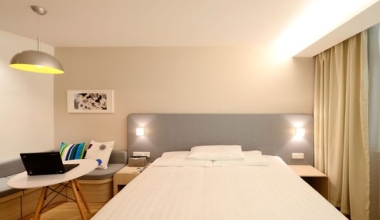
Combining sheer and blackout curtains gives you ultimate control over light and privacy. Sheer curtains filter harsh sunlight while maintaining a soft, diffused glow, and blackout curtains block light entirely when needed. By layering them on the same rod or separate tracks, you can adjust between complete darkness and gentle illumination with ease.
During the day, keep the sheers closed to enjoy natural light without glare, while at night or for movie sessions, draw the blackout curtains for total privacy. This dual-layer system is ideal for bedrooms, nurseries, and home theaters where light control is paramount.
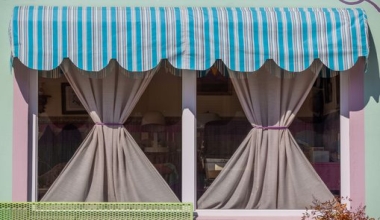
For added flexibility, use a double curtain rod system. Install sheers over the back rod and blackout curtains on the front rod, or vice versa. This allows independent operation so you can slide each layer separately to achieve the perfect balance.
___PROTECTED_1___
2. Enhance Aesthetics with Layering
Layering sheer and blackout curtains adds depth and dimension to any room. Sheers provide an airy, ethereal look, while blackout curtains bring weight and texture. Together, they create a visually rich window treatment that can elevate your interior design.
Choose complementary colors—for example, white sheers with charcoal blackout curtains for a modern contrast, or ivory sheers with navy velvet for a luxurious feel. Patterns can also be mixed: a subtle geometric sheer with a solid blackout curtain adds interest without overwhelming the space.
Don't forget the hardware. Decorative curtain rods and finials can become focal points. Consider using a double rod with decorative brackets that complement your decor style—whether modern, traditional, or bohemian.
___PROTECTED_2___
3. Save Energy and Protect Furniture
Blackout curtains are excellent insulators, reducing heat loss in winter and keeping rooms cooler in summer. When combined with sheers, you can enjoy the insulating benefits of blackout curtains while still allowing some natural light during the day through the sheer layer.
This combination also protects your furniture and flooring from UV damage. Sheers filter a portion of UV rays, while blackout curtains block most of them. Together, they minimize fading of upholstery, carpets, and artwork.
Energy savings can be significant. According to the U.S. Department of Energy, using blackout curtains can reduce heat loss by up to 25% in winter. By pairing with sheers, you maintain comfort without sacrificing natural light.
4. Choose the Right Fabrics
Not all sheers and blackout curtains are equal. For sheers, opt for materials like polyester, linen, or cotton blends. These fabrics offer varying degrees of transparency and durability. Linen sheers have a natural, casual look, while polyester sheers are more wrinkle-resistant and affordable.
Blackout curtains come in several styles: traditional foam-backed, triple-weave, or coated. Triple-weave blackout curtains are often more breathable and longer-lasting. Velvet blackout curtains add a luxurious feel and excellent sound absorption. Acoustic blackout curtains are ideal for reducing noise.
When choosing, consider the weight of the fabric—heavy blackout curtains may require stronger rods and brackets. Test the light-blocking ability by holding the fabric up to a light source before purchasing.
5. Install Properly for Best Effect
Proper installation maximizes the benefits of your curtain combination. Measure your window width and add extra on each side (typically 4-8 inches) to ensure full coverage. For blackout curtains, it's crucial to mount the rod high and wide enough to prevent light gaps.
Use a double curtain rod or a track system with two channels. Ensure the rod is sturdy enough to support the weight of both layers. Ceiling mounts can create a seamless, floor-to-ceiling look that enhances the room's height.
For a professional finish, consider using curtain rings or grommets. Sheers often look best with a rod pocket or tab top, while blackout curtains may use grommets for easy sliding. Ensure the sheers are slightly shorter than the blackout curtains to avoid bunching.
6. Mix Colors and Patterns
One of the joys of combining sheer and blackout curtains is the creative freedom to mix colors and patterns. Start with a neutral base—white or cream sheers—and add a bold blackout curtain in a vibrant hue or striking pattern. This approach keeps the room fresh and adaptable.
Alternatively, use a patterned sheer with a solid blackout curtain. Floral or geometric sheers can add a touch of whimsy, while the solid blackout anchors the design. For a monochromatic look, choose sheers and blackout curtains in different shades of the same color to create subtle depth.
Don't forget texture. A linen sheer paired with a velvet blackout curtain introduces tactile variety that enriches the space. Experiment with samples before committing to ensure the combination works in your lighting conditions.
7. Use in Different Rooms
Every room benefits from the sheer + blackout combination in unique ways. In bedrooms, prioritize blackout function for sound sleep, but keep sheers for daytime privacy without darkening the room. In living rooms, sheers alone may suffice during the day, with blackout curtains ready for TV viewing or afternoon naps.
Home offices can use sheers to reduce computer glare while blackout curtains help minimize outside distractions during video calls. For south-facing rooms, blackout curtains can block intense afternoon heat, while sheers allow morning light.
In shared spaces like open-plan kitchens, a light-filtering sheer with a thermal blackout curtain can help regulate temperature and reduce noise from appliances. Consider your specific needs for each room to tailor the combination.
8. Maintain and Clean Effectively
Sheer curtains are delicate and often require gentle care. Most sheers can be machine-washed on a delicate cycle in cold water, then air-dried. Avoid wringing to prevent wrinkles. Iron on a low setting if needed. Blackout curtains may have a coating that requires special attention—check the manufacturer's label.
For blackout curtains with foam backing, spot cleaning with a mild detergent is usually recommended. Some triple-weave blackout curtains are machine-washable. Regularly vacuuming curtains with a brush attachment can prevent dust buildup.
Rotate your curtains periodically to ensure even wear. Sun exposure can fade fabrics over time, especially with sheers. Using a sheer layer in front of blackout curtains can actually protect the blackout fabric from direct sunlight, prolonging its life.
9. Consider Motorization Options
For ultimate convenience and a modern touch, consider motorizing your curtain layers. Motorized systems allow you to control sheers and blackout curtains via remote, smartphone app, or voice assistant. This is especially beneficial for hard-to-reach windows or large sliding doors.
Electric track systems can handle both layers simultaneously. You can program them to open sheers in the morning and close blackout curtains at sunset. Some systems integrate with home automation for energy savings and enhanced security.
While motorization adds cost, it increases the longevity of curtains by reducing manual handling. It's an excellent investment for smart homes or for those with mobility challenges. Many brands now offer battery-operated options that are easy to retrofit.
10. Cost-Effective Solutions
Combining sheer and blackout curtains doesn't have to be expensive. Look for sales at home decor stores or online retailers. Mixing high-end blackout curtains with budget-friendly sheers (or vice versa) can achieve a designer look without breaking the bank.
Consider DIY options: purchase unlined blackout fabric and sew your own curtains, or buy ready-made blackout curtains and add a sheer overlay from discount fabric. Another cost-saving tip is to use a single rod with clip rings, layering the two panels together—though this limits independent movement.
Invest in quality hardware first; it's a one-time cost that supports multiple curtain sets. Over time, you can upgrade individual layers. Remember that energy savings from blackout curtains can offset the initial investment, especially in extreme climates.