When designing a hotel room, every detail contributes to the guest experience—and perhaps none is more critical than the ability to control light. Room darkening curtains for hotels are not just a luxury; they are a necessity. Studies show that guests rank sleep quality as the top factor in hotel satisfaction, and blackout curtains are the single most effective tool for achieving complete darkness. This guide covers everything hoteliers, interior designers, and purchasing managers need to know to select the perfect blackout curtains for their properties.
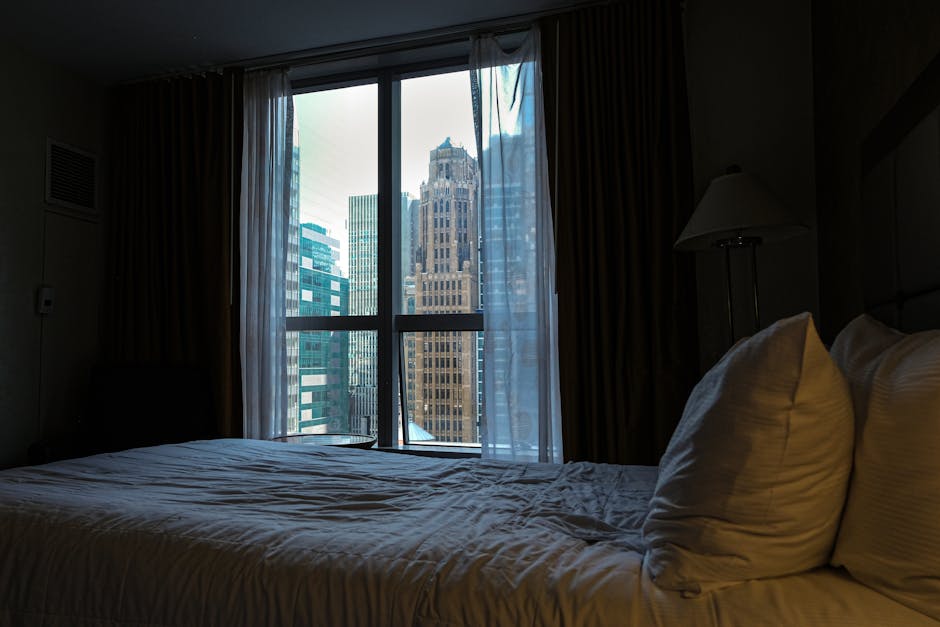
Why Room Darkening Curtains Matter for Hotels
Hotel guests come from different time zones and have varying sleep schedules. A business traveler from New York trying to sleep at 4 p.m. in Los Angeles requires pitch‑black conditions. Room darkening curtains eliminate light leakage from street lamps, morning sun, and neon signs, directly improving sleep quality and guest reviews. Additionally, blackout fabrics help regulate room temperature, reducing heating and cooling costs by blocking solar heat gain or heat loss. They also provide privacy and can dampen outside noise when combined with acoustic linings. In a competitive hospitality market, investing in high‑performance curtains yields immediate ROI through higher occupancy rates and positive online ratings.
___PROTECTED_1___
Key Features of High‑Quality Hotel Blackout Curtains
Not all blackout curtains are created equal. For hotel‑grade performance, look for these critical attributes:
- Total light blockage (0% light transmission): The fabric must be certified to block 100% of light, not just reduce it. Multi‑layer constructions or tightly woven blackout linings achieve this.
- Thermal insulation: A thermal backing or interlining improves energy efficiency. Look for fabrics with high R‑value or a foil layer that reflects heat.
- Sound absorption: Hotels in noisy areas benefit from acoustic‑rated curtains. Velvet and multi‑layer fabrics with mass‑loaded vinyl (MLV) can reduce noise by up to 50%.
- Fire retardancy: All commercial curtains must meet local fire codes (e.g., NFPA 701 or BS 5867). Verify certifications before purchasing.
- Durability and easy maintenance: Hotel curtains undergo frequent cleaning. Choose fabrics that are machine‑washable, shrink‑resistant, and colorfast.
___PROTECTED_2___
Fabric Options: Blackout, Velvet, Sheer, and Acoustic
Choosing the right fabric depends on the hotel’s aesthetic, budget, and functional needs. Here’s a detailed comparison:
| Fabric Type | Light Blockage | Acoustic Performance | Thermal Insulation | Best For |
|---|---|---|---|---|
| Blackout (polyester or cotton blend with coating) | 99‑100% | Low to moderate | High (with foam or foil backing) | Standard guest rooms, budget‑friendly solution |
| Velvet | 95‑100% (dense pile) | High (fabric density absorbs sound) | Moderate to high | Luxury suites, elegant lobbies, noise‑sensitive areas |
| Sheer (with blackout lining) | Variable (100% only with lining) | Low | Low | Daytime layering – keep view while blocking light at night |
| Acoustic (multi‑layer with mass‑loaded vinyl) | 99‑100% | Very high (STC 25‑30+) | High | Conference rooms, ballrooms, hotels near airports or highways |
Practical tip: Many hotels combine a sheer curtain for daytime privacy with a blackout velvet or acoustic curtain for nighttime. This gives guests control over light and view while maintaining an upscale look.
Measuring and Installation Tips for Hotel Rooms
Improper measurement ruins the effect of even the best curtains. Follow these guidelines:
- Overlap the window frame: Mount the curtain rod 6–12 inches above the window frame and extend 6–12 inches on each side. This prevents light from seeping around the edges.
- Floor‑length or puddle: For a polished hotel look, curtains should touch the floor (or have a slight 1–2 inch puddle). Avoid short curtains that leave a gap.
- Use blackout liners or interlinings: If the decorative fabric is not fully blackout, add a separate blackout lining. Clip‑on or sew‑in liners are easy to replace.
- Consider motorization: Automated curtains offer convenience for guests and reduce wear and tear from manual handling. They also allow integration with room management systems.
- Test for light leaks: After installation, check all edges—top, bottom, and sides—with a bright flashlight. Use magnetic side seals or Velcro strips to close gaps.
Care and Maintenance Best Practices
Hotel curtains collect dust, odors, and stains. Follow these steps to extend their lifespan:
- Vacuum regularly: Use a brush attachment to remove dust from both sides. This reduces allergens and keeps fabric fresh.
- Spot clean stains immediately: Use a mild detergent and cold water. Test on a hidden area first.
- Professional cleaning every 6–12 months: Many blackout fabrics are dry‑clean or machine‑wash (check care label). For velvet, always dry clean to avoid crushing the pile.
- Rotate curtains seasonally: If your hotel has seasonal sun exposure, rotate curtains from sunny to shady windows to prevent uneven fading.
- Inspect hardware: Check rings, tracks, and motor systems quarterly. Lubricate moving parts and replace worn components immediately.
Buying Guide: What to Look For
Here is a quick checklist to evaluate any curtain supplier:
- ✔ Fire safety certifications (NFPA 701, BS 5867, etc.)
- ✔ Light transmission rating (L0 or L1 per ISO 13726)
- ✔ Thermal resistance (R‑value) – request test data
- ✔ Acoustic performance (NRC or STC ratings) if needed
- ✔ Fabric weight and drape – test sample on site
- ✔ Warranty – minimum 5 years for commercial use
- ✔ Custom sizing and color matching
- ✔ Sample return policy – always order swatches first
Practical tip: Request a mock‑up in a real hotel room before committing to a large order. Use a lux meter to measure light levels before and after installation to confirm performance.
Application Cases: Real‑World Examples
Here are two brief industry cases:
Case 1 – Luxury Boutique Hotel, Paris: A 40‑room hotel near a busy avenue installed triple‑layer velvet blackout curtains with acoustic liners. Guest complaints about street noise dropped by 70%, and online reviews praising the “complete silence and darkness” increased by 25%.
Case 2 – Budget Business Hotel, Chicago: To reduce costs, the hotel chose polyester blackout curtains with integrated thermal lining. After one year, energy bills decreased by 12% and guest satisfaction scores for sleep quality rose from 3.8 to 4.5 out of 5.
Selecting the right room darkening curtains for hotels is an investment in guest comfort, energy savings, and brand reputation. Always prioritize certified blackout capabilities, fire safety, and proper installation. By following this guide, you’ll create a sleep‑friendly environment that keeps guests coming back.