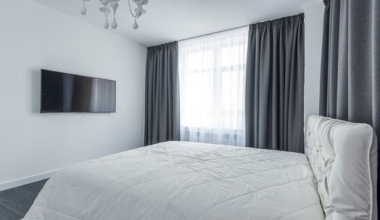
Blackout curtains are a popular choice for bedrooms and media rooms because they block light effectively. However, their thick, layered construction can also trap moisture, creating an ideal environment for mold growth. Mold on blackout curtains is not only unsightly but can also cause health issues like allergies and respiratory problems. Removing mold safely is essential to preserve the curtains' fabric and protective coatings. Follow this step-by-step guide to clean mold from your blackout curtains without damaging them.

Step 1: Identify the Type and Extent of Mold
Before you start cleaning, inspect the curtains thoroughly. Mold can appear as black, green, or white spots. Determine whether the mold is only on the surface or has penetrated deeper into the fabric. Surface mold can often be cleaned at home, while deep mold may require professional treatment or replacement. Tip: Use a flashlight to check hidden areas like folds and the lining. If you see signs of mold on both sides or a musty odor persists, the growth may be extensive.
___PROTECTED_1___
Step 2: Prepare Your Work Area and Gather Supplies
Mold spores can become airborne during cleaning, so take precautions. Work in a well-ventilated area, preferably outdoors or near an open window. Wear protective gear: an N95 mask, rubber gloves, and safety goggles. Collect these supplies:
- Vacuum cleaner with a HEPA filter
- White vinegar or hydrogen peroxide (3%)
- Baking soda
- Soft-bristled brush or sponge
- Mild laundry detergent (free of bleach and fragrances)
- Bucket, spray bottle, and clean cloths
- Large basin or bathtub for hand washing
Warning: Do not use bleach on blackout curtains. Bleach can damage the light-blocking coating and cause discoloration. Vinegar and hydrogen peroxide are safer alternatives that kill mold effectively.
___PROTECTED_2___
Step 3: Vacuum Loose Mold Spores
Before wet cleaning, use the HEPA vacuum with a soft brush attachment to gently remove loose mold spores from the surface of the curtains. This step reduces the amount of mold you'll need to scrub later and prevents spores from spreading. Work from top to bottom, overlapping strokes. Empty the vacuum canister or dispose of the bag immediately in a sealed plastic bag.
Step 4: Pre-Treat Mold Stains
Spray the affected areas with undiluted white vinegar or hydrogen peroxide. Let the solution sit for 15–30 minutes to penetrate and kill the mold. For stubborn spots, make a paste of baking soda and water (3 parts baking soda to 1 part water) and apply it to the stains. Gently scrub with a soft brush, then wipe with a damp cloth. Tip: Test the solution on a small, inconspicuous area first to ensure it doesn't discolor the fabric.
Step 5: Hand Wash the Curtains
Fill a bathtub or large basin with cold water and add a small amount of mild detergent. Submerge the curtains and gently agitate them with your hands. Avoid twisting or wringing, which can damage the lining. Use a soft sponge to dab at any remaining mold spots. Rinse thoroughly with cool water until all soap is gone. Warning: Do not put blackout curtains in a washing machine unless the manufacturer's label specifically allows it. Machine washing can break down the foam or coating used for light blockage.
Step 6: Dry the Curtains Completely
Mold thrives in moisture, so drying is critical. Hang the curtains outdoors in direct sunlight—the UV rays help kill any remaining mold spores. If outdoor drying isn't possible, use a clothesline indoors or tumble dry on the lowest heat setting. Ensure the curtains are completely dry before rehanging, as any dampness can trigger mold regrowth. Tip: If you use a dryer, check the manufacturer's care instructions; some blackout curtains cannot tolerate heat.
Step 7: Rehang and Prevent Future Mold
Once dry, rehang your blackout curtains. To prevent mold from returning, reduce humidity in the room. Use a dehumidifier, especially in humid climates, and ensure proper ventilation. Pull curtains back during the day to allow airflow. Avoid placing curtains too close to windows where condensation forms. Regularly inspect and vacuum them every few months. Additional Tip: For sheer or velvet blackout curtains, use a gentler approach: spot-clean only and avoid soaking velvet fabrics.
Additional Tips for Specific Curtain Types
Sheer blackout curtains: These are delicate. Use a diluted vinegar spray (1 part vinegar to 3 parts water) and blot gently. Do not scrub. Dry flat away from direct heat.
velvet blackout curtains: Velvet is prone to crushing. Vacuum with a brush attachment, then use a foam cleaner designed for upholstery. Test in an inconspicuous spot first.
Acoustic curtains: If your curtains have a heavy soundproofing layer, avoid soaking. Spot-treat with a vinegar solution and use a steam cleaner on low heat if needed.
If mold covers more than 30% of the curtain area or if you have health concerns, consider professional cleaning or replacing the curtains.
By following these steps, you can safely remove mold from your blackout curtains and extend their life. Regular maintenance will keep your curtains looking fresh and your indoor air quality healthy.