Choosing between polyester and linen curtains can significantly impact the look, feel, and functionality of your space. Both fabrics have distinct characteristics, and the right choice depends on your priorities—whether it’s durability, light control, cost, or environmental footprint. This comprehensive guide breaks down everything you need to know to make an informed decision.
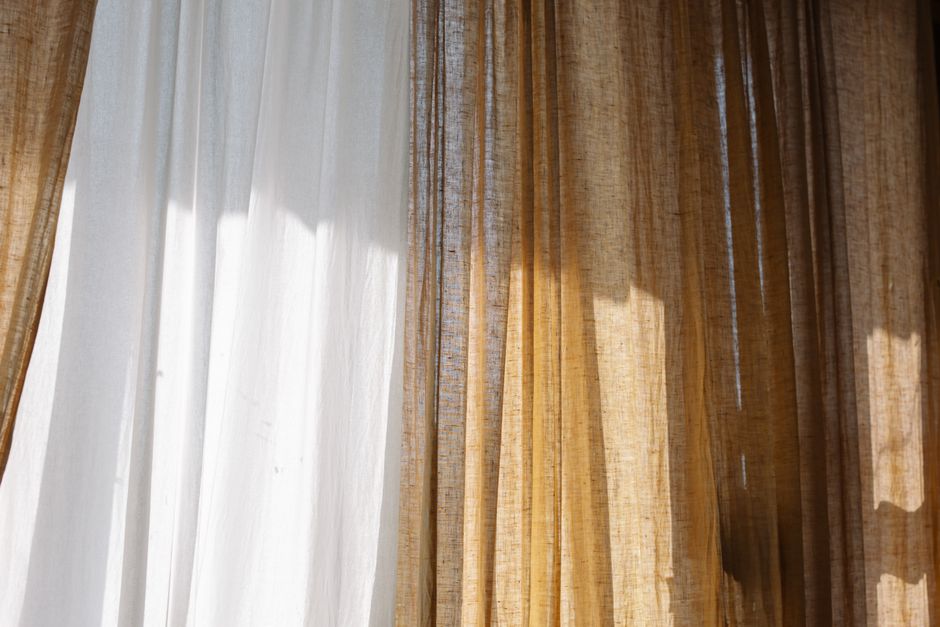
Key Differences Between Polyester and Linen Curtains
Polyester and linen sit at opposite ends of the fabric spectrum. Polyester is a synthetic fiber known for its durability and affordability, while linen is a natural fiber prized for its breathability and timeless elegance. Below is a quick comparison table highlighting the main differences:
| Feature | Polyester Curtains | Linen Curtains |
|---|---|---|
| Material | Synthetic (petroleum-based) | Natural (flax plant) |
| Durability | High – resists wrinkles, fading, and shrinking | Moderate – prone to wrinkling and may fade in direct sun |
| Light Control | Excellent – available in blackout or sheer options | Good – typically semi-sheer to medium opacity |
| Texture & Feel | Smooth, slightly plastic-like; can mimic linen | Natural slub texture, soft and breathable |
| Maintenance | Easy – machine washable, quick dry, no ironing needed | High maintenance – dry clean or gentle wash, ironing required |
| Cost | Affordable ($10–$50 per panel) | Expensive ($50–$200+ per panel) |
| Environmental Impact | Non-biodegradable; uses fossil fuels | Biodegradable; requires less energy to produce |
___PROTECTED_1___
Durability and Maintenance
Polyester: Built to Last
Polyester curtains are extremely durable. The synthetic fibers resist stretching, shrinking, and wrinkles, making them ideal for high-traffic areas or homes with children and pets. They can be machine washed on a gentle cycle and tumble dried on low—no ironing required. However, polyester can attract static and dust, so occasional vacuuming with a brush attachment helps.
- Tip: To reduce static cling, add a dryer sheet or use a fabric softener during washing.
- Caution: Avoid high heat drying as it can melt or distort polyester fibers.
Linen: Delicate and Time-Consuming
Linen is a natural fiber that softens with each wash but is prone to wrinkling and may shrink if not handled properly. Most linen curtains require dry cleaning or a gentle hand wash in cold water. They should never be wrung out—instead, roll in a towel to absorb moisture and hang to dry. Ironing while damp is recommended for a crisp look, though many people prefer the relaxed, wrinkled aesthetic.
- Tip: Use a steamer to remove wrinkles quickly without damaging the fibers.
- Tip: Linen curtains benefit from lining, which adds weight and reduces sun damage.
___PROTECTED_2___
Light Control and Privacy
Polyester Offers Versatility
Polyester curtains are available in a wide range of opacities—from sheer to blackout. Blackout polyester curtains are a popular choice for bedrooms and media rooms because they block up to 99% of light. The tightly woven fibers also provide excellent privacy. For a softer look, polyester sheers diffuse light beautifully while maintaining daytime privacy.
Linen Provides a Natural Filter
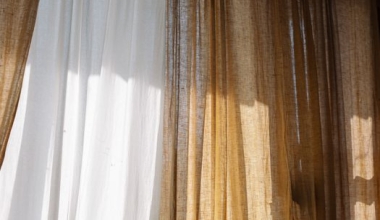
Linen is naturally semi-sheer. Even double-width linen curtains allow some light to pass through, creating a warm, inviting glow. This makes linen ideal for living rooms and dining areas where you want to balance daylight with privacy. However, if total blackout is needed, linen alone won’t suffice. Consider layering with a blackout lining or using a separate blackout curtain behind the linen.
- Tip: For bedrooms, choose lined linen curtains to improve light blockage and insulation.
Aesthetic Appeal and Texture
Polyester Can Mimic Natural Fabrics
Modern polyester curtains often replicate the look of linen or cotton with a slubbed texture. While they lack the breathability of natural fibers, they offer a consistent color and drape. Polyester is also excellent for bold, vibrant prints that won’t fade quickly. However, it can appear shiny or plastic-like in low-quality versions.
- Tip: Opt for a matte finish polyester to better mimic natural fabrics.
Linen: Timeless Elegance
Linen’s natural slubs, irregularities, and slight stretch give it an organic, lived-in charm that many design enthusiasts love. The fabric drapes beautifully and softens over time, creating a relaxed yet sophisticated look. Linen is available in earthy tones and classic whites—perfect for coastal, farmhouse, or Scandinavian interiors.
- Tip: Hang linen curtains high and wide to emphasize their graceful drape.
Cost and Value
Polyester curtains are undeniably budget-friendly, with prices starting as low as $10–$20 per panel. They offer great value for money because they last for years with minimal upkeep. In contrast, linen curtains are an investment—premium linen can cost $100–$300 per panel. However, linen’s durability (if cared for properly) means it can last decades, and its natural beauty often retains resale value in a home.
| Cost Factor | Polyester | Linen |
|---|---|---|
| Initial price per panel | $10 – $50 | $50 – $200+ |
| Lifespan | 5–10 years | 10–20+ years |
| Maintenance cost | Low | High (dry cleaning) |
Environmental Impact
Polyester is derived from petroleum, a non-renewable resource, and is not biodegradable. Its production emits greenhouse gases and microplastics can shed during washing. On the positive side, recycled polyester (rPET) is becoming more common, offering a more eco-friendly option. Linen, on the other hand, is made from flax, a renewable plant that requires less water and pesticides than cotton. Flax is biodegradable and compostable at the end of its life. However, linen production can be energy-intensive, and the dyeing process may involve chemicals.
- Tip: Look for Oeko-Tex certified polyester or organic linen to ensure fewer harmful chemicals.
Which One Should You Choose?
Here are practical scenarios to guide your decision:
- Choose polyester if: you’re on a budget, need blackout curtains, have kids or pets, or want easy-care options.
- Choose linen if: you prioritize natural materials, love a relaxed aesthetic, want breathable fabrics, or are styling a high-end interior.
- Compromise: Consider polyester-linen blends (often 50/50) that balance durability, affordability, and natural texture.
For living rooms where you entertain, linen’s elegance is hard to beat. For bedrooms where you need complete darkness, blackout polyester is the practical champion. And for a dining room that gets afternoon sun, a medium-weight polyester-linen blend can be the perfect middle ground.
Conclusion
Both polyester and linen curtains have their merits. Polyester offers unbeatable durability, low maintenance, and affordability, while linen provides natural beauty, breathability, and a timeless appeal. Assess your specific needs—light control, care routine, budget, and style—to make the best choice. Whichever you pick, high-quality curtains are an investment in your home’s comfort and character.