Velvet Curtains add a touch of luxury, warmth, and sophistication to any room. But if you've ever discovered a telltale hole in your favorite drapes, you know the sinking feeling that comes with a moth infestation. So, do moth-proof velvet curtains actually exist? The short answer is: not in the absolute sense, but you can get very close. In this comprehensive guide, we'll explore what makes velvet attractive to moths, which fabrics are naturally resistant, and how to choose and care for curtains that will stay beautiful for years.
Understanding the Moth Threat to Velvet Curtains
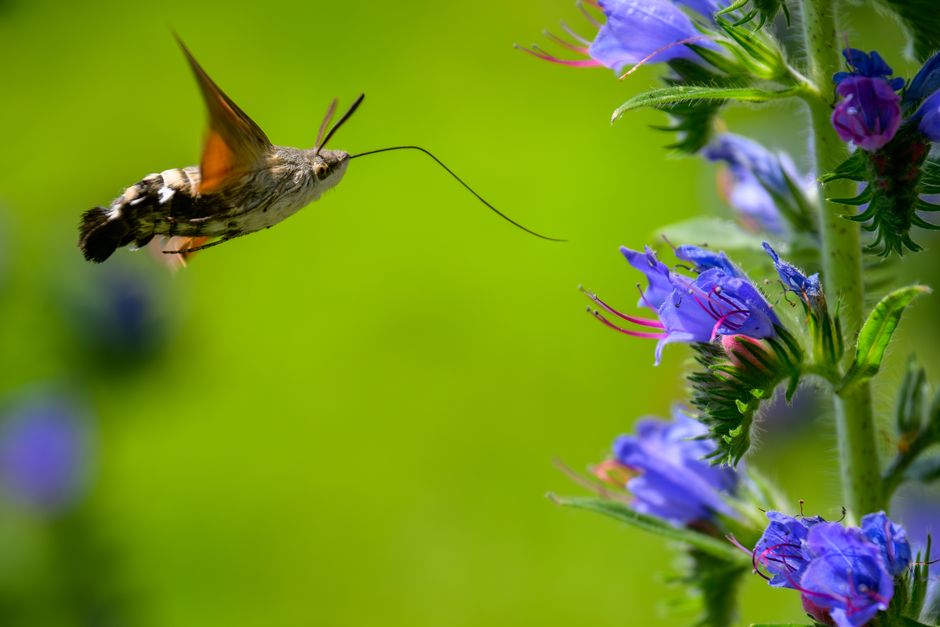
Moths are not after your curtains for spite—they're after keratin, a protein found in natural fibers like wool, silk, cashmere, and even the silk used in some velvets. The larvae (caterpillars) do the damage as they feed on these fibers. Velvet, with its dense pile and often natural fiber content, can be a prime target. But not all velvets are created equal. The key lies in the fiber composition, weave density, and any chemical treatments applied.
___PROTECTED_1___
What Makes Velvet Attractive to Moths?
Natural vs. Synthetic Fibers
Moths are attracted to animal-based proteins. Velvet made from silk, wool, or a blend containing these fibers is far more susceptible. In contrast, synthetic velvets (polyester, nylon, acrylic) are not digestible by moth larvae and are therefore naturally resistant. Cotton velvet is less attractive than silk or wool but not immune—moths will still attack if food sources are scarce.
Dust and Humidity
Moths thrive in dark, undisturbed places with moderate humidity and warmth. Velvet's plush texture can trap dust, skin flakes, and food particles—all of which can attract other pests and create a welcoming environment for moths. Regular vacuuming and airing out curtains reduce this risk significantly.
___PROTECTED_2___
What Does "Moth-Proof" Actually Mean?
Terms like "moth-proof" or "moth-repellent" on curtain labels can be misleading. No fabric is permanently 100% immune to moth damage, especially if conditions are ideal. True moth-proofing usually refers to:
- Inherent fiber resistance: Synthetic fibers that moths cannot digest.
- Chemical treatments: Fabrics treated with permethrin or other insecticides during manufacturing. These can last through several washes but are not permanent.
- Dense weave: Tightly woven fabrics are harder for larvae to penetrate, even if the fiber itself is edible.
Always check the care label for fiber content and treatment details. If a curtain claims to be moth-proof, ask the supplier what that means in practice.
How to Choose Truly Moth-Resistant Velvet Curtains
Here are practical steps to select curtains that minimize moth risk:
- Go synthetic: Polyester velvet (often labeled as "velveteen" or "velour") is your best bet. It mimics the look and feel of real velvet but is indigestible to moths.
- Look for blended velvets: Cotton-polyester blends offer a natural feel with synthetic protection. Avoid high wool or silk content unless you're prepared for extra care.
- Check for anti-moth treatments: Some brands apply insect-repellent coatings. These can be effective but may require reapplication after cleaning.
- Examine the weave: High-quality velvet with a tight, dense pile and strong backing (like a cotton sateen or polyester backing) is less vulnerable.
Top Fabrics and Treatments That Deter Moths
| Fabric Type | Moth Resistance | Pros | Cons |
|---|---|---|---|
| Polyester Velvet | Excellent (inherent) | Durable, affordable, easy care, colorfast | Less breathable, may not have same sheen as silk |
| Cotton Velvet | Moderate (low risk) | Natural look, breathable | Can attract dust, needs regular cleaning |
| Silk Velvet | Poor (high risk) | Luxurious drape and sheen | Expensive, delicate, requires professional cleaning |
| Wool Velvet | Poor (very high risk) | Warmth, natural flame retardant | Moth magnet, requires frequent inspection |
| Treated Synthetic Velvet | Very good (with treatment) | Combined with stain resistance | Treatment may wear off after washes |
DIY Moth Prevention Tips for Velvet Curtains
Even if you choose the most resistant velvet, maintenance is crucial. Follow these tips:
- Vacuum regularly: Use a soft brush attachment to gently vacuum both sides of the curtains every few weeks. This removes eggs, larvae, and dust.
- Shake them out: Take curtains down and shake them outdoors to dislodge debris.
- Sunlight and air: Moths dislike light and moving air. Open curtains during the day and allow air circulation.
- Use natural repellents: Place cedar blocks or lavender sachets near the curtains (but not directly on the fabric to avoid staining).
- Store properly: If storing velvet curtains, clean them first and seal in airtight bags with moth repellent.
- Monitor: Inspect your curtains periodically for signs of damage or small moths flying near them.
Are There 100% Moth-Proof Curtains? The Verdict
Strictly speaking, no curtain is absolutely moth-proof forever. However, you can achieve near-complete protection by choosing synthetic velvet, ensuring proper care, and using preventive measures. For those committed to natural fibers, regular professional cleaning and constant vigilance are required. The term "moth-proof" is more of a marketing promise than a guarantee; always read the fine print.
Conclusion: Practical Recommendations
If you want the luxurious look of velvet without the moth worry:
- Best option: Polyester or high-quality synthetic velvet curtains.
- Budget-friendly: Cotton-polyester blends with a tight weave.
- For highly infested areas: Look for curtains explicitly labeled as moth-repellent or treated with anti-insect finishes.
- No matter what you choose: Implement a regular cleaning routine and use natural repellents.
With the right fabric and care, you can enjoy beautiful velvet curtains that stay intact for years—just don't expect miracles from mother nature.