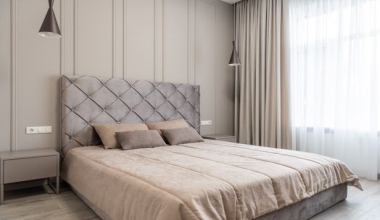
Blackout curtains are renowned for their functionality—blocking light, improving sleep, and enhancing privacy. But many homeowners worry that these practical drapes sacrifice style. The truth is, with the right design choices, blackout curtains can be just as elegant as any other window treatment. Whether you’re dressing a bedroom, living room, or home theater, these seven tips will help you transform your blackout curtains from utilitarian to luxurious.
1. Choose the Right Fabric
The fabric is the foundation of elegance. While standard polyester blackout curtains are affordable, they often look flat and cheap. Instead, opt for velvet, which offers a rich, plush texture that catches light beautifully. Velvet blackout curtains in deep colors like emerald, navy, or burgundy instantly elevate a room. Another option is a linen-cotton blend with a blackout lining—linen adds natural texture and a relaxed sophistication. For a more tailored look, consider faux silk or damask fabrics with a blackout coating. The key is to select a fabric that drapes well and has visual depth.
Don’t forget the lining. Some blackout curtains have a white or silver backing that can be visible from the front. For elegance, choose curtains with a matching or complementary colored lining. Alternatively, opt for curtains that have the blackout layer sandwiched between two layers of decorative fabric, so no unattractive backing shows.
___PROTECTED_1___
2. Incorporate Decorative Hardware
The curtain rod and finials are jewelry for your windows. Instead of thin, plain rods, choose substantial metal or wood rods that complement your décor. Wrought iron rods with ornate finials add a traditional feel, while sleek brushed nickel or brass rods suit modern spaces. Consider using a double rod set if you plan to layer curtains (see tip #3).
Finials are the exclamation point on your curtain rod. Look for decorative shapes like crystal spheres, antique bronze arrowheads, or carved wood pineapples. These small details draw the eye and signal that the curtains are intentional design elements, not just functional covers.
___PROTECTED_2___
3. Add Layered Curtains
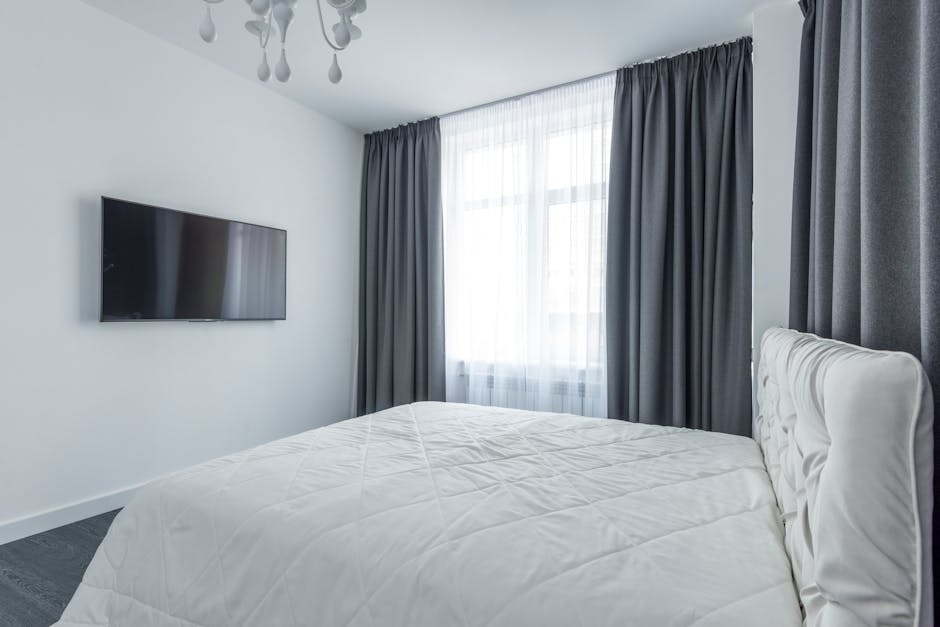
Layering is a classic design technique that adds depth and sophistication. Start with a sheer or semi-sheer curtain behind your blackout panels. The sheers soften the window, filter light during the day, and create a sense of airiness. When the blackout curtains are open, the sheers provide privacy without blocking all light. For a formal look, add a valance or cornice board across the top to hide the hardware and create a polished finish.
Another layering idea: use two blackout panels that are slightly different in color or texture. For example, a pair of charcoal velvet blackout curtains layered over matching linen ones adds visual interest while maintaining darkness. This works particularly well in large windows where a single set might look sparse.
4. Use Proper Length and Width
Elegant curtains are never skimpy. For a luxurious appearance, your blackout curtains should “puddle” on the floor—meaning they extend 1-2 inches onto the floor, creating a soft pool of fabric. Alternatively, a “kiss” length (just touching the floor) is perfectly tailored. Avoid curtains that hover above the floor, as they look awkward and cheap.
Width is equally important. The curtain rod should extend 6-12 inches beyond the window frame on each side, and the total curtain width should be at least 2 to 2.5 times the width of the window. This fullness allows the fabric to gather in pleats or ripples when closed, adding body and elegance. For a truly opulent look, go for 3x fullness.
5. Select Elegant Colors and Patterns
Black doesn’t have to be boring. While black blackout curtains are classic, jewel tones like sapphire, amethyst, and ruby exude luxury. Soft neutrals like ivory, taupe, and dove gray provide a sophisticated backdrop that works in any room. If you prefer patterns, choose subtle ones such as a tone-on-tone stripe, a delicate floral, or a large-scale geometric.
Consider the room’s color palette. For a cohesive look, pull a color from your wallpaper, rug, or throw pillows. Alternatively, create contrast: dark curtains in a light room anchor the space and add drama. Remember that darker colors also hide light leakage better, enhancing the blackout performance.
6. Add Trim or Fringes
Details make the difference. Adding trim, tassels, or fringe to your blackout curtains is an easy way to inject personality and elegance. Bullion fringe along the bottom edge creates a traditional, upholstered look. Beaded trim adds sparkle and movement. For a modern twist, use a contrasting ribbon sewn along the inner edge or a metallic grommet tape.
You can buy ready-made curtains with trim, or add it yourself with fabric glue or sewing. Many custom curtain makers offer a selection of trims. Just be sure the trim complements the fabric weight and style—lightweight linen calls for subtle trim, while heavy velvet can handle bold, chunky fringe.
7. Consider Custom Linings
If you’re investing in custom blackout curtains, think about the lining. A decorative lining that matches or contrasts with the room’s décor adds an unexpected touch of elegance when the curtains are open and the lining is visible from outside. For example, a gold or bronze lining on navy curtains creates a striking reverse side.
Another option is to choose a blackout lining with a printed pattern, like a subtle damask or a scenic design. This turns the back of your curtains into a feature, especially if your windows are visible from the street or garden. Custom linings also allow you to control the level of light blocking and insulation, tailoring the curtains to your exact needs.
By following these seven tips, you can enjoy the practical benefits of blackout curtains without sacrificing style. Remember that elegance lies in the details—fabric choice, hardware, layering, proper sizing, color, trim, and lining. With a little intentionality, your blackout curtains will become a stunning focal point in any room. Start by evaluating your current curtains and pick one or two tips to implement. Your room will thank you.