Understanding Acoustic Curtain Fabric Thickness
When selecting acoustic curtains for noise control, one of the most critical factors is fabric thickness. But thickness alone isn't the whole story—it's the combination of mass, density, and construction that determines how well a curtain absorbs sound. In this guide, we'll break down what acoustic curtain fabric thickness really means, how it impacts performance, and how to choose the right thickness for your space.
___PROTECTED_1___
Why Thickness Matters for Sound Absorption
Sound waves travel through air and vibrate against surfaces. Thicker fabrics provide more mass, which helps dampen those vibrations. The principle of mass law states that doubling the mass per unit area can increase sound transmission loss by about 6 dB. However, acoustic curtains are not just about mass; they also rely on porous materials to trap sound energy. So, while thickness contributes to better absorption, the fabric's weave, fiber type, and layering also play key roles.
The Role of Fabric Density
Density (measured in grams per square meter, GSM) directly correlates with thickness. A high-GSM fabric (e.g., 500+ GSM) will be thicker and heavier, offering superior sound absorption compared to a low-GSM fabric. For acoustic purposes, aim for curtains with a GSM of at least 300–400 for moderate noise reduction, and 500+ for significant sound dampening.
Fabric Construction: Weave and Pile
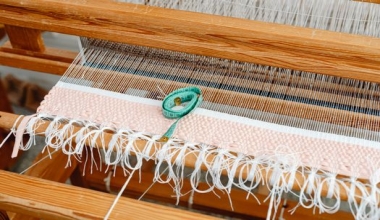
The way a fabric is woven affects its acoustic properties. Tight weaves block sound but may reflect it, while loose weaves or pile fabrics (like velvet) trap sound waves. Velvet acoustic curtains, for example, have a dense pile that creates numerous air pockets—ideal for absorbing mid to high frequencies. Thicker pile fabrics usually offer better absorption.
___PROTECTED_2___
Standard Thicknesses for Acoustic Curtain Fabrics
| Thickness Category | Fabric Weight (GSM) | Typical Sound Absorption (NRC) | Best Use |
|---|---|---|---|
| Lightweight | 200–300 GSM | 0.10–0.25 | Light echo reduction, residential rooms |
| Medium-weight | 300–450 GSM | 0.25–0.45 | Home theaters, offices, classrooms |
| Heavyweight | 450–600+ GSM | 0.45–0.70+ | Recording studios, auditoriums, industrial spaces |
Note: NRC (Noise Reduction Coefficient) ranges from 0 (no absorption) to 1 (perfect absorption). Acoustic curtains rarely exceed 0.80 NRC due to their mounting limitations.
How to Measure Acoustic Curtain Fabric Thickness
Thickness is typically measured in millimeters (mm) or via fabric weight (GSM). While GSM is a more reliable indicator of acoustic performance, you can also check the physical thickness: lightweight curtains are about 0.5–1 mm, medium-weight 1–2 mm, and heavyweight 2–5 mm. For maximum effect, look for multilayered curtains with a thick inner core.
Factors That Influence Required Thickness
Room Size and Acoustics
Large, reverberant rooms (e.g., auditoriums) need heavyweight curtains with high NRC to control echoes. Small rooms (e.g., home offices) may do well with medium-weight fabrics. Measure the room's RT60 (reverberation time) to gauge needed absorption.
Frequency of Noise
Low-frequency noise (e.g., traffic) requires very dense, thick materials—often with mass-loaded vinyl layers. Thicker curtains (600+ GSM) or multiple layers are recommended. For high-frequency noise (e.g., conversation), standard medium-thick curtains suffice.
Mounting and Pleating
Curtains that are tightly pleated or have a thick lining will perform better than flat panels of the same fabric. A 3:1 fullness ratio (the curtain width is three times the window width) enhances thickness and sound absorption.
Practical Tips for Choosing Thickness
- Check the NRC rating: Always look for the official NRC value rather than relying on thickness alone.
- Consider layered solutions: Combine a thick velvet acoustic curtain with a separate blackout liner for dual benefit.
- Test in your space: Order fabric samples and hold them up to your window; listen for changes in echo.
- Don't ignore seams: Curtains with vertical seams may lose some acoustic performance; seamless wide-width fabrics are better.
- Weight affects hardware: Heavy curtains need sturdy tracks or rods—ensure your mounting can support the weight.
Case Study: Thick vs. Standard Acoustic Curtains in a Recording Studio
A small home studio initially used standard 300 GSM blackout curtains. Mid-frequency absorption was poor, and low-frequency standing waves remained. Upgrading to 600 GSM triple-weave velvet curtains with a mass-loaded vinyl interlayer reduced reverberation time from 0.8s to 0.3s. The extra thickness provided 70% better sound absorption in the critical 500–2000 Hz range.
Common Misconceptions About Thickness
One myth is that thicker always means better. In reality, if the fabric is too stiff, it may reflect sound rather than absorb it. Another is that thin acoustic curtains can't work—some high-tech microporous fabrics achieve good NRC despite being lightweight. Always prioritize NRC over thickness.
Conclusion: What You Need
Acoustic curtain fabric thickness is a crucial parameter, but it must be evaluated alongside density, weave, and mounting. For most residential and commercial applications, a medium to heavyweight fabric (350–500 GSM) with an NRC of 0.35–0.55 will suffice. If you're dealing with serious noise issues, opt for heavyweight (500+ GSM) curtains with verified acoustic data. Remember to consider your room's specific acoustic needs and always test before committing.