White sheer curtains add elegance and lightness to any room, but over time, they can develop a yellow tint that makes them look dingy. Whether caused by sun exposure, smoke, humidity, or simply age, yellowing is a common issue. This comprehensive guide will walk you through effective methods to restore your curtains to their original brightness, with practical tips for every fabric type.
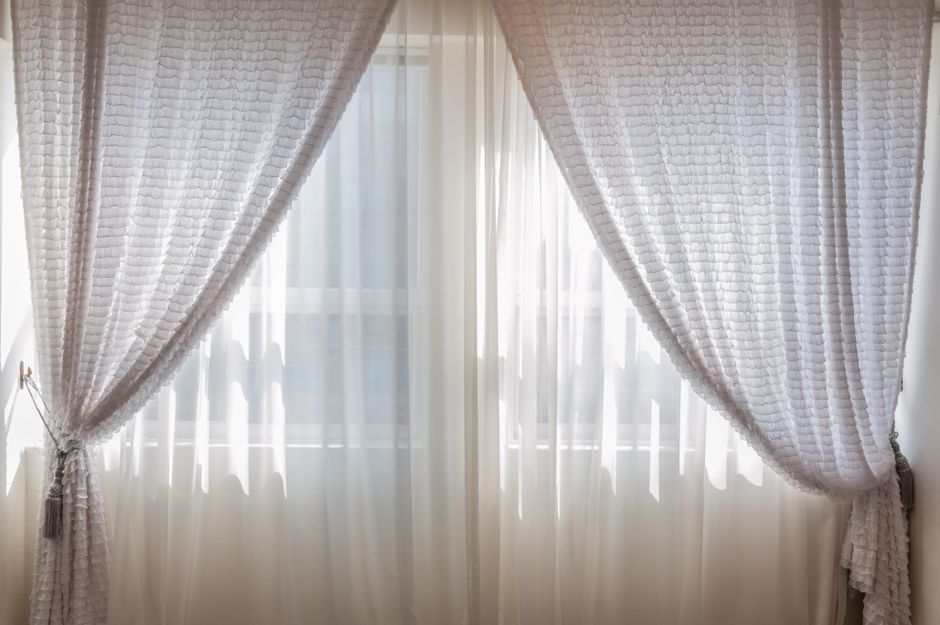
Why Do White Sheer Curtains Turn Yellow?
Understanding the cause helps you choose the right cleaning method. Common culprits include:
- UV Radiation: Sunlight breaks down fabric fibers and causes oxidation, leading to yellowing.
- Nicotine & Smoke: Particles from cigarette smoke or cooking oils cling to fabric, turning it yellow over time.
- Humidity & Mildew: High moisture encourages mold and mildew growth, which appears as yellow or brown spots.
- Dust & Dirt: Accumulated grime can embed into fibers and oxidize.
- Age: Natural aging of synthetic fibers (polyester, nylon) can cause yellow discoloration.
- Harsh Detergents: Residue from certain laundry products may interact with fabric and cause yellowing.
___PROTECTED_1___
Pre-Treatment Assessment
Before diving into cleaning, always check the care label. Sheer curtains are often made from delicate materials like polyester, cotton, silk, or blends. Perform a colorfastness test on a hidden area: apply a small amount of your chosen cleaner and blot with a white cloth. If color transfers, avoid that method. Also, note any embellishments (lace, beads) that require extra care.
___PROTECTED_2___
Cleaning Methods for Yellowed Sheer Curtains
Method 1: Vinegar Soak – Gentle Everyday Whitening
White vinegar is a natural acid that helps dissolve yellowing residues without harming most fabrics.
- Fill a basin or bathtub with lukewarm water.
- Add 1 cup of distilled white vinegar per gallon of water.
- Submerge curtains and soak for 1–2 hours (or overnight for heavy yellowing).
- Gently agitate occasionally, but do not wring or scrub.
- Rinse thoroughly with cool water.
Method 2: Baking Soda Paste – For Localized Stains
For spot treatments on stubborn yellow patches, baking soda works as a mild abrasive and deodorizer.
- Mix 3 parts baking soda with 1 part water to form a thick paste.
- Apply directly to yellowed areas and let sit for 30 minutes.
- Gently rub with a soft brush or sponge, then rinse.
Method 3: Hydrogen Peroxide & Sunlight – Natural Bleaching
Hydrogen peroxide (3%) is a gentle yet effective bleach that brightens white fabrics when combined with sunlight.
- Fill a spray bottle with hydrogen peroxide and lightly mist the yellowed areas.
- Hang the curtains outdoors in direct sunlight for 2–3 hours. The UV light activates the peroxide.
- Rinse thoroughly to remove any residue.
- Caution: Test on a small area first, as peroxide can weaken some fabrics with prolonged exposure.
Method 4: Enzyme-Based Stain Remover – For Organic Stains
If yellowing is due to sweat, food, or mildew, an enzyme cleaner breaks down protein and organic matter.
- Choose a product labeled for delicates (e.g., OxiClean, Nature’s Miracle).
- Follow manufacturer instructions, typically soaking in warm water with the cleaner for 30 minutes to 1 hour.
- Rinse well.
Method 5: Professional Dry Cleaning – For Very Delicate Fabrics
Silk, rayon, or curtains with trims should be taken to a professional dry cleaner who specializes in sheers. They have solvent-based cleaners that avoid water damage and shrinkage.
Step-by-Step Guide for Machine Washing (If Fabric Allows)
Many polyester or cotton-blend sheers can be machine washed with care. Always follow the care label.
| Parameter | Recommendation |
|---|---|
| Water Temperature | Cold or lukewarm (max 30°C / 85°F) – hot water can set yellowing. |
| Detergent | Mild, bleach-free liquid detergent. Avoid powder that may leave residue. |
| Cycle | Delicate or gentle cycle with low spin. |
| Precaution | Place curtains in a mesh laundry bag to prevent snagging. |
| Bleach Alternative | Add 1/2 cup white vinegar to the rinse cycle for extra whitening. |
| Fabric Softener | Do not use – it can coat fibers and attract dirt. |
After washing, remove promptly to prevent wrinkles.
Hand Washing Technique for Maximum Safety
Hand washing is ideal for very delicate sheers or those with beads/embroidery.
- Fill a clean tub or sink with cool water and a few drops of mild dish soap or a dedicated delicate wash.
- Submerge curtains and gently swirl them – avoid scrubbing or twisting.
- Let soak for 15–30 minutes.
- Drain and refill with cool water to rinse, repeating until no soap remains.
- Press out excess water (do not wring) and lay flat on a clean towel, then roll to absorb moisture.
Drying and Ironing Tips
- Air dry: Hang curtains away from direct sunlight to prevent re-yellowing. Use a padded hanger or clothesline.
- Machine dry (if allowed): Use the lowest heat (air fluff) and remove while slightly damp to avoid shrinkage.
- Ironing: Use a cool iron (synthetic setting) or steam from a distance. Test on a hidden area first. For delicate fabrics, use a pressing cloth.
Prevention: How to Keep White Sheer Curtains White
- Vacuum curtains monthly using a brush attachment to remove dust.
- Avoid smoking near windows or use kitchen exhaust fans to reduce oil buildup.
- Install UV-filtering window film to slow yellowing from sunlight.
- Rotate curtains periodically so both sides age evenly.
- Wash before yellowing becomes severe – every 3–6 months depending on environment.
When to Replace Your Curtains
If after multiple cleaning attempts the yellowing persists or fabric becomes thin/torn, it's time for new curtains. Look for high-quality, UV-resistant sheer fabrics for longer life. Consider lining if you want extra longevity.
With the right care, your white sheer curtains can stay bright and beautiful for years. Always test new methods on a small area first, and when in doubt, consult a professional cleaner. Happy cleaning!