Why Vinegar and Baking Soda?
Vinegar and baking soda are two of the most versatile natural cleaning agents. Their chemical reaction—baking soda (a base) reacting with vinegar (an acid) to produce carbon dioxide—helps lift dirt and neutralize odors. This combination is safe for most curtain fabrics, free of harsh chemicals, and economical. Unlike commercial cleaners, it won't leave harmful residues that could damage delicate fibers or affect indoor air quality.
___PROTECTED_1___
Safety Precautions
Before cleaning, always check the care label. Some curtains are dry-clean only or have special coatings. Test your vinegar and baking soda solution on a hidden area (e.g., hem) to ensure no discoloration or damage. Avoid using on silk, wool, or acetate unless specifically labeled as washable. When mixing, never combine baking soda and vinegar in a sealed container as the gas buildup can cause pressure.
___PROTECTED_2___
Materials Needed
To get started, gather these supplies:
- White distilled vinegar
- Baking soda
- Large bucket or basin
- Warm water
- Soft-bristled brush or sponge
- Clean microfiber cloths
- Spray bottle (optional)
- Clothesline or drying rack
- Iron or steamer (optional)
Step-by-Step Cleaning Process
1. Dust and Vacuum First
Remove loose dust and cobwebs by vacuuming curtains with a brush attachment. This prevents dirt from turning into mud when wet.
2. Prepare the Cleaning Solution
Fill a bucket with warm water. For every gallon of water, add ½ cup of white vinegar and 1 tablespoon of baking soda. Stir gently—expect fizzing. Alternatively, for spot cleaning, mix 2 tablespoons vinegar, 1 teaspoon baking soda, and 1 cup water in a spray bottle.
3. Choose Your Cleaning Method
The method depends on your curtain fabric:
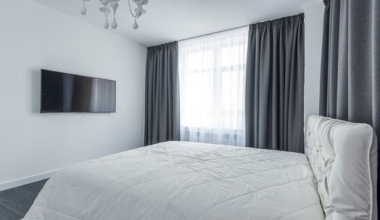
- Blackout Curtains: Typically have multiple layers and coatings. Hand wash gently in the solution; do not wring or twist. Rinse with cool water and hang to dry. Avoid machine washing unless label says so.
- Sheer Curtains: Delicate. Submerge in the vinegar-baking soda solution for 15 minutes, swishing gently. Rinse thoroughly. For stubborn stains, dab with a soft sponge. Roll in a towel to remove excess water, then hang.
- Velvet Curtains: Dry clean recommended. If machine washable, use cold water and minimal agitation. Add ¼ cup vinegar to rinse cycle for shine. Never use baking soda directly on velvet; instead, use a spray solution to spot clean. Air dry flat.
- Acoustic Curtains: Often heavy and layered. Vacuum regularly. Spot clean using a mild vinegar solution (1 part vinegar to 4 parts water) applied with a cloth. For deep cleaning, professional care is best to preserve acoustic properties.
4. Soaking and Agitation
For general cotton or polyester curtains, soak for 30 minutes. Use your hands to gently move the fabric. For stains, apply a paste of baking soda and water directly, then spray with vinegar. Let bubble, then scrub lightly.
5. Rinsing
Drain the solution and fill with cool water. Rinse until all vinegar and baking soda residue is gone. Vinegar smell dissipates when dry.
6. Drying
Hang curtains immediately while wet to prevent wrinkles. For heavy curtains, use a sturdy line. For velvet and acoustic, dry flat or hang in a well-ventilated area out of direct sunlight. Do not machine dry unless label says so.
Additional Tips for Different Curtain Types
| Fabric Type | Do’s | Don’ts |
|---|---|---|
| Blackout | Hand wash; use gentle cycle if machine washable; line dry | Bleach; fabric softener; high heat |
| Sheer | Use cold water; roll in towel to dry; iron on low | Wring; soak too long; use hot water |
| Velvet | Dry clean preferred; spot test first; steam after drying | Harsh scrubbing; submerge unless labeled; bleach |
| Acoustic | Vacuum often; spot clean; professional deep clean | Soak; machine wash; heavy agitation |
How Often Should You Clean Curtains?
Frequency varies: Dust curtains lightly every month. Wash every 3-6 months in moderate homes, more often if in kitchens or near busy streets. Spot clean stains immediately. Sheer curtains need more frequent washing due to dust accumulation, while acoustic curtains should be professionally cleaned annually to maintain sound absorption.
Why This Natural Method Works
Vinegar's acetic acid cuts through grease and mineral deposits; baking soda's mild abrasiveness lifts dirt without scratching. Together, they deodorize and brighten fabrics. This eco-friendly approach is especially beneficial for homes with children or pets, as it eliminates the need for toxic chemicals. Plus, it's inexpensive and uses ingredients you likely already have.
Conclusion
Cleaning curtains with vinegar and baking soda is a safe, effective, and affordable way to freshen your window treatments. By following the steps tailored to your curtain type, you can extend the life of your curtains and keep them looking beautiful. Always remember to test first and respect your fabric's care instructions. For tough stains or delicate fabrics, consider consulting a professional. Refresh your home with this natural cleaning solution today!