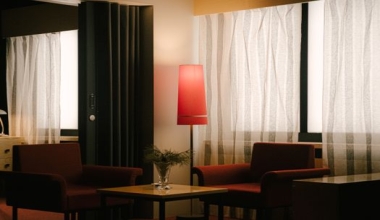
When it comes to window treatments, the choice between hotel curtains and residential curtains can significantly impact both functionality and aesthetics. While they may look similar at first glance, these two types of curtains are engineered for different environments. Hotels demand durability, fire safety, and light control across hundreds of rooms, while homes prioritize personal style, comfort, and cost. This comprehensive guide explores the key differences to help you make an informed decision for your space.
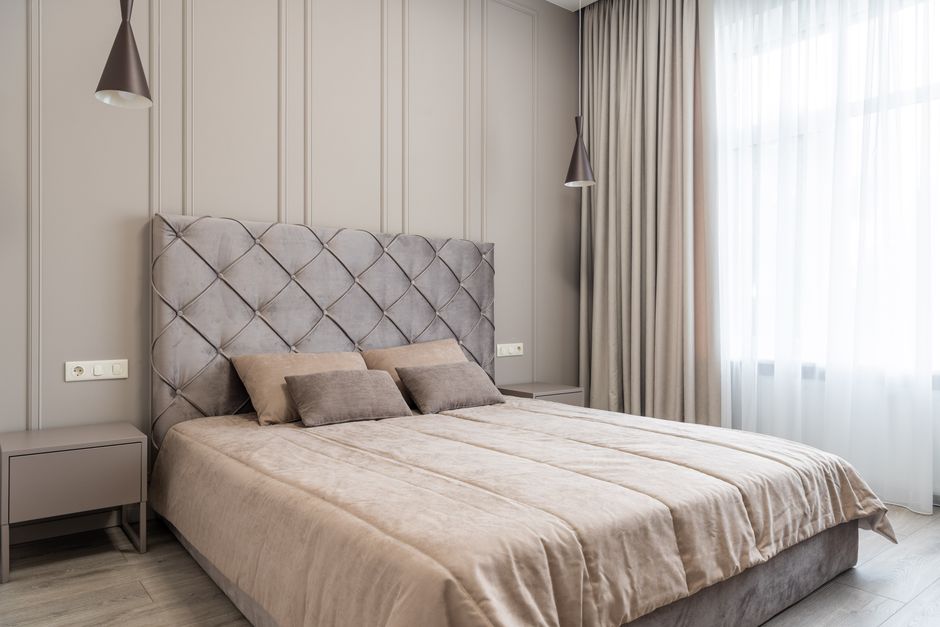
Key Differences in Fabric and Construction
The fabric used in hotel curtains is typically heavier and more durable than residential options. Hotels often choose fabrics like polyester blends that withstand frequent washing, resist fading, and maintain their shape over time. In contrast, residential curtains come in a wider variety of materials, from light cottons to delicate silks, catering to personal taste but requiring careful maintenance.
Common Fabric Types
- Hotel Curtains: Polyester, polyester-cotton blends, flame-retardant treated fabrics, velvet with backing.
- Residential Curtains: Cotton, linen, silk, velvet (without heavy backing), sheer fabrics.
| Feature | Hotel Curtains | Residential Curtains |
|---|---|---|
| Weight | Heavy (200-500 gsm) | Light to medium (100-300 gsm) |
| Fade resistance | High (UV treated) | Variable |
| Washability | Commercial laundry safe | Often dry clean only |
___PROTECTED_1___
Fire Safety Standards: A Critical Distinction
One of the most crucial differences is fire safety. Hotels must comply with strict fire codes, such as NFPA 701 in the US or BS 5867 in the UK. Hotel curtains are manufactured with flame-retardant treatments or inherently fire-resistant fibers. Residential curtains may not meet these standards unless specifically purchased for commercial use. This is non-negotiable in hospitality settings but often overlooked in homes.
___PROTECTED_2___
Durability and Maintenance Requirements
Hotels need curtains that withstand daily wear, sunlight exposure, and frequent cleaning. Hotel curtains are often pre-shrunk, have reinforced hems, and feature heavy-duty linings. Residential curtains may require more delicate care—hand washing or dry cleaning—and have shorter lifespans. For homeowners, investing in commercial-grade fabrics can be beneficial for high-traffic areas like living rooms.
Maintenance Tips
- Hotel Curtains: Can be machine washed in bulk, tumble dried low, and quickly rehung.
- Residential Curtains: Follow care labels; use gentle cycles and avoid bleach; iron on low heat.
Light Control and Privacy Features
Hotel rooms require blackout capabilities to ensure guests sleep well. Most hotel curtains use a triple-weave construction or a blackout lining that blocks 100% of light. Residential curtains can be sheer, light-filtering, or blackout, but true blackout is less common unless specifically chosen. For bedrooms, hotel-grade blackout curtains are an excellent investment.
Aesthetic Considerations: Design vs. Ambiance
Residential curtains offer endless design possibilities—patterns, colors, textures—to match home décor. Hotel curtains tend to be neutral and understated (beige, gray, cream) to appeal to a wide range of guests. However, high-end hotels sometimes use custom drapes with rich fabrics like velvet for a luxurious feel. In homes, you can experiment with layered looks: combining sheers for daytime with blackout drapes for night.
Cost Comparison and Return on Investment
Hotel curtains are more expensive upfront due to specialized fabrics and certifications. A single panel may cost $50–$150, while residential curtains range from $20–$100. However, hotel curtains last 5-10 years with proper care, whereas residential curtains may need replacement every 2-3 years. For rental properties or Airbnb, hotel curtains offer better ROI through reduced turnover and maintenance.
Practical Tips for Choosing Between Hotel and Residential Curtains
- For homes with heavy sun exposure or high-traffic rooms, consider hotel-grade fabrics even if you don’t need fire certification.
- If you rent out your home or run a bed and breakfast, opt for hotel curtains to meet safety regulations.
- For bedrooms, choose blackout linings (either hotel or residential) to improve sleep quality.
- For living areas, mix residential sheers with heavier drapes for flexibility.
- Always check fire safety labels if installing in a commercial space—even home offices may benefit.
Conclusion
Choosing between hotel curtains and residential curtains depends on your priorities. If you value robust construction, easy maintenance, and safety compliance, hotel curtains are the way to go—even in your home. If you prefer design flexibility and lower initial cost, residential curtains offer more variety. Whichever you choose, investing in quality window treatments enhances comfort, privacy, and energy efficiency. For expert advice on blackout, velvet, or acoustic curtains, explore our buying guides tailored to your needs.