When it comes to choosing fabrics for your home or office, the focus is often on aesthetics, durability, and light control. But have you ever stopped to consider what your curtains are releasing into the air you breathe? Many conventional fabrics contain chemicals that can off-gas volatile organic compounds (VOCs) and other pollutants, impacting indoor air quality. This is where GREENGUARD certification steps in. In this comprehensive guide, we'll dive deep into what GREENGUARD means, why it matters for curtain fabrics, and how you can use it to make healthier choices for your spaces.
What is GREENGUARD Certification?
GREENGUARD is a certification program developed by UL Environment, part of Underwriters Laboratories, that focuses on low chemical emissions into indoor air. It was originally created in 2001 by the GREENGUARD Environmental Institute (GEI) and later acquired by UL. The program sets strict standards for how much a product can off-gas into the environment, specifically targeting VOCs, formaldehyde, aldehydes, particulates, and other harmful substances. Products that pass rigorous testing are certified as low-emitting, helping to reduce indoor air pollution and the risk of chemical exposure.
GREENGUARD vs. GREENGUARD Gold
You will often see two levels of certification: GREENGUARD and GREENGUARD Gold. GREENGUARD is designed for general office and building environments, while GREENGUARD Gold has even stricter limits for total VOC emissions and individual chemical thresholds. GREENGUARD Gold is specifically aimed at sensitive environments such as schools, daycare centers, and healthcare facilities, and it is also suitable for residential use. For curtain fabrics, especially in nurseries or bedrooms, GREENGUARD Gold is the preferred certification to look for.
___PROTECTED_1___
Why Does GREENGUARD Matter for Curtain Fabrics?
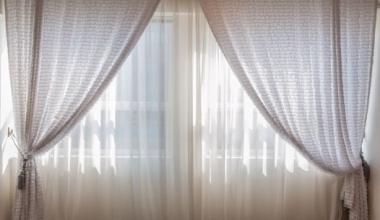
Curtains are often one of the largest textile surfaces in a room. They can be made from synthetic fibers, natural fibers, or blends, and many undergo treatments like flame retardants, water repellents, stain guards, or wrinkle-resistant finishes. These treatments, as well as dyes and manufacturing chemicals, can emit VOCs into the air over time. Off-gassing is most pronounced when products are new, but it can continue for months. In poorly ventilated rooms, this can lead to elevated levels of indoor pollutants. GREENGUARD certified curtains are tested to ensure they meet strict emission limits, giving you peace of mind that your window treatments are not silently compromising your air quality. This is particularly important for vulnerable populations, including children, the elderly, and individuals with asthma or allergies.
___PROTECTED_2___
How GREENGUARD Certification Works for Fabrics
The certification process for curtain fabrics is thorough and science-based. Let's break down how it works:
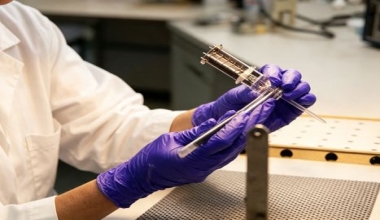
- Testing: Fabric samples are placed in a dynamic environmental chamber under controlled temperature and humidity. The air inside the chamber is analyzed after a set period (typically 24 hours and 14 days) to measure emissions of various chemicals.
- Thresholds: The emissions must fall below established limits. For example, total VOC (TVOC) limits are lower for GREENGUARD Gold, and specific carcinogens like formaldehyde are restricted to very low levels.
- Compliance: Manufacturers must also ensure that their production processes maintain consistent quality. Random audits and ongoing testing can be performed to ensure continued compliance.
- Labeling: Certified products carry the GREENGUARD or GREENGUARD Gold mark, and they are listed in the UL GREENGUARD Product Portal, searchable online.
What Emissions Are Tested?
The program screens for over 10,000 chemicals and specifically limits them into categories. Some of the most notable ones tested include formaldehyde, acetaldehyde, total aldehydes, toluene, styrene, benzene, and various phthalates. By meeting these strict criteria, certified curtains significantly reduce your exposure to potentially harmful chemicals.
GREENGUARD vs. Other Certifications
It's helpful to understand how GREENGUARD compares to other common textile certifications. Here is a quick comparison:
| Certification | Focus | Key Differences |
|---|---|---|
| GREENGUARD | Indoor air quality, chemical emissions | Measures actual off-gassing from finished product, not just chemical content |
| OEKO-TEX Standard 100 | Harmful substances in textiles | Tests for hazardous substances in materials, but not necessarily emission rates |
| GREENGUARD Gold | Stricter indoor air quality | Suitable for schools and healthcare; includes more sensitive limits |
| Green Label Plus | Carpet emissions | Similar emission testing but specifically for carpets |
While OEKO-TEX ensures that the fabric itself doesn't contain harmful substances, GREENGUARD goes a step further by examining what the product releases into the air. The two certifications can complement each other, and GREENGUARD is often valued in green building programs like LEED.
Benefits of Choosing GREENGUARD Certified Curtains
Selecting GREENGUARD certified curtain fabrics offers a wealth of benefits that go beyond perceived quality.
- Healthier Indoor Air: By dramatically reducing VOC emissions, you can lower your risk of respiratory irritation, headaches, and other symptoms associated with poor indoor air quality.
- Support for Sensitive Individuals: Gold certification is designed for children, the elderly, and those with chemical sensitivities, making it ideal for bedrooms and nurseries.
- Environmental Responsibility: Many certified fabrics are produced using sustainable practices, and the certification process encourages manufacturers to minimize toxic chemical use.
- LEED Credits: GREENGUARD certified products contribute to LEED certification in categories like Indoor Environmental Quality, which is a major plus for commercial projects.
- Marketability: For businesses, offering GREENGUARD certified curtains can differentiate your brand and appeal to eco-conscious consumers.
How to Identify GREENGUARD Certified Curtain Fabrics
Not all curtains are GREENGUARD certified, so it's essential to know how to spot them. Here are practical tips:
- Look for a clear GREENGUARD or GREENGUARD Gold label on the product packaging or hang tag.
- Check the UL GREENGUARD Product Portal online to verify the certification. Use the manufacturer's name or product model to search.
- Ask the supplier directly. Reputable manufacturers like us proudly display our certifications and can provide documentation.
- Beware of vague claims like 'low VOC' without a certification mark. GREENGUARD is a third-party verified standard, not a marketing slogan.
- Read the fine print: the certification should be for the specific product, not just the fabric fiber. Some fabrics are certified, while others from the same factory are not.
Practical Tips for Selecting GREENGUARD Certified Curtains
When shopping for curtains, keep these tips in mind to ensure you get the most benefit from GREENGUARD certification:
- Priority Rooms: Focus on GREENGUARD Gold for spaces where you spend the most time, especially bedrooms and children's playrooms.
- Layer with Other Low-Emission Products: Pair certified curtains with low-VOC paints and furniture to maximize indoor air quality.
- Check the Whole Window Treatment: If you also get blinds or shades, make sure they are also certified. The full assembly matters.
- Consider Fabric Type: GREENGUARD certification is available for many materials, including polyester, cotton, and blends. Choose based on your style and performance needs, not just certification.
- Ask for Test Reports: In commercial purchases, request the actual test data to verify compliance.
Case Studies: GREENGUARD in Industry Applications
GREENGUARD certified fabrics are widely used across multiple sectors. Let's explore a few examples:
Healthcare Facilities
Hospitals and clinics must maintain sterile, healthy environments. GREENGUARD Gold curtains help reduce the chemical load on patients and staff, especially in intensive care units and pediatric wards. A study published in the Journal of Environmental Health found that using low-emitting fabrics in patient rooms reduced indoor VOC levels significantly, contributing to faster recovery times.
Educational Institutions
Schools are a critical setting for GREENGUARD Gold. Children are more susceptible to the effects of VOCs, and schools often have high occupancy. Many school districts now mandate that all furniture and window coverings in new buildings be GREENGUARD certified to promote better concentration and lower absenteeism.
Hospitality Sector
Hotels are embracing GREENGUARD certified curtains to offer guests a healthier stay. With increasing demand for eco-friendly hospitality, certification becomes a unique selling point. Guests appreciate rooms that feel fresh and clean without strong chemical odors.
Care Tips for GREENGUARD Certified Curtain Fabrics
To maintain the integrity and low-emitting properties of your certified curtains, proper care is essential. Here are some tips:
- Follow Wash Instructions: Always check the laundering label. Some certified fabrics can be machine washed, while others should be dry cleaned only. Improper washing might degrade finishes or create new emissions from detergents.
- Use Mild Detergents: Choose fragrance-free and eco-friendly detergents to avoid introducing new VOCs onto the fabric.
- Avoid Fabric Softeners: Fabric softeners can leave a chemical residue that may emit gases. Instead, use white vinegar in the rinse cycle for natural softness.
- Ventilate When New: Even certified products may have a slight initial odor. Air out new curtains for a few hours before installing them, and ventilate the room well during the first few days.
- Regular Cleaning: Vacuum curtains with a soft brush attachment to remove dust, which can become a reservoir for other pollutants.
Frequently Asked Questions
Is GREENGUARD certification safe for babies?
Yes, GREENGUARD Gold is specifically designed for sensitive environments like nurseries. It limits over 360 different VOCs and requires even stricter limits than standard GREENGUARD, making it a great choice for baby rooms.
Are all GREENGUARD certified curtains also flame retardant?
Not necessarily. Flame retardancy is a separate performance property. Some GREENGUARD certified fabrics may be treated with flame retardants, but those treatments must still meet the emission limits. If flame resistance is required, verify that the product also meets local safety standards.
Can I get GREENGUARD certification for custom curtains?
Custom curtains made from certified fabrics are not automatically certified. The certification applies to the finished product, so if you add linings, trims, or treatments, the final product may not meet the same standards. Always ask your fabric supplier if the complete assembly is covered.
Conclusion
GREENGUARD certification is more than just a label – it's a promise of cleaner indoor air and healthier living. For curtain fabrics, choosing GREENGUARD certified options is a smart, responsible decision that benefits your health, your family, and the environment. Whether you're outfitting a home, a school, or a hospital, the peace of mind that comes from knowing your window coverings are not emitting harmful chemicals is priceless. Remember to verify certifications, prioritize GREENGUARD Gold for the most sensitive spaces, and maintain your curtains properly to preserve their low-emitting properties. Make your next curtain purchase a breath of fresh air – choose GREENGUARD.