Why Curtains Matter in Hotel Guest Rooms
In the hospitality industry, guest comfort is paramount. Curtains play a critical role in shaping a guest's experience—from ensuring a restful sleep to setting the room's aesthetic tone. Blackout curtains, sheer layers, acoustic fabrics, and velvet drapes each serve distinct purposes. This guide explores how to choose, install, and maintain curtains that meet the demands of hotel environments.
___PROTECTED_1___
Key Curtain Types for Hotels
Blackout Curtains
Essential for guest rooms, blackout curtains block external light, improving sleep quality. They typically feature a dense weave or a foam-backed lining. Look for fabrics with a light-blocking rating of 99% or higher. Hotels often pair them with sheer curtains for daytime privacy.
- Benefits: Enhanced sleep, energy efficiency (insulation), noise reduction (if acoustic-backed).
- Recommended fabric: Polyester with blackout coating or triple-weave cotton-polyester blends.
- Care tips: Machine wash gentle cycle, line dry or tumble dry low. Avoid bleach.
Sheer Curtains
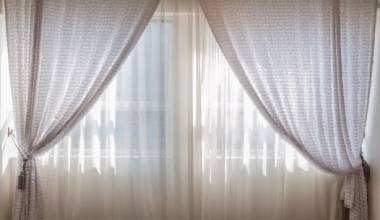
Sheer fabrics allow natural light while providing privacy during daytime. They soften the room's ambiance. Hotels often layer sheers behind blackout drapes. Common materials: voile, lace, or polyester sheers.
- Benefits: Soft light diffusion, minimalist elegance, easy maintenance.
- Care tips: Hand wash or delicate cycle, cold water, hang to dry.
Velvet Curtains
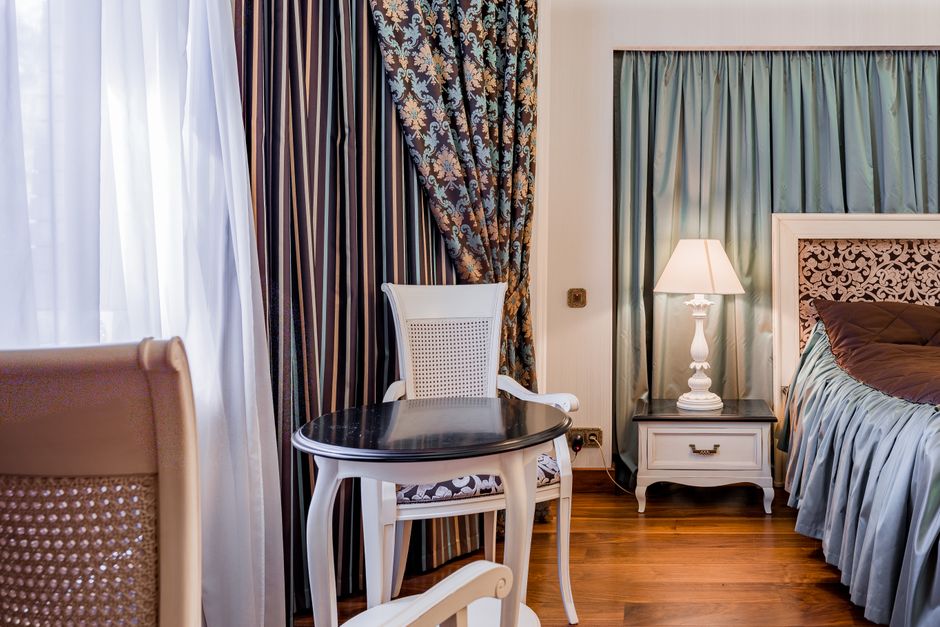
Velvet adds luxury and warmth, perfect for high-end hotel suites. It offers moderate light blockage and sound absorption. However, velvet requires careful handling.
- Benefits: Premium look, excellent drape, noise absorption.
- Care tips: Dry clean only; avoid crushing. Use a steamer for wrinkles.
Acoustic Curtains
These curtains help reduce noise transmission from corridors or outside. They are thicker and often lined with mass-loaded vinyl or dense fabric. Ideal for hotels near highways or nightlife.
- Benefits: Sound reduction (STC rating up to 8-10 dB), improved sleep, privacy.
- Care tips: Vacuum with brush, spot clean. Not machine washable.
___PROTECTED_2___
Layering Curtains: The Industry Standard
Professional hotel rooms almost always layer curtains: a sheer panel for daytime, then blackout curtains for nighttime and light blocking. This combination provides:
- Flexibility – guests control light and privacy.
- Energy efficiency – layers trap heat or cold.
- Aesthetics – creates depth and texture.
Selection Criteria for Hotel Curtains
Fabric and Durability
Hotels require commercial-grade fabrics meeting fire-resistance standards (e.g., NFPA 701). Polyester blends are durable and easy to clean. Velvet should be synthetic for easier maintenance. Must withstand frequent dry cleaning or washing.
Fire Safety Compliance
All curtains in hotels must pass flammability tests. Ensure your supplier provides certifications. Many fabrics are treated with flame retardants, but verify compliance with local regulations.
Color and Pattern
Neutral colors (beige, gray, cream) suit most design themes. They are easier to match with bedding and reduce the visual impact of stains. Accent colors can be used in suites. Patterns should be subtle to avoid clashing with room decor.
Light Blocking Performance
Blackout curtains should have a light transmission rating of less than 1%. Measured by 'opacity factor'. Sheers should provide UV protection (UPF 50+).
Installation Best Practices
Track Systems vs. Rods
Hotels frequently use ceiling-mounted tracks for a clean look and easier operation. Tracks allow smooth sliding and can accommodate multiple layers. For aesthetics, motorized tracks add convenience.
Proper Sizing
Curtains should extend at least 4 inches above the window frame and 2-3 inches beyond the sides to prevent light leakage. Floor-length curtains (1/2 inch above floor) are standard. For blackout, consider thermal backing.
Motorization and Smart Controls
Many luxury hotels now offer automated curtains controlled by the guest or room system. This adds convenience and energy savings. Ensure compatible wiring and power supply.
Maintenance and Care
| Fabric Type | Cleaning Method | Frequency | Notes |
|---|---|---|---|
| Blackout polyester | Machine wash cold, gentle, line dry | Every 3-4 months | Avoid fabric softener |
| Sheer | Hand wash or delicate cycle, air dry | Monthly | Iron on low if needed |
| Velvet | Dry clean | Every 6 months | Brush gently to restore nap |
| Acoustic | Vacuum with brush attachement, spot clean | Weekly vacuum, quarterly deep clean | Do not machine wash |
Cost Considerations
Investing in quality curtains reduces long-term replacement costs. Blackout curtains range from $20-$50 per yard for commercial grade, while velvet can be $40-$100. Acoustic curtains are pricier ($50-$150 per yard). Sheers are affordable ($8-$20). Factor in installation, tracks, and motorization.
Case Studies: Hotel Curtain Success
Boutique Hotel in New York
A 50-room hotel replaced standard drapes with triple-layered blackout+sheer+acoustic curtains. Guest satisfaction scores for 'quality of sleep' increased by 22% within 6 months. Noise complaints dropped 35%.
Luxury Resort in Bali
Used velvet curtains in suites with automated tracks. Guests praised the dramatic aesthetics and light control. The investment paid off through positive reviews and repeat bookings.
Practical Tips for Hoteliers
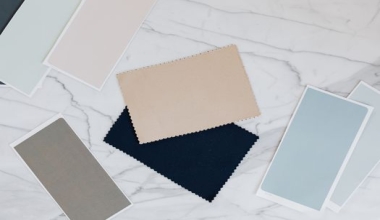
- Order swatches before bulk purchase to test light block and feel.
- Consider curtain tracks with a valance to hide hardware.
- Train housekeeping on proper handling to avoid damage.
- Rotate curtains for even wear.
- Use moisture-resistant linings in humid climates.
Conclusion
Selecting the right curtains for hotel guest rooms is a blend of science and art. Prioritize blackout performance, fire safety, and durability. Layer sheers for flexibility, and consider acoustic fabrics for noise reduction. By investing in high-quality curtains, hotels enhance guest comfort, reduce energy costs, and elevate their brand image.