Blackout curtains are not just a luxury for homes; they are a necessity for many commercial buildings. From hotels and conference centers to offices and healthcare facilities, controlling light is essential for comfort, productivity, and energy efficiency. This comprehensive guide walks you through everything you need to know when buying blackout curtains for commercial applications, ensuring you make an informed investment.
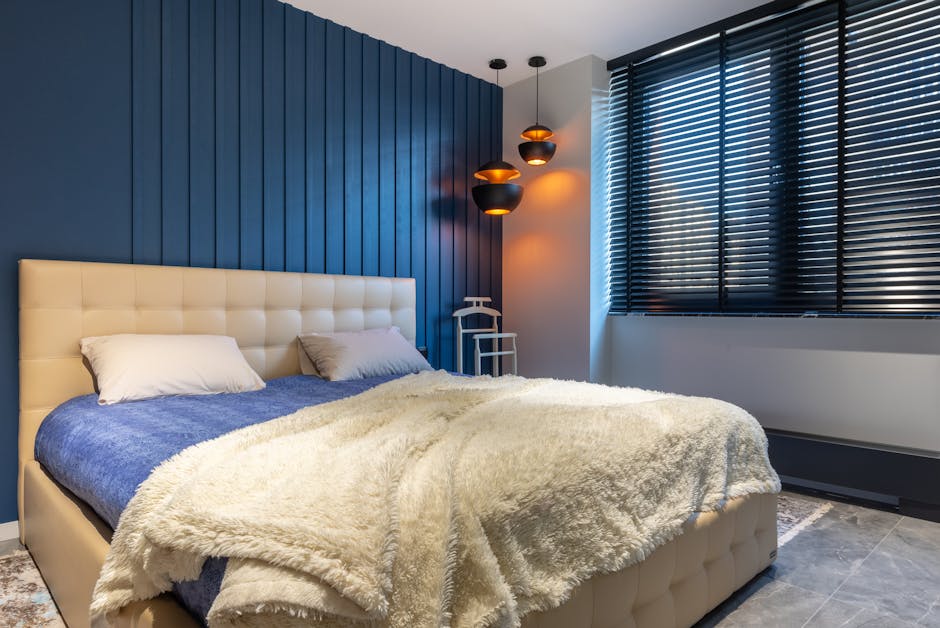
Why Blackout Curtains Matter for Commercial Spaces
In commercial settings, light control goes beyond mere preference. Blackout curtains help create optimal environments for presentations, sleep in hospitality venues, and concentration in open-plan offices. They also reduce glare on screens, protect furnishings from UV damage, and contribute to energy savings by insulating windows. Investing in high-quality blackout curtains can enhance the functionality and ambiance of any commercial space.
___PROTECTED_1___
Key Factors to Consider
Material and Fabric Quality
The fabric determines durability, appearance, and performance. For commercial use, opt for heavy-duty materials like polyester, velvet, or multi-layer composites. Look for fabrics with a high thread count and a tight weave to ensure longevity. Flame-retardant treatments are often mandatory in commercial buildings, so check for certifications like NFPA 701 or BS 5867.
Light Blocking Performance
Not all blackout curtains are created equal. The level of light blockage is measured by the opacity factor. For complete darkness, choose curtains with a rating of 99% or higher. Triple-weave fabrics or those with a black core layer provide superior blackout. In settings like hotels or theaters, even minor light seepage can be disruptive, so prioritize performance.
Fire Safety and Compliance
Commercial buildings must adhere to strict fire codes. Ensure your blackout curtains are certified fire-retardant. Many manufacturers offer inherent FR properties or topical treatments. Request documentation and verify that the product meets local regulations. Non-compliance can lead to fines and safety hazards.
Acoustic Properties
In noisy environments, blackout curtains with acoustic dampening can reduce sound transmission. Thick, dense fabrics like velvet or specially designed acoustic curtains can absorb sound waves, making them ideal for offices, recording studios, and conference rooms. Look for Noise Reduction Coefficient (NRC) ratings if sound control is a priority.
Thermal Insulation
Blackout curtains contribute to energy efficiency by reducing heat transfer. Thermal backings or foam layers add insulation. In commercial buildings with large windows, this can significantly lower heating and cooling costs. Check the U-value or R-value of the curtain system to gauge its insulating performance.
___PROTECTED_2___
Types of Blackout Curtains for Commercial Use
Standard Blackout Linings
These are separate linings attached to existing drapes. They are cost-effective but may not offer the same seamless look as integrated fabrics. Suitable for applications where the curtain track can accommodate additional weight.
Triple-Weave Blackout Fabrics
These have a woven construction with a black middle layer, providing excellent opacity without the need for separate liners. They are more durable and often have a better drape. Perfect for high-end hospitality and corporate offices.
Motorized Blackout Curtains
Automation adds convenience and precision. Motorized systems can be integrated with building management systems or controlled via remote. They are ideal for large windows or hard-to-reach areas, such as atriums or top-floor windows. Consider the maintenance and power source (battery or hardwired).
Measuring and Installation Tips for Large Windows
Accurate measurements are crucial. For outside-mount installations, add extra width and height to ensure full coverage and prevent light gaps. For inside-mount, measure the exact window recess. Use sturdy brackets that can support the weight of commercial-grade curtains. Consider using a continuous track system for a clean, professional look. If using motorized curtains, ensure proper wiring or battery access.
Maintenance and Longevity
Commercial curtains gather dust and may require frequent cleaning. Choose fabrics that are easy to maintain—some are machine washable, while others need dry cleaning. Vacuum regularly with a brush attachment. For heavy soiling, follow manufacturer instructions. High-quality blackout curtains can last 10–15 years with proper care.
Budgeting and Cost Considerations
Costs vary widely based on fabric, customization, and installation. Basic blackout linings may start at $5 per square foot, while premium triple-weave or motorized systems can exceed $20 per square foot. Factor in hardware, installation labor, and potential freight charges. While upfront costs may be higher, energy savings and longevity often justify the investment. Request quotes from multiple suppliers and compare warranties.
Where to Buy Commercial Blackout Curtains
Commercial suppliers offer better pricing, custom sizes, and bulk discounts. Look for manufacturers specializing in contract grade textiles. Online retailers like Alibaba or specialized curtain companies (e.g., Mermet, Hunter Douglas Contract) are good starting points. Always request samples and test light blocking before ordering large quantities. Check reviews and ask for references from other commercial clients.
Choosing the right blackout curtains for your commercial building requires careful consideration of performance, safety, and budget. By following this guide, you can select curtains that enhance your space while meeting regulatory standards. Start by defining your priorities—whether it's complete darkness, acoustic control, or energy savings—and consult with a professional installer for the best results.