1. Understand Your Lighting Needs
Before choosing between blackout and sheer curtains, assess how much light you want in your living room. Blackout curtains are designed to block up to 99% of sunlight, making them ideal for media rooms or spaces where you need complete darkness to reduce glare on screens. On the other hand, sheer curtains allow natural light to filter through while diffusing harsh rays, creating a soft, airy ambiance. If your living room doubles as a home office or you enjoy reading near a window, consider the time of day you use the room most.
For rooms with large south- or west-facing windows, blackout curtains can prevent heat buildup and protect furniture from fading. Sheer curtains, however, soften the light without eliminating it entirely, which can make a small living room feel larger and more open. A simple test: hold a piece of blackout fabric next to a sheer sample in natural light—the contrast will clarify your preference.
___PROTECTED_1___
2. Consider Privacy Requirements
Privacy is a top concern for ground-floor living rooms or those facing a busy street. Blackout curtains offer maximum privacy because their dense, opaque lining prevents outsiders from seeing in, even at night when interior lights are on. They also block out headlights from passing cars, giving you a cozy, secluded space.
Sheer curtains provide partial privacy—during the day, they obscure the view from outside while letting light in, but at night, silhouettes become visible. For a balanced approach, many homeowners combine sheer curtains with blackout liners or use a double rod system. That way, you can enjoy daylight privacy without sacrificing the light filtration that sheers offer, and pull the blackouts closed when full opacity is needed.
___PROTECTED_2___
3. Evaluate Insulation and Energy Efficiency
Blackout curtains are excellent insulators. Their thick, often foam-backed fabric helps keep warm air inside during winter and blocks heat from entering in summer. This can reduce your heating and cooling bills by up to 25% according to some studies. Sheer curtains, being lightweight, offer negligible thermal insulation.
If energy efficiency is a priority, choose blackout curtains with a high R-value or consider thermal liners that can be added to existing sheers. However, in mild climates or for rooms that don't face extreme temperatures, the breathability of sheer curtains might be preferable to maintain a steady airflow. Place your hand on each fabric type against a warm window—blackout will feel cooler to the touch.
4. Assess Aesthetic and Design Goals
The visual impact of your curtains sets the tone for the entire living room. Blackout curtains come in a wide range of colors and textures, from velvet to faux silk, adding a sense of luxury and drama. They provide a clean, finished look when drawn fully closed, but can appear heavy and bulky when stacked open.
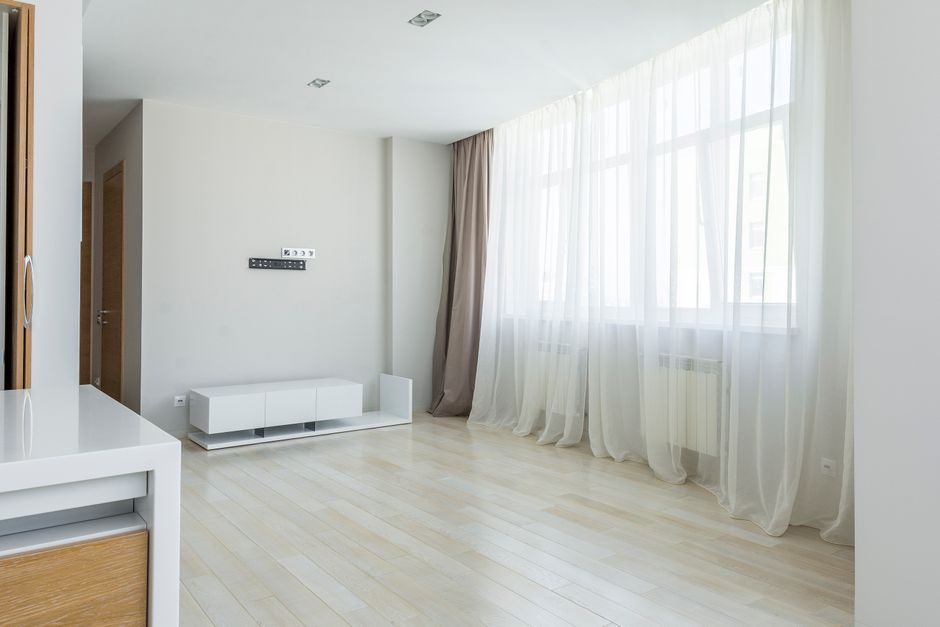
Sheer curtains offer an ethereal, minimalist aesthetic that works well with modern, Scandinavian, or bohemian styles. They create a sense of flow and can make ceilings appear higher. Many designers layer sheers with blackouts for the best of both worlds: the softness of sheers during the day and the blackout functionality at night. Consider the existing furniture and color palette—sheers in neutral tones blend seamlessly, while blackout panels in bold colors become focal points.
5. Think About Maintenance and Durability
Maintenance routines differ significantly. Blackout curtains often require careful washing because the lining can degrade if not handled properly. Many are dry-clean only, and frequent washing may cause the coating to peel. Sheer curtains are generally easier to clean—most are machine washable on a gentle cycle and dry quickly, but they may snag or fray easily.
For homes with pets or children, durability is key. Blackout curtains made from thicker materials like polyester or cotton blends withstand wear and tear better. Sheer curtains, especially those with delicate lace patterns, need to be handled with care. Always check the care label and consider purchasing a fabric protector spray for both types to extend their lifespan.
6. Explore Combination Options (Layering)
Why choose one when you can have both? Layering blackout curtains with sheers is a popular strategy that solves the lighting-privacy dilemma. Install a double rod or track system: mount sheers close to the window for daytime use, and hang blackout panels on the outer rod for nighttime coverage. This approach also adds depth and dimension to your windows.
When layering, ensure the sheers are slightly wider than the window to allow full coverage when closed, and the blackout curtains should extend at least a few inches beyond the sheers on each side. Use coordinating colors—for example, white sheers with navy blackouts—or match them for a monochromatic look. This setup gives you ultimate control over light, privacy, and style throughout the day.
7. Factor in Your Budget
Cost is a practical consideration. Blackout curtains often have a higher upfront price due to their specialized lining and thicker materials. However, their energy-saving benefits may offset the cost over time. Sheer curtains are generally more affordable, but you might need to purchase two layers (sheers plus blackouts) if you want full functionality.
If you're on a tight budget, start with sheers and add blackout roller shades behind them—a cost-effective hybrid solution. Alternatively, look for ready-made blackout panels at home stores; custom sizes and high-end fabrics will increase the price. Remember that investing in quality curtain hardware (rods, rings, liners) is equally important for longevity. Compare prices per panel and calculate total square footage before making a decision.