Choosing between blackout and room darkening curtains can be confusing. While both reduce light, they differ in performance, fabric, and best use. Here are the 7 key differences to help you decide.
1. Light Blocking Percentage
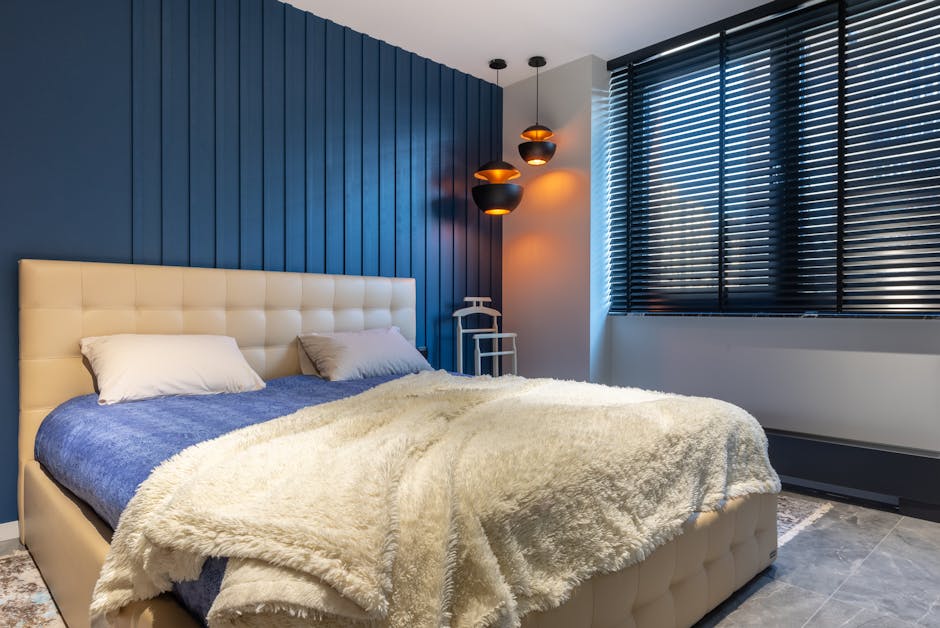
Blackout curtains are designed to block 99% of external light. They often have a dense, triple-weave fabric or a special coating that prevents light penetration. In a dark room test, blackout curtains create near-total darkness, ideal for nurseries, bedrooms, or home theaters.
Room darkening curtains typically block 80-95% of light. They reduce harsh glare and bright sunlight but may allow some light to seep through seams or fabric weave. They are suitable for living rooms or spaces where total darkness isn't necessary.
___PROTECTED_1___
2. Fabric Thickness and Weight
Blackout fabrics are thicker and heavier, often with multiple layers or a foam-backed lining. This density enhances their light-blocking ability but can make them more challenging to hang and maintain. They often require sturdy curtain rods.
Room darkening materials are lighter, usually a medium-weight woven fabric without heavy lining. They drape more elegantly and are easier to install, making them a popular choice for standard windows where moderate light control is sufficient.
___PROTECTED_2___
3. Thermal Insulation Performance
Blackout curtains provide superior thermal insulation due to their thick construction. The extra layers trap air, reducing heat loss in winter and keeping rooms cooler in summer. This can reduce energy bills by up to 25%.
Room darkening curtains offer minimal insulation. Their lighter fabric does not significantly block heat transfer. They are primarily for light management rather than energy efficiency, though some lined versions can provide slight insulation.
4. Noise Reduction Capability
The dense fabric of blackout curtains also absorbs sound, reducing noise from outside by 10-30 decibels. This makes them excellent for city apartments, home offices, or bedrooms near busy streets.
Room darkening curtains have negligible noise reduction. Their light weight allows sound waves to pass through easily. If noise is a concern, blackout curtains are the clear choice.
5. Cost and Value
Blackout curtains are more expensive due to specialized materials and manufacturing. Prices range from $30 to $150+ per panel. However, their longevity and energy savings can justify the investment.
Room darkening curtains are budget-friendly, typically $15 to $50 per panel. They offer good light control for the price but may need replacing sooner if fabric fades or deteriorates.
6. Aesthetic and Style Options
Blackout curtains often have a matte finish and limited color range due to the coating or lining. Some newer options mimic velvet or linen, but texture choices remain narrower.
Room darkening curtains come in a wide variety of colors, patterns, and fabrics—from sheer to velvet. They blend easily with existing decor, offering more design flexibility for living spaces.
7. Best Use Cases
Blackout curtains are best for bedrooms, nurseries, home theaters, shift workers needing daytime sleep, and any space requiring total darkness. They also suit rooms with extreme temperatures or noise issues.
Room darkening curtains work well in living rooms, dining areas, kitchens, or offices where you want to reduce glare without plunging the room into darkness. They are ideal for spaces where you still want some natural light during the day.