Blackout curtain linings are essential for achieving total darkness, energy efficiency, and enhanced privacy in any space. Unlike regular curtains, blackout linings are specially engineered to block light, insulate against heat and cold, and even reduce outside noise. This in-depth guide explores the various types of blackout linings, their benefits, and how to choose the right one for your needs.
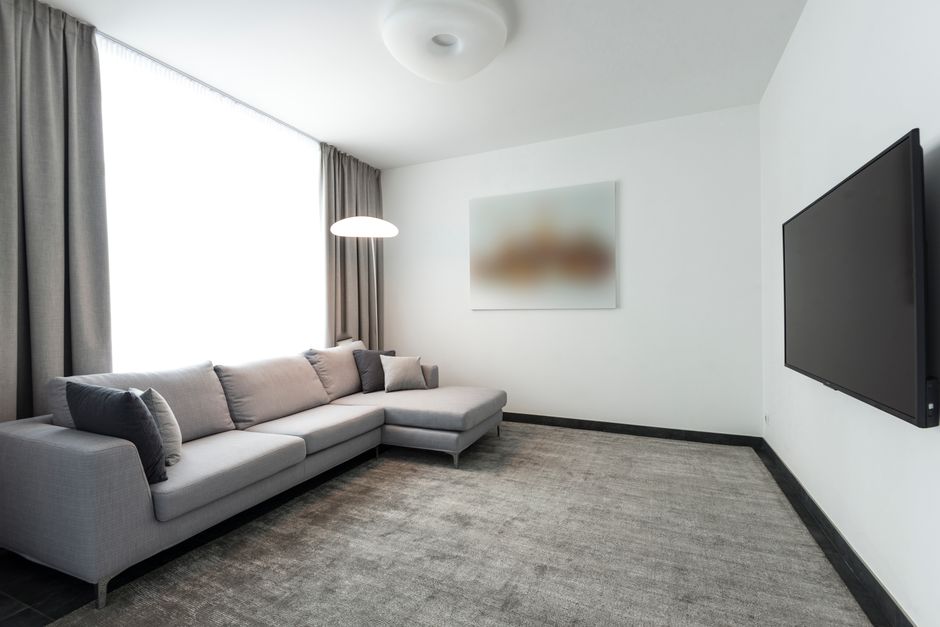
What Is Blackout Curtain Lining?
Blackout curtain lining is a layer of fabric or coating added to the back of curtains to prevent light penetration. It is typically made from dense, tightly woven materials or coated with light-blocking substances. The lining can be sewn in as a separate layer or integrated into the curtain fabric itself. The primary purpose is to block sunlight, but high-quality linings also provide thermal insulation, UV protection, and sound dampening.
___PROTECTED_1___
Types of Blackout Curtain Linings
There are several types of blackout linings, each with distinct characteristics and performance levels. Understanding these variations helps you select the best curtain lining for your application.
1. Foam-Backed Blackout Lining
Foam-backed lining consists of a layer of acrylic or polyurethane foam laminated to a base fabric, usually polyester. The foam adds thickness and density, effectively blocking light and providing good thermal insulation. This type is common in ready-made curtains and is relatively affordable. However, the foam can degrade over time with repeated washing, so care is needed.
2. Triple-Weave Blackout Lining
Triple-weave (also called 3-pass or three-thread) lining is woven with three layers of yarn: an outer decorative layer, a middle core layer (often black or dark), and an inner backing layer. The dense structure blocks light without needing a separate coating. Triple-weave linings are durable, breathable, and machine washable. They offer excellent light blockage and moderate thermal insulation.
3. Acrylic Coated Blackout Lining
In this type, a layer of acrylic or resin coating is applied to the back of the curtain fabric. The coating is typically white or off-white to reflect light. Coated linings are highly effective at blocking light and are often used in commercial settings like hotels and theaters. The coating can make fabric stiffer and less breathable, and it may crack or peel over time if not properly cared for.
4. Polyester Interlining with Blackout Coating
Some curtains feature a separate interlining layer (a mid-weight fabric between the face fabric and the lining) combined with a blackout coating on the back. This offers superior insulation and light blockage, plus added structure and draping quality. It is a premium option often found in custom curtains and high-end drapery.
5. Flocked or Sueded Blackout Lining
Flocked lining has a soft, suede-like texture on the back. It is usually made by attaching fine fibers to a base fabric, creating a velvety finish. The flocking adds weight and enhances light-blocking properties. This lining type also helps reduce sound transmission and feels luxurious. It's ideal for bedrooms and media rooms.
| Lining Type | Light Blockage | Thermal Insulation | Durability | Cost | Best For |
|---|---|---|---|---|---|
| Foam-Backed | Good | Good | Medium | Low | Budget-friendly general use |
| Triple-Weave | Excellent | Moderate | High | Medium | Bedrooms, living areas |
| Acrylic Coated | Excellent | Moderate | Medium | Medium | Commercial, hotels |
| Polyester Interlining | Excellent | High | High | High | Custom luxury curtains |
| Flocked/Sueded | Very Good | Good | Medium | Medium-High | Media rooms, bedrooms |
___PROTECTED_2___
Key Benefits of Blackout Curtain Lining
Installing curtains with blackout linings offers multiple advantages beyond just darkness. Here are the top benefits.
Complete Light Blockage
The most obvious benefit is blocking up to 99% of external light. This is essential for shift workers who sleep during the day, nurseries, home theaters, and anyone sensitive to light. High-quality blackout linings prevent light seepage through the fabric and around the edges.
Energy Efficiency and Thermal Insulation
Blackout linings act as a thermal barrier. In summer, they reflect solar heat, keeping rooms cooler; in winter, they trap indoor heat, reducing heating costs. The insulating effect can lower energy bills by up to 25%. Foam-backed and interlined blackout curtains offer the best thermal performance.
Noise Reduction
The dense materials used in blackout linings help dampen outside noise. While not soundproof, they can reduce ambient street noise, making rooms quieter. Flocked and triple-weave linings are particularly effective for sound absorption.
Enhanced Privacy
Blackout linings prevent outsiders from seeing into a room, even when lights are on inside. This is crucial for ground-floor rooms, street-facing windows, and bathrooms.
UV Protection for Furniture and Flooring
By blocking sunlight, blackout linings protect fabrics, carpets, and artwork from fading due to UV rays. This extends the life of your interior furnishings.
Improved Sleep Quality
Total darkness promotes deeper, more restful sleep by supporting natural melatonin production. Blackout curtains are recommended for individuals with insomnia, children, and shift workers.
How to Choose the Right Blackout Lining
Consider these factors when selecting blackout curtain linings:
- Light blocking level: For bedrooms, aim for 100% blackout. Triple-weave or acrylic coated linings are best. For living rooms, a 90% block may suffice.
- Insulation needs: If you live in extreme climates, choose foam-backed or interlined options.
- Fabric and drape: Thicker linings may affect how curtains hang. Triple-weave drapes well, while coated linings can be stiffer.
- Maintenance: Look for machine-washable linings (triple-weave) if easy care is important. Foam-backed and coated linings may require special cleaning.
- Application: Commercial spaces like hotels often use coated linings for reliability. Residences favor triple-weave or interlined for aesthetics.
Care and Maintenance Tips
To extend the life of your blackout curtain lining:
- Always check the manufacturer's care labels.
- Vacuum curtains regularly with a brush attachment to remove dust.
- For machine-washable linings, use a gentle cycle with cold water and mild detergent. Do not bleach.
- Avoid fabric softeners as they can degrade coatings or foam.
- Air dry or tumble dry on low heat. Remove while slightly damp to reduce wrinkles.
- For non-washable linings, spot clean with a damp cloth and mild soap.
- Steam clean occasionally to refresh fabric (check compatibility).
Blackout curtain linings are a smart investment for comfort, privacy, and energy savings. By understanding the types and benefits, you can choose the perfect solution for your space, ensuring years of reliable performance.