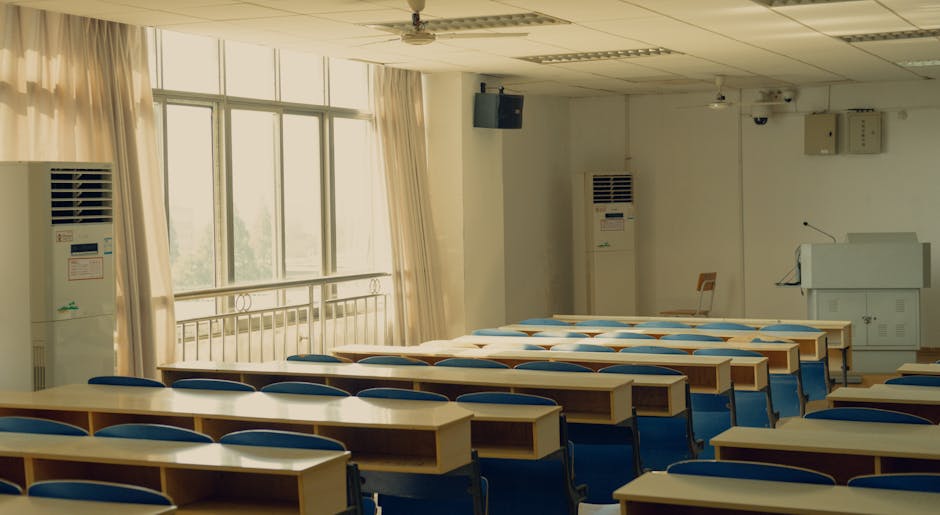
1. Reduce Classroom Noise Distractions
In a typical classroom, noise from hallways, adjacent rooms, or outdoor traffic can severely disrupt learning. Acoustic curtains act as a sound barrier, absorbing up to 80% of ambient noise. This helps students focus better and improves overall academic performance. Unlike standard drapes, acoustic curtains are made of dense, multi-layered fabrics that block and dampen sound waves.
For example, a study by the University of Salford found that reducing classroom noise by just 5 decibels increased test scores by 10%. By installing acoustic curtains on windows and along walls, schools can create a quieter, more productive learning environment. They also complement other soundproofing measures like ceiling tiles and carpets.
___PROTECTED_1___
2. Enhance Auditorium and Assembly Hall Acoustics
School auditoriums and assembly halls often suffer from echo and reverberation, making speeches and performances unclear. Acoustic curtains can be used as stage drapes or wall panels to absorb excess sound. This improves speech intelligibility and ensures that every word is heard clearly by the audience.
For instance, a high school theater installed blackout-acoustic curtains on the side walls and noticed a 40% reduction in echo. The curtains also double as light blockers, making them ideal for film screenings or dramatic performances. They are available in various colors to match the school’s branding while maintaining functional acoustic properties.
___PROTECTED_2___
3. Create Quiet Zones in Libraries and Study Areas
Libraries and study rooms require minimal noise to support concentration. Acoustic curtains can be hung on windows or as room dividers to isolate these zones from louder areas like cafeterias or gyms. The fabric’s sound-absorbing properties keep the space calm and conducive to reading or research.
An effective approach is to use sheer or velvet acoustic curtains depending on the desired aesthetic. Sheer curtains offer a softer look while still reducing noise, while velvet adds a luxurious feel and higher sound absorption. For maximum effect, combine curtains with bookshelves or upholstered furniture to further dampen sound.
4. Improve Music and Band Room Sound Quality
Music rooms need controlled acoustics to prevent sound from bleeding into other classes and to allow students to hear their instruments clearly. Acoustic curtains can be used to line walls and windows, absorbing excess reverberation and preventing harsh reflections. This creates a balanced sound environment for practice and instruction.
For example, a school’s band room installed heavy acoustic curtains along one wall and reported a notable improvement in sound clarity. The curtains also help to reduce noise transfer to nearby classrooms, making them a cost-effective solution compared to full acoustic paneling. They are easy to install and can be removed or adjusted as needed.
5. Minimize Noise in Open-Plan Learning Spaces
Many modern schools use open-plan layouts to encourage collaboration, but these spaces often suffer from high noise levels. Acoustic curtains can be used as movable partitions to section off areas during focused work times. This flexibility allows teachers to adapt the room to different activities without permanent construction.
Installing track-mounted acoustic curtains across room dividers can reduce noise by up to 60% when closed. They can be drawn back to open the space for group activities. The curtains also add visual warmth and can be chosen in colors that promote calmness, such as soft blues or greens. This solution is particularly popular in new school designs.
6. Block External Noise from Traffic and Playgrounds
Schools located near busy roads or playgrounds often contend with external noise penetrating classrooms. Heavy-duty acoustic curtains with a high Sound Transmission Class (STC) rating can significantly reduce this intrusion. When combined with double-glazed windows, they can create a nearly silent interior environment.
For instance, a school near a highway installed blackout acoustic curtains in all ground-floor classrooms and reported a drop of 15 decibels in external noise. The curtains also provide thermal insulation, helping to reduce heating and cooling costs. They are durable and easy to clean, making them a long-term investment for noise control.
7. Comply with Building Acoustic Regulations
Many regions have building codes that require specific noise levels in educational settings, such as STC 50 for walls between classrooms. Acoustic curtains can help meet these standards, especially in older buildings where retrofitting is not feasible. They are an affordable way to bring a school up to code without major renovations.
By using a combination of acoustic curtains and other soundproofing, schools can achieve compliance while staying within budget. Curtains are also fire-retardant and meet safety standards required for public buildings. They come in a range of materials (velvet, blackout, sheer) to suit different needs. Always check the STC rating and installation guide before purchasing.
In conclusion, acoustic curtains offer a versatile, cost-effective solution for noise control in schools. Whether you need to reduce classroom distractions, enhance auditorium sound, or create quiet study zones, these curtains deliver measurable results. Consider consulting with an acoustic specialist to choose the right fabric and installation method for your school’s unique needs.