When it comes to managing sound in interiors, acoustic curtain fabrics are a go-to solution for reducing echo, improving speech clarity, and creating a more comfortable environment. But not all fabrics perform equally. This complete comparison explores the main types of acoustic curtain fabrics—velvet, blackout, sheer, and specialized acoustic materials—highlighting their noise reduction properties, aesthetic appeal, and best-use scenarios. Whether you are furnishing a home theater, an open-plan office, or a music studio, understanding these differences will help you make an informed choice.
What Are Acoustic Curtain Fabrics?
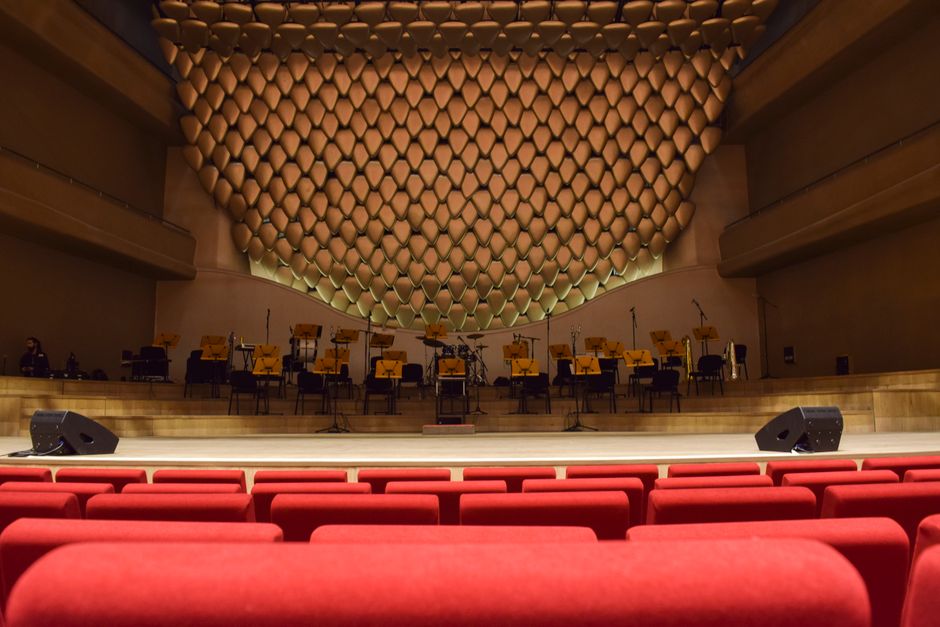
Acoustic curtain fabrics are specifically engineered to absorb sound waves, reducing reverberation and background noise. Unlike standard drapery, they rely on density, mass, and fibrous structure to dampen sound. Many are made from heavy materials like velvet or multi-layer blackout fabrics, while others use specialized weaves or felted synthetics. The key metric is the Noise Reduction Coefficient (NRC), which measures how much sound a material absorbs. A higher NRC (0.60 or above) indicates better acoustic performance.
___PROTECTED_1___
Key Factors in Acoustic Fabric Performance
Before diving into fabric types, it’s important to understand the variables that affect sound absorption:
- Weight and density: Heavier fabrics (often over 300 g/m²) absorb more mid- and low-frequency sound.
- Thickness and weave: Looser weaves with more air pockets trap sound waves better than tight, glossy weaves.
- Pleating and layering: Double-layer curtains or triple-pleat headers increase the fabric volume, enhancing absorption.
- Fiber type: Natural fibers like cotton and wool offer good absorption, but synthetics like polyester can be engineered for higher NRC.
- Mounting distance: Curtains hung away from the wall or window allow sound to pass through and be absorbed from both sides.
___PROTECTED_2___
Comparison of Acoustic Curtain Fabric Types
Below is a detailed look at the most common acoustic fabric categories. Each has unique strengths and limitations.
Velvet Acoustic Curtains
Velvet is a classic choice for both luxury and sound control. Its dense pile and heavy weight (typically 400–600 g/m²) give it excellent sound absorption, especially for mid-range frequencies. Velvet’s soft texture also helps diffuse reflected sound. However, it can be more expensive and prone to dust accumulation. Best used in home theaters, recording rooms, and high-end hotel suites where aesthetics and acoustics matter equally.
Blackout Acoustic Curtains
Blackout fabrics are designed to block light, but many also offer significant noise reduction due to their multi-layer construction. A typical blackout acoustic curtain has a dense face fabric, a thick interlining (often with a foam or felt core), and a backing layer. This combination adds mass and creates air pockets that absorb sound. NRC values for premium blackout acoustic curtains can reach 0.50–0.70. They are ideal for bedrooms, conference rooms, and media centers where darkness and quiet are required.
Sheer Acoustic Curtains
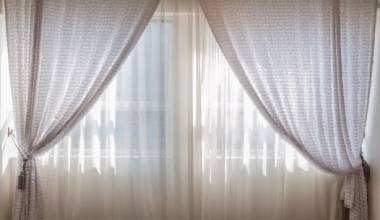
Sheer fabrics are lightweight and translucent, making them poor absorbers on their own. However, when layered with heavier curtains or used as a double-layer system, sheer fabrics can contribute to sound diffusion and reduce high-frequency reflections. Specialized acoustic sheers are available with a tighter weave or added fibers, but their NRC rarely exceeds 0.30. They work best in large public spaces like hotel lobbies where some noise control is needed without sacrificing natural light.
Specialized Acoustic Curtain Fabrics (Felt/PET)
Modern acoustic curtains often use recycled polyester felt or needled nonwoven fabrics engineered specifically for sound absorption. These materials can achieve NRC values of 0.80 or higher. They come in various weights, colors, and textures, and many are fire-retardant. While not as luxurious as velvet, they offer the best performance-to-cost ratio for commercial applications such as open-plan offices, call centers, and classrooms. Some brands offer panels with integrated acoustic backing for even higher absorption.
| Fabric Type | Typical NRC | Best Use Cases | Aesthetic | Price Range |
|---|---|---|---|---|
| Velvet | 0.50 – 0.70 | Home theaters, recording studios, luxury settings | Luxurious, soft | $$$ |
| Blackout (acoustic grade) | 0.45 – 0.65 | Bedrooms, conference rooms, media rooms | Opaque, sleek | $$ |
| Sheer (standard) | 0.10 – 0.30 | Lobbies, restaurants (layered) | Light, airy | $ |
| Acoustic felt/PET | 0.70 – 0.85 | Offices, coworking spaces, schools | Modern, matte | $$ |
Acoustic Curtains vs. Standard Curtains
Standard curtains are often too lightweight to absorb meaningful sound. A typical cotton or polyester sheen drape might have an NRC of 0.10–0.20. In contrast, dedicated acoustic curtain fabrics can absorb up to 85% of incident sound. For noticeable noise reduction, you need a fabric specifically designed for acoustics, often with a minimum NRC of 0.50. Standard curtains can help with heat insulation and light control but will not deliver the same acoustic performance.
How to Choose the Right Acoustic Fabric for Your Space
Selecting the best acoustic curtain fabric involves matching the fabric properties to your specific noise problem:
- Identify the noise source: For outside traffic noise (low-frequency rumble), choose heavy velvet or multi-layer blackout. For echo inside a room (mid/high frequencies), felt or acoustic PET works well.
- Consider the room function: Home theaters benefit from dark, heavy velvet. Open-plan offices need high-absorption panels with fire safety ratings. Hospitality spaces might blend sheers with acoustic backings for a softer look.
- Check fire codes: Many commercial spaces require certified fire-retardant fabrics. Look for NFPA 701 or BS 5867 standards.
- Decide on layering: Combining a sheer front with a blackout or acoustic lining can achieve both aesthetics and high NRC.
Installation and Care Tips for Acoustic Curtains
To maximize sound absorption, proper installation is critical:
- Mount away from the wall: Leave at least 10–15 cm (4–6 inches) between the curtain and the wall to allow sound to hit both sides of the fabric.
- Floor-to-ceiling coverage: Extend curtains from ceiling to floor and wider than the window to prevent sound leakage.
- Use heavy-duty tracks: Acoustic fabrics are heavy; ensure your track or rod can support the weight.
- Regular dusting: Use a vacuum with a brush attachment to avoid dust buildup that can reduce fabric porosity and NRC.
- Professional cleaning: Many acoustic fabrics are dry-clean only. Check the manufacturer’s instructions to maintain fire retardancy and shape.
Conclusion
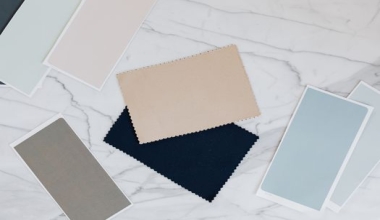
Choosing the right acoustic curtain fabric comes down to balancing performance, aesthetics, and budget. Velvet offers luxury and good absorption; blackout fabrics are versatile for light and sound; sheers provide a lightweight option when layered; and specialized acoustic felts deliver the highest NRC for commercial use. Always verify the NRC rating and request samples to test in your environment. With the right fabric, you can transform a noisy, echoing space into a calm, productive sanctuary.
Ready to improve your room’s acoustics? Contact our team for free fabric swatches and a personalized recommendation based on your space dimensions and noise control needs.