Sheer curtains are a cornerstone of light, airy interiors, but their full potential is unlocked with the right curtain rod. The rod isn't just a functional support—it's a design element that frames your windows and ties your decor together. In this comprehensive guide, we explore sheer curtain rod ideas that complement any decor, from minimalist to maximalist. We'll cover materials, styles, hardware, and installation tips to help you make an informed choice that elevates your space.
1. Matching Rods to Your Decor Style
Your curtain rod should harmonize with your room's overall aesthetic. Here's how to pair rods with popular decor styles:
Modern and Contemporary
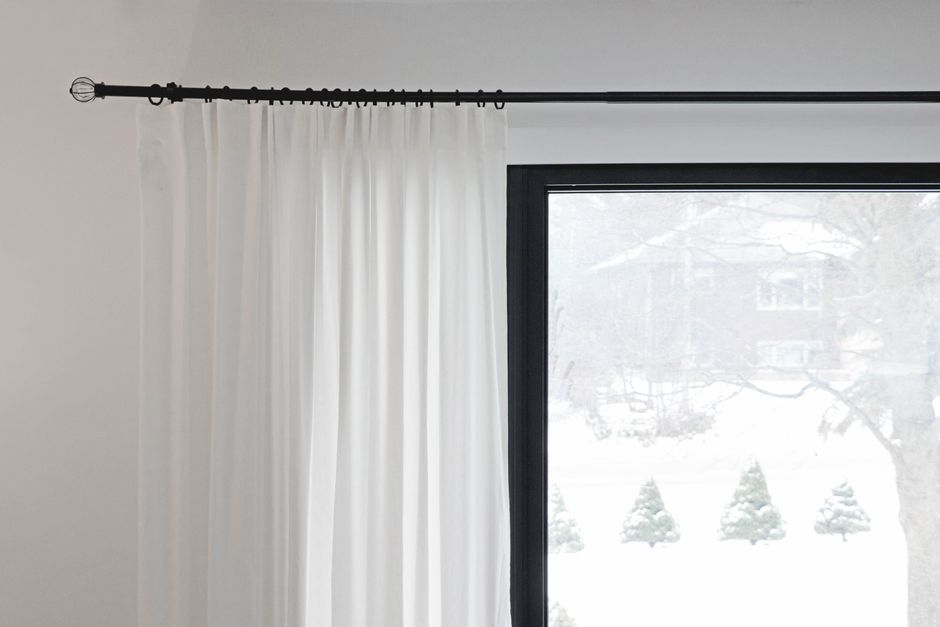
Clean lines and simplicity define modern decor. Opt for slim, sleek rods in brushed nickel, matte black, or stainless steel. Avoid ornate finials—go for simple spheres or flat caps. A straight, unadorned rod allows the sheer fabric to take center stage.
Traditional and Classic
Traditional spaces call for elegant details. Choose wooden rods with decorative finials (e.g., ball, spear, or floral shapes) in rich mahogany, walnut, or antique brass. Ornate brackets and rings with a slight curve add a timeless feel. Layering sheers with heavier drapes? A double rod with traditional finials works beautifully.
Bohemian and Eclectic
Boho style thrives on texture and personality. Go for wooden rods with a natural or distressed finish, or even dip-dyed designs. Mix materials—like a bamboo rod with macrame rings. Finials can be playful: tassel-shaped, ceramic, or handmade. Don't be afraid to use unconventional objects as rods, such as copper pipes or driftwood (with proper mounting).
Minimalist and Scandinavian
Less is more. White or light wood rods that blend with the wall are ideal. Avoid contrasting brackets; use hidden hardware or decorative screws. Tension rods inside window frames are a popular choice for a seamless look. Let the sheer curtain's softness be the focal point.
Industrial and Loft
Exposed hardware is key. Use black iron pipes as rods, paired with flanges and elbows for a factory-inspired look. Flange brackets mounted on the ceiling or wall add an edgy touch. Keep finials simple—perhaps a galvanized cap or an exposed pipe end.
___PROTECTED_1___
2. Material Matters: Wood, Metal, or Plastic?
The rod material affects both aesthetics and functionality. Below is a comparison:
| Material | Best For | Pros | Cons |
|---|---|---|---|
| Wood | Traditional, rustic, warm decor | Sturdy, classic look, can be painted or stained | Heavier, may warp in humidity, more expensive |
| Metal (steel, aluminum, brass) | Modern, industrial, minimalist | Durable, sleek, many finishes, lightweight options | Can feel cold, some finishes may chip |
| Plastic or resin | Budget-friendly, temporary or kids' rooms | Inexpensive, lightweight, easy to install | Less sturdy, can look cheap, may bend |
For sheer curtains, which are lightweight, any material works structurally. However, heavier fabrics like velvet might require sturdier wood or metal. Consider the rod's diameter (typically 1 to 2 inches) in proportion to the window size.
___PROTECTED_2___
3. Rod Thickness and Curtain Weight: Finding the Right Balance
Sheer curtains are light, so thicker rods (1.5–2 inches) can look overwhelming unless your decor calls for drama. A standard 1-inch metal rod is often sufficient and visually balanced. For long or wide windows, a thicker rod prevents sagging and creates a bolder statement. If using multiple layers (sheer + blackout), a double rod set usually features a front rod for the sheer (often slimmer) and a back rod for the heavy curtain.
4. Curtain Rod Hardware: Finials, Brackets, and Rings
Hardware details can make or break the look.
Finials
Finials add personality. Popular options include:
- Ball or sphere – Modern and understated.
- Spear or arrow – Traditional, elongates the rod.
- Fluted or urn – Elegant for classic rooms.
- Geometric (cube, hexagon) – Contemporary edge.
- Decorative (stars, animals) – Fun for themed spaces.
Brackets
Brackets support the rod. Choose from standard (screwed into wall), ceiling-mount, or corner brackets. For a floating look, use brackets that sit behind the rod. Ensure brackets are strong enough if extending beyond 12 inches.
Rings and Clips
Sheer curtains often use rings with clips to attach to the rod. This allows easy sliding and creates soft gathers. Consider ring colors that match the rod or contrast subtly. For a more tailored look, use rod pocket curtains without rings.
5. Double Rod Systems for Layering Sheer and Blackout Curtains
One of the most popular applications for sheer curtains is layering with blackout or velvet curtains. A double rod set allows you to close heavy curtains at night while keeping sheers for daytime privacy. Look for double rods with adjustable spacing (typically 4–6 inches apart) to prevent fabric tangling. Some systems come with a single bracket that holds two rods, simplifying installation. For a clean look, choose a unified finish for both rods.
6. Innovative Rod Styles: Tension Rods, Traverse Rods, and Ceiling-Mount
Tension Rods
These rods expand to fit inside a window frame, requiring no drilling. Perfect for renters or temporary setups. They work best with lightweight sheers. However, they may not hold heavy fabrics well and can slip over time.
Traverse Rods
Traverse rods have cords or gliders to open/close curtains with a pull. They are excellent for large windows or sliding doors where you want smooth operation. Some traverse rods are curved to fit bay windows. They are more expensive but offer functionality for sheers used daily.
Ceiling-Mount Rods
Mounting the rod on the ceiling rather than the wall creates the illusion of height and makes ceilings appear taller. It also suits modern/contemporary rooms. Use brackets designed for ceiling installation, and ensure curtains are long enough to reach the floor. This style works well with floor-to-ceiling sheers.
7. Installation Tips for a Professional Look
Follow these steps for a polished result:
- Measure twice: The rod should extend 6–12 inches beyond each side of the window to allow curtains to stack back and let in maximum light.
- Height matters: Position the rod 4–6 inches above the window frame, or near the ceiling for a dramatic effect.
- Use a level: Ensure the rod is perfectly horizontal.
- Anchor brackets into studs: For heavy layers, use wall anchors if no stud is available.
- Add finishing touches: Ensure rings slide smoothly; use end caps to secure the curtain from slipping off.
8. Budget-Friendly Sheer Curtain Rod Ideas
You don't need to spend a fortune to get a stylish rod. Try these cost-effective options:
- Reset your existing rod: Paint or spray-coat an old wooden rod with a matte black or gold finish.
- DIY copper or PVC pipe: Cut pipes to size, add end caps, and mount with flanges. Clean modern look at low cost.
- Tension rods inside the frame: Inexpensive and no drilling.
- Simple metal rods from big-box stores: Often under $20 for a standard 48-inch rod.
- Reuse curtain rings: Buy rods alone and reuse rings from previous curtains.
Conclusion
Choosing the right sheer curtain rod is an opportunity to enhance your decor while ensuring functionality. Whether you prefer the understated elegance of a slim metal rod, the warmth of wood, or the edgy vibe of industrial pipe, there's an option for every style and budget. Pair your sheers with complementary rods, consider layering with blackout curtains for versatility, and install with care for a professional finish. Transform your windows today—browse our selection of rods and hardware to find the perfect match for your home.