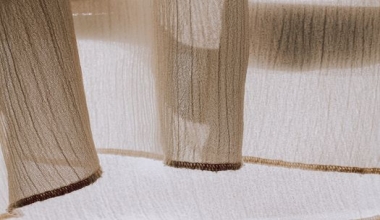
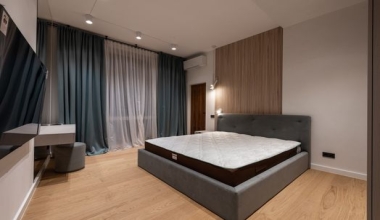
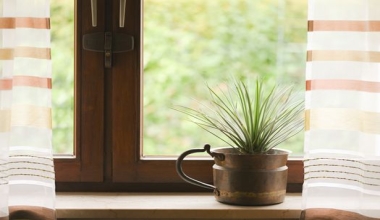
Sheer curtain fabrics are a cornerstone of modern interior design, offering a delicate balance between privacy and natural light. Unlike heavy drapes, sheers allow sunlight to filter through while softening harsh glare. This guide explores the most common sheer fabric types and their creative applications beyond traditional window treatments.
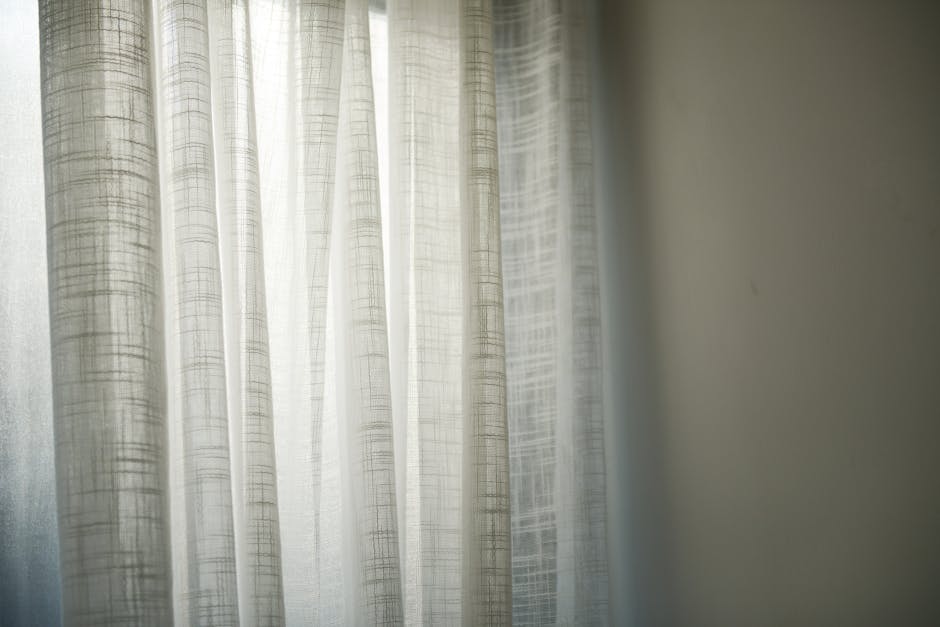
What are Sheer Curtain Fabrics?
Sheer fabrics are lightweight, translucent textiles with an open weave or fine threads. They typically have a thread count of 200-400 per inch, allowing 30-70% light transmission. The result is an airy, ethereal look that adds softness to any room. Sheers are made from natural fibers like cotton and linen or synthetics such as polyester and nylon.
___PROTECTED_1___
Common Types of Sheer Curtain Fabrics
Understanding the differences between sheer materials helps you select the right fabric for your needs. Below is a comparison of popular options:
| Fabric Type | Material | Light Transmission | Best Use |
|---|---|---|---|
| Voile | Cotton or polyester | ~70% | Everyday window treatments, layering |
| Organza | Silk or nylon | ~60% | Formal settings, event decor |
| Lace | Cotton, polyester, or nylon | ~50% | Vintage or romantic interiors |
| Chiffon | Silk or polyester | ~65% | Flowing drapery, canopies |
| Linen Sheer | Linen or linen blend | ~55% | Natural, textured look |
| Polyester Sheer | 100% polyester | ~70% | Budget-friendly, easy care |
Voile
Voile (French for "veil") is a crisp, semi-transparent fabric made from cotton or polyester. It's the most popular choice for sheer curtains due to its durability and soft drape. Voile works well in living rooms and bedrooms where you want diffused light without complete transparency.
Organza
Organza is a stiffer, more formal sheer fabric woven from silk or synthetic fibers. Its slight sheen and body make it ideal for elegant events, wedding arches, or statement window treatments. Organza holds pleats and shapes beautifully.
Lace
Lace sheers feature intricate patterns created by openwork designs. They offer a romantic, vintage aesthetic and provide moderate privacy. Lace curtains are perfect for adding texture to a room without blocking light entirely.
Chiffon
Chiffon is a lightweight, flowing fabric with a soft, slightly crinkled texture. Its fluid drape makes it ideal for canopy beds, layered drapery, or outdoor event backdrops. Silk chiffon is luxurious, while polyester chiffon is more affordable and easier to maintain.
Linen Sheer
Linen sheers have a natural, slightly uneven texture that adds warmth to a space. They filter light beautifully and are an excellent choice for eco-conscious homeowners. Linen wrinkles easily, so expect a relaxed, lived-in look.
Polyester Sheer
Polyester sheers are the most common in the mass market. They are wrinkle-resistant, fade-resistant, and budget-friendly. While they lack the luxury of natural fibers, they offer consistent performance and easy cleaning.
___PROTECTED_2___
Key Properties of Sheer Fabrics
- Light transmission: Sheers allow 30-70% of light to pass through, reducing glare while maintaining brightness.
- Privacy: During daylight, sheers provide one-way visibility (outside cannot see in, but at night they offer limited privacy).
- UV protection: Most sheers block 70-90% of UV rays, protecting furniture and flooring from fading.
- Airflow: The open weave permits air circulation, making rooms feel fresher.
- Aesthetic: Sheers add softness, depth, and a sense of spaciousness to interiors.
Creative Uses for Sheer Curtains
Sheer curtains are incredibly versatile. Beyond standard window hangings, consider these innovative applications:
1. Layering with Blackout Curtains
Combine sheers with heavier blackout drapes for the ultimate window treatment. Mount a sheer layer closest to the glass for daytime privacy and light diffusion, then add blackout panels on top for room darkening at night. This layered approach gives you full control over light and privacy.
2. Room Dividers
Use ceiling-mounted sheer panels to divide a large room into zones without blocking light. This works beautifully in studio apartments, open-plan living areas, or shared bedrooms. The translucency maintains visual flow while defining spaces.
3. Canopy Beds
Drape chiffon or voile from a ceiling ring or canopy frame to create a dreamy, romantic bed canopy. The soft fabric surrounds the bed in a cocoon of light, enhancing relaxation.
4. Wedding and Event Decor
Organza and chiffon are staples for wedding arches, aisle runners, and backdrop curtains. Their lightness makes them easy to install with Velcro or drape clips, and they create stunning photo opportunities.
5. Photography Backdrops
Sheer fabrics produce a soft, diffused background for portrait photography. Hang a single panel of white voile or silk organza to create a clean, professional look.
6. Outdoor Spaces
Use weather-resistant polyester sheers on patios, pergolas, or gazebos to filter harsh sunlight and create a breezy, private outdoor room. Ensure the fabric is UV-stabilized to prevent fading.
7. Closet Doors and Wardrobes
Replace solid closet doors with sheer curtains for a soft, feminine touch. This works especially well in dressing rooms or retail spaces, adding elegance while keeping clothes visible.
8. Shower Curtains
Polyester sheers can serve as a lightweight shower curtain liner for a spa-like feel. They dry quickly and resist mildew when properly ventilated.
Practical Tips for Choosing and Caring for Sheer Curtains
Buying Guide
- Measure precisely: Sheers look best when they pool slightly on the floor (add 2-4 inches to the drop). For width, multiply the rod length by 2-3 times for fullness.
- Consider the room's function: For living rooms, choose voile or linen for a casual look. For dining rooms, opt for organza for a polished appearance.
- Check light blocking needs: If you need moderate privacy at night, choose a tighter weave like linen or layered sheers.
- Fabric weight: Heavier sheers (like linen) drape better but may require stronger rods. Lightweight sheers (chiffon) are easier to install.
- Color and pattern: White and ivory are classic, but soft pastels or subtle stripes add personality. Avoid dark patterns that defeat the sheer effect.
Care Tips
- Regular dusting: Use a handheld vacuum with a brush attachment or a lint roller to remove dust every few weeks.
- Washing: Most polyester and cotton sheers are machine washable on a gentle cycle with cold water. Silk and linen should be dry cleaned or hand washed.
- Drying: Air dry is best to prevent shrinkage. If using a dryer, choose low heat and remove while slightly damp to reduce wrinkles.
- Ironing: Use a low-heat setting for cotton and polyester. For silk, use a pressing cloth or steam only. Avoid high heat on synthetic blends.
- Avoid bleach: Bleach weakens fibers and causes yellowing. Use mild detergent instead.
- Sunlight exposure: Even sheer fabrics can fade over time. Rotate panels occasionally to ensure even wear.
Conclusion
Sheer curtain fabrics are an essential tool for any interior designer or homeowner. From classic voile to luxurious organza, each type offers unique benefits for light control, privacy, and aesthetics. Their creative uses extend far beyond windows—room dividers, canopies, event decor, and more. By understanding the properties and care requirements of each fabric, you can make informed choices that enhance your space for years to come. Experiment with layering, colors, and installations to discover the full potential of sheers in your home or project.